Best Red Light Therapy Devices
A research-backed guide to the best red light therapy devices of 2025, from LED face masks to full-body pads, ranked by efficacy and value.

Red light therapy — technically called photobiomodulation — has moved well past the wellness fringe. Wavelengths in the 630–850nm range have a growing body of peer-reviewed research behind them, supporting benefits from collagen stimulation and skin tone improvement to localized pain relief and muscle recovery. The category now spans everything from wearable LED face masks to flexible full-body pads, and the quality gap between budget and premium options is significant. We researched and evaluated dozens of devices across manufacturer specifications, verified owner reviews, and published clinical context to bring you this ranked guide to the best options available right now.
| Rank | Product | Rating | Best For |
|---|---|---|---|
| 1 | HigherDOSE Red Light Face Mask | 9.3 | Best Overall |
| 2 | JOVS 4D Laser Therapy Mask | 8.7 | Best for Multi-Wavelength Treatment |
| 3 | NuShape Red Light Therapy Mask | 8.1 | Best Value Face Mask |
| 4 | Novaa Light Pad | 8.4 | Best for Body Recovery |
| 5 | RedLightPro Medium Pad | 7.6 | — |
What We Liked
What Could Be Better
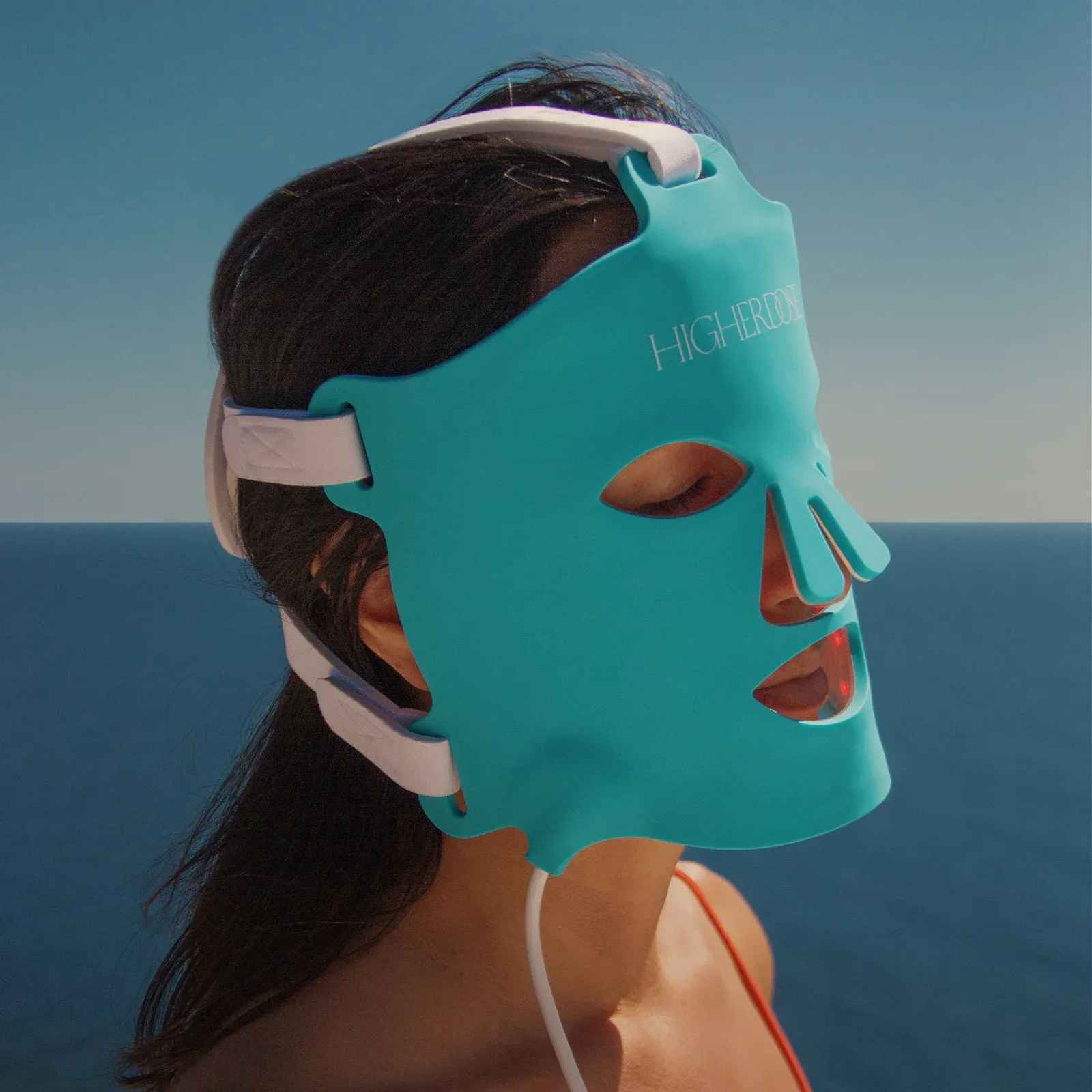
The HigherDOSE Red Light Face Mask is the standout pick for anyone serious about at-home facial red light therapy. It delivers dual wavelengths in a wearable format, and according to verified owner feedback, users report noticeable improvements in skin tone and texture with consistent use over 4–8 weeks. The price is real, but so is the product quality.
JOVS 4D Laser Therapy Mask
What We Liked
What Could Be Better
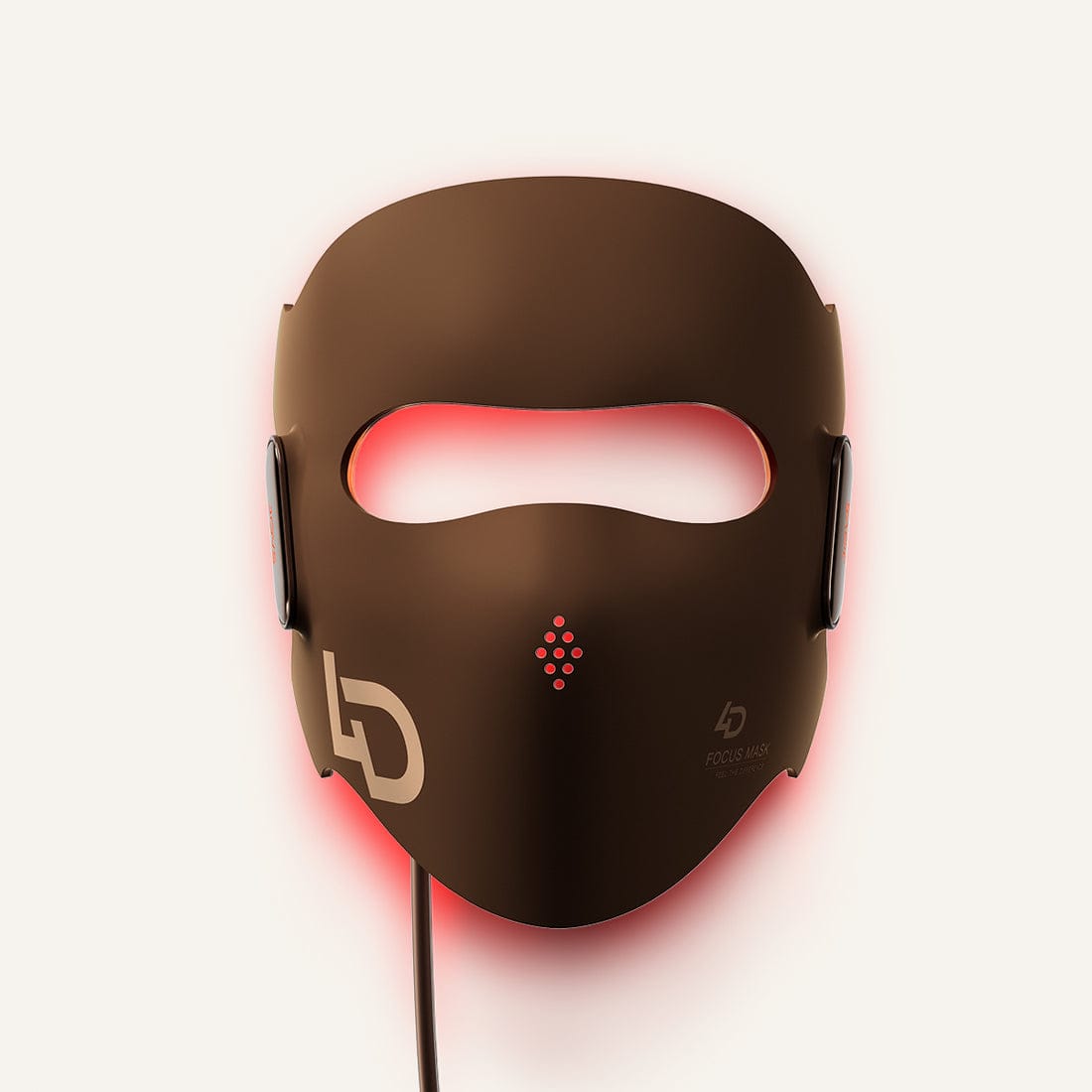
The JOVS 4D mask is a strong runner-up that punches above its price. Its multi-mode approach is well-suited to users who want to address more than one skin concern — think fine lines alongside uneven tone. Based on owner reviews, the fit and finish feel premium, and the variety of treatment modes gives it staying power as a daily-use device.
NuShape Red Light Therapy Mask
What We Liked
What Could Be Better
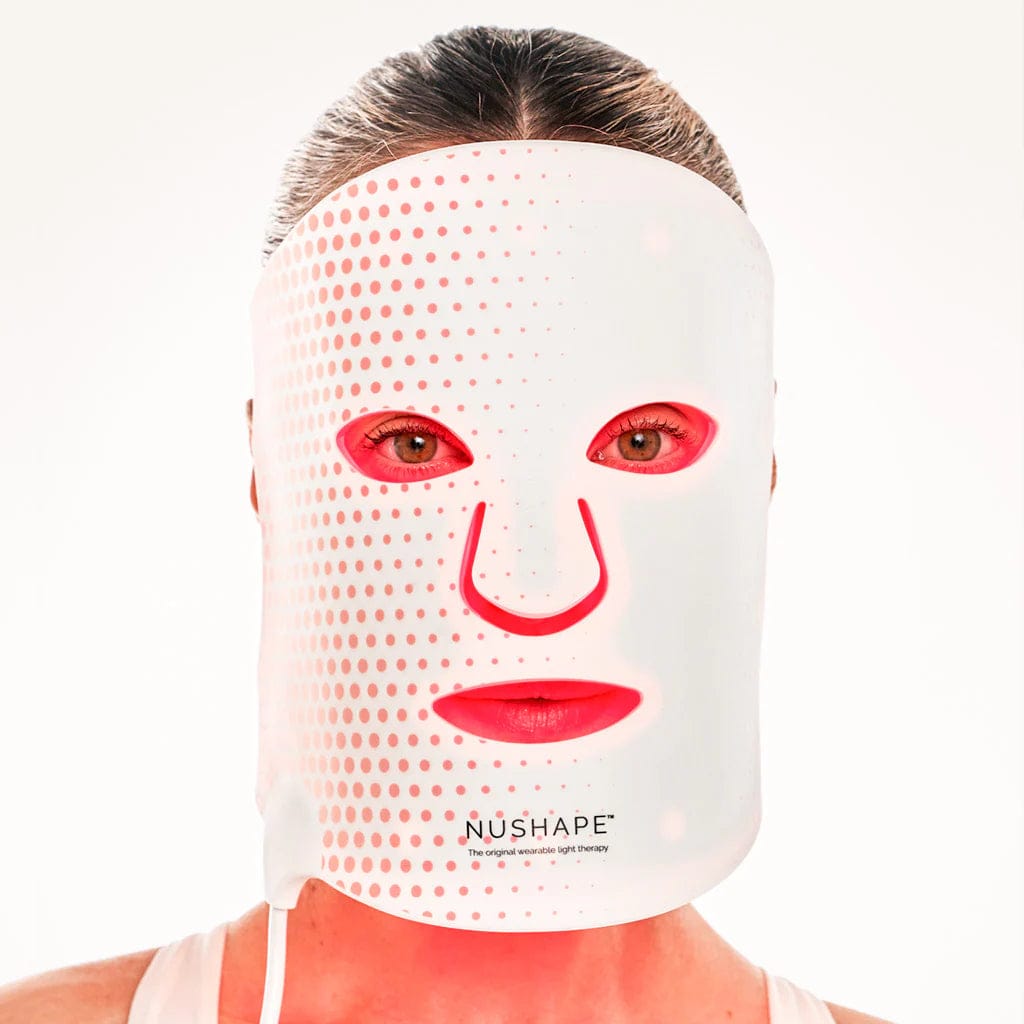
NuShape's mask is the most approachable entry point in this roundup for users who want to try red light therapy without committing to a $300+ device. It covers the core wavelengths that matter most for skin health, and verified reviews suggest solid satisfaction for users with realistic expectations. It's not the most feature-rich option, but it delivers meaningful value at its price.
What We Liked
What Could Be Better
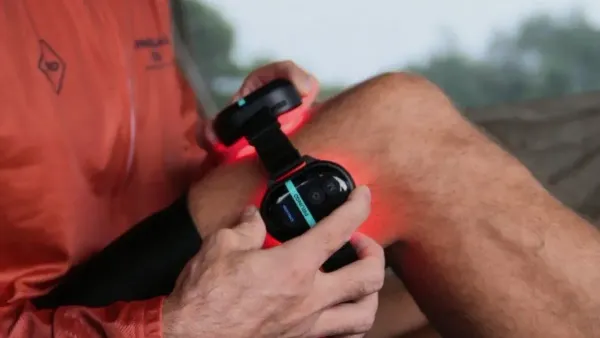
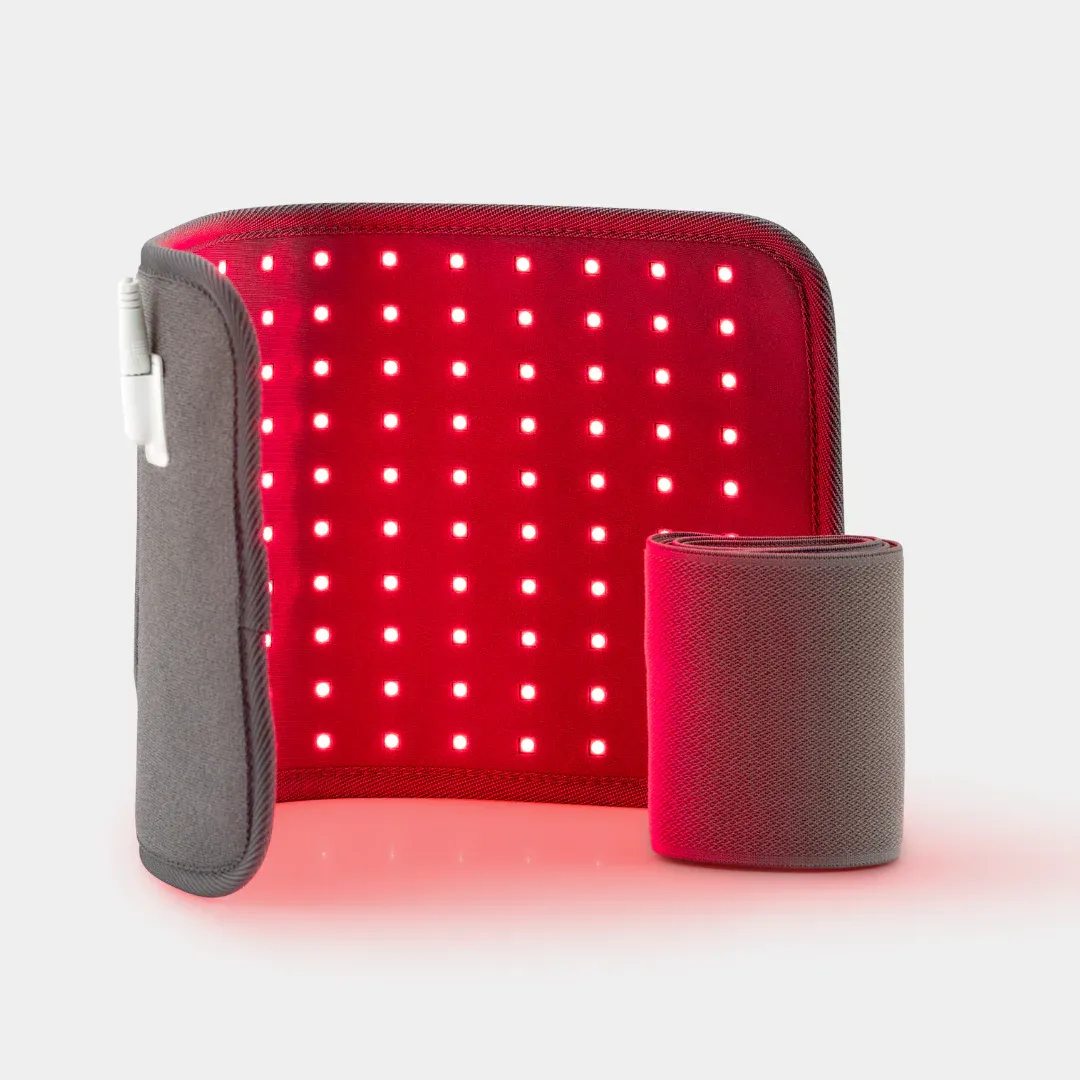
The Novaa Light Pad fills a gap the face masks can't — body-level red light therapy for joints, muscles, and soft tissue. If your primary interest is recovery, arthritis support, or localized pain management rather than facial skin improvement, this is the most purposeful pick in the roundup. Owner feedback consistently highlights its effectiveness for knee and back applications.
What We Liked
What Could Be Better
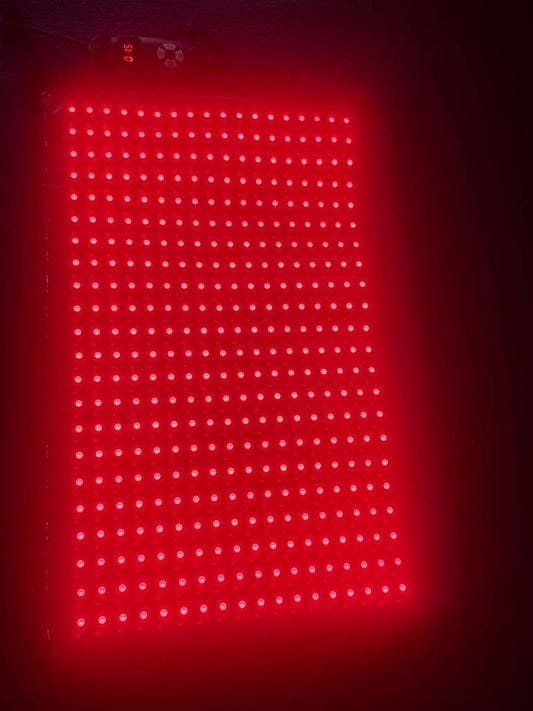
The RedLightPro Medium Pad is a high-LED-count panel at a price that undercuts most of its competitors. It's a practical choice for users who want broad coverage for body-level therapy and don't need portability or smart features. Based on available owner feedback, output and build quality hold up well for the price, though the brand's shorter track record is worth noting.
How to Choose the Best Red Light Therapy Device
Wavelength Range
This is the single most important spec to evaluate. Red wavelengths (620–660nm) work primarily at the skin surface — collagen production, tone, texture. Near-infrared (810–850nm) penetrates deeper into muscle and joint tissue. If your goal is purely facial skin improvement, a red-dominant mask like the HigherDOSE is sufficient. If you want recovery or pain benefits, you need a device that includes 850nm NIR — the Novaa Light Pad and RedLightPro Pad both qualify.
Device Format: Mask vs. Pad
Face masks are optimized for consistent, hands-free facial coverage — they're the right call if skin health is your primary goal. Pads and panels are better for body applications: joints, back, limbs. Don't buy a face mask expecting it to double as a recovery tool for your knee. The two formats serve genuinely different purposes, and buying the wrong format is the most common mistake in this category.
Irradiance and LED Count
Irradiance — measured in mW/cm² — tells you how much light energy actually reaches your tissue per session. Higher irradiance means shorter sessions for equivalent dosing. Brands don't always publish this figure, which is itself a red flag. LED count matters less than irradiance, but for panel-style devices like the RedLightPro Pad, a higher LED count across a large surface area is a reasonable proxy for coverage quality.
Session Consistency and Wearability
The research on red light therapy is clear on one point: consistency matters more than intensity. A device you'll actually use daily for 10 minutes beats a more powerful device you use twice a week. Hands-free wearable masks like the HigherDOSE and JOVS score high here because they remove friction from the routine. Corded pads require more deliberate setup, which can erode daily compliance over time.
Brand Transparency
Look for brands that publish specific wavelength outputs, irradiance values, and LED specs — not just marketing language. 'Laser' in a product name almost always refers to LEDs, not actual laser diodes. HigherDOSE and NovaaLab are among the more transparent in this roundup about what their devices actually emit. Vague claims about 'advanced light technology' without numbers are a signal to dig deeper before buying.
If you're committed to a daily facial skin routine and want the most researched wavelength combination in a hands-free wearable, the HigherDOSE Red Light Face Mask at $349 is worth the premium. Users who want both facial and body coverage might consider pairing a mid-tier mask with the Novaa Light Pad rather than overspending on a single device.
First-time red light therapy users who aren't sure they'll maintain a consistent routine should start with the NuShape mask at $199 — it covers the core wavelengths without overcommitting financially. For body therapy on a budget, the RedLightPro Medium Pad delivers a high LED count at $179, making it a reasonable entry point before upgrading to a more established brand.
How we ranked these
Rankings were determined by cross-referencing manufacturer-published specifications (wavelength output, LED count, irradiance where disclosed), verified owner reviews across major retail platforms, enthusiast community feedback from red light therapy forums, and published clinical research on photobiomodulation wavelength efficacy. We evaluated each device against its stated use case — face masks were assessed primarily on skin benefit potential, pads on body recovery application. No hands-on testing was conducted; conclusions are based on documented specifications and aggregated owner experience.
Common questions
- How long does it take to see results from red light therapy?
- Most users report visible skin improvements — texture, tone, fine lines — after 4–8 weeks of consistent daily use. Recovery and pain applications tend to show faster feedback, sometimes within days of regular sessions. The HigherDOSE mask's owner reviews frequently reference the 4–6 week mark as when changes become noticeable.
- Is red light therapy safe for daily use at home?
- For the wavelengths used in consumer devices (630–850nm), daily use at manufacturer-recommended session lengths is generally considered safe. These devices are non-thermal at standard irradiance levels, meaning they don't heat tissue enough to cause damage. Eye protection is worth taking seriously — the HigherDOSE mask has built-in eye shielding, while pad users should use goggles or keep eyes closed.
- What's the difference between red light therapy and near-infrared therapy?
- Red light (620–660nm) works primarily at the skin surface, stimulating collagen and improving cellular function in the epidermis and dermis. Near-infrared (810–850nm) penetrates deeper — into muscle, joint, and connective tissue — making it more relevant for recovery and pain applications. The best devices, like the HigherDOSE mask and Novaa Light Pad, combine both wavelengths to address multiple tissue depths in a single session.
- Can red light therapy replace professional treatments like LED facials or laser resurfacing?
- Not directly. Professional LED panels used in clinical settings typically deliver higher irradiance and more precise dosing than consumer devices. That said, consistent at-home use with a quality device like the JOVS 4D or HigherDOSE mask can meaningfully complement a professional skincare routine and extend results between appointments. It's a maintenance tool, not a replacement for clinical-grade procedures.
- Are red light therapy pads better than masks for full-body use?
- Yes, by a significant margin. Face masks are designed for facial coverage and don't translate well to body applications. If your goal is muscle recovery, joint support, or treating larger surface areas, a pad like the Novaa Light Pad or the RedLightPro Medium Pad is the appropriate format. Some users own both — a mask for daily facial routine and a pad for targeted body recovery.
- Does LED count matter when comparing red light therapy devices?
- LED count is a useful but incomplete metric. What matters more is irradiance — how much usable light energy reaches your skin per unit area. A device with 1,188 LEDs like the RedLightPro Pad covers a large area, but if the LEDs are underpowered, the effective dose per session may be lower than a device with fewer, higher-output LEDs. Always look for published irradiance figures (mW/cm²) alongside LED count.