Best Robot Lawn Mowers
The 7 best robot lawn mowers of 2026, ranked by navigation tech, cutting performance, and lawn size coverage — from wire-free vision mowers to LiDAR models.

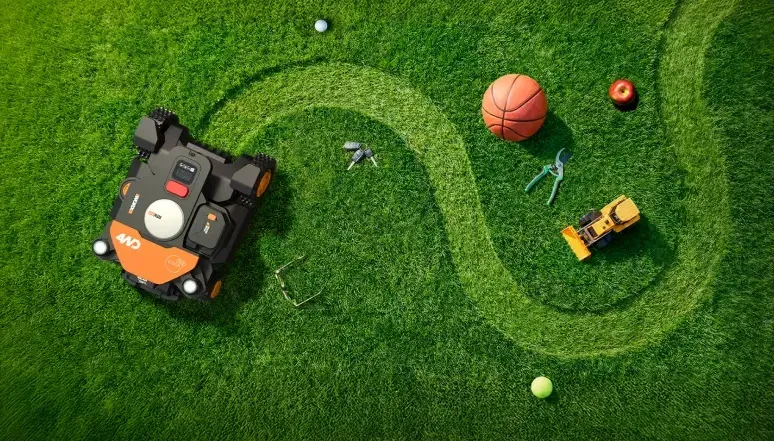
Robot lawn mowers have moved well past the perimeter-wire era. The best 2026 models use vision cameras, LiDAR, RTK-GPS, and multi-sensor fusion to map your yard, avoid obstacles, and mow in efficient parallel lines — no buried wire required. We researched and compared every major wire-free model on the market, evaluating navigation accuracy, cutting blade design, lawn size coverage, slope handling, and verified owner feedback to build this ranked guide.
Whether you have a compact suburban lot or a multi-acre property with complex shapes, there is now a robot mower engineered for your situation. The gap between entry-level and premium has narrowed on features but widened on execution — and that difference matters when your lawn is unsupervised for hours at a time.
| Rank | Product | Rating | Best For |
|---|---|---|---|
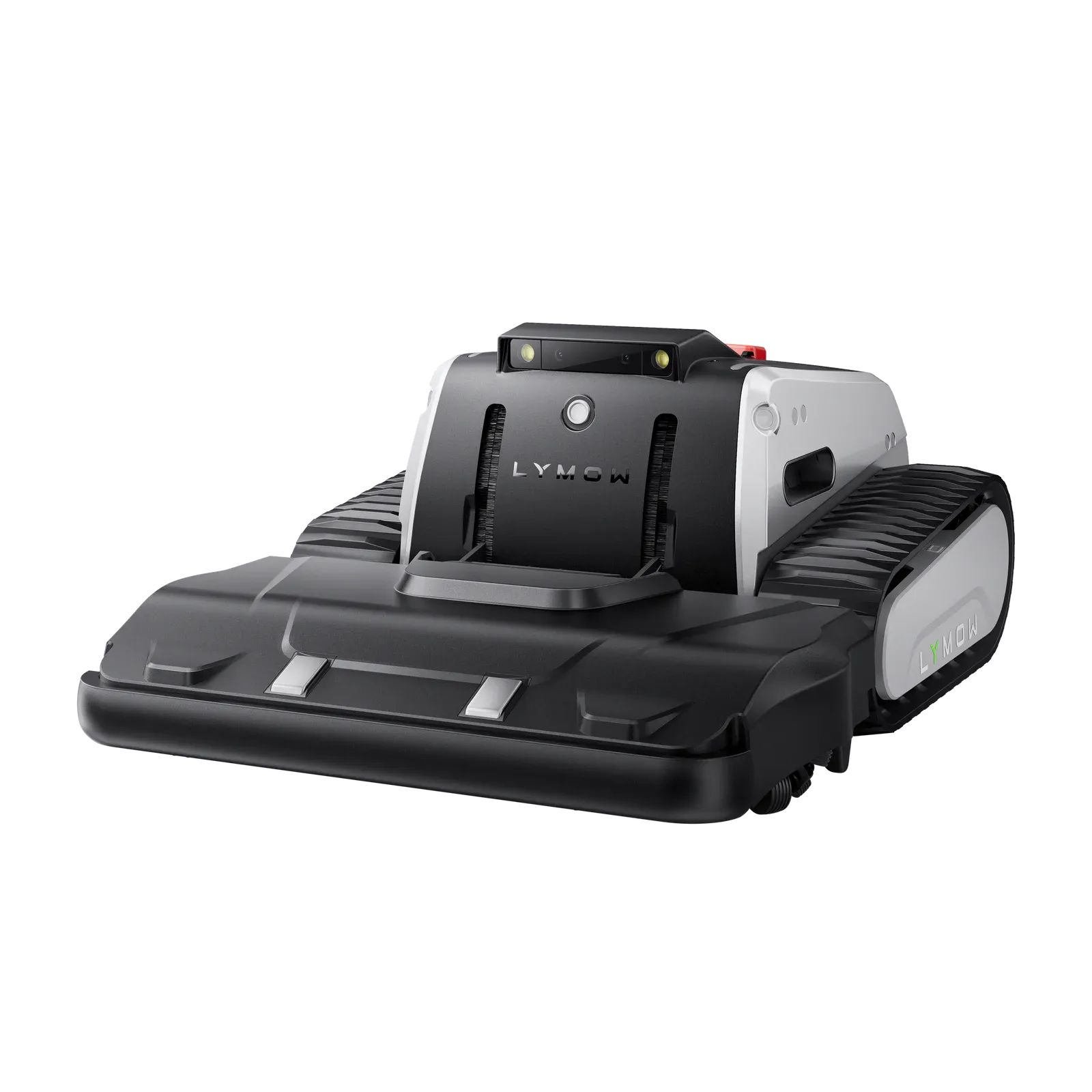
| 1 | Lymow One Plus | 9.5 | Best Overall |
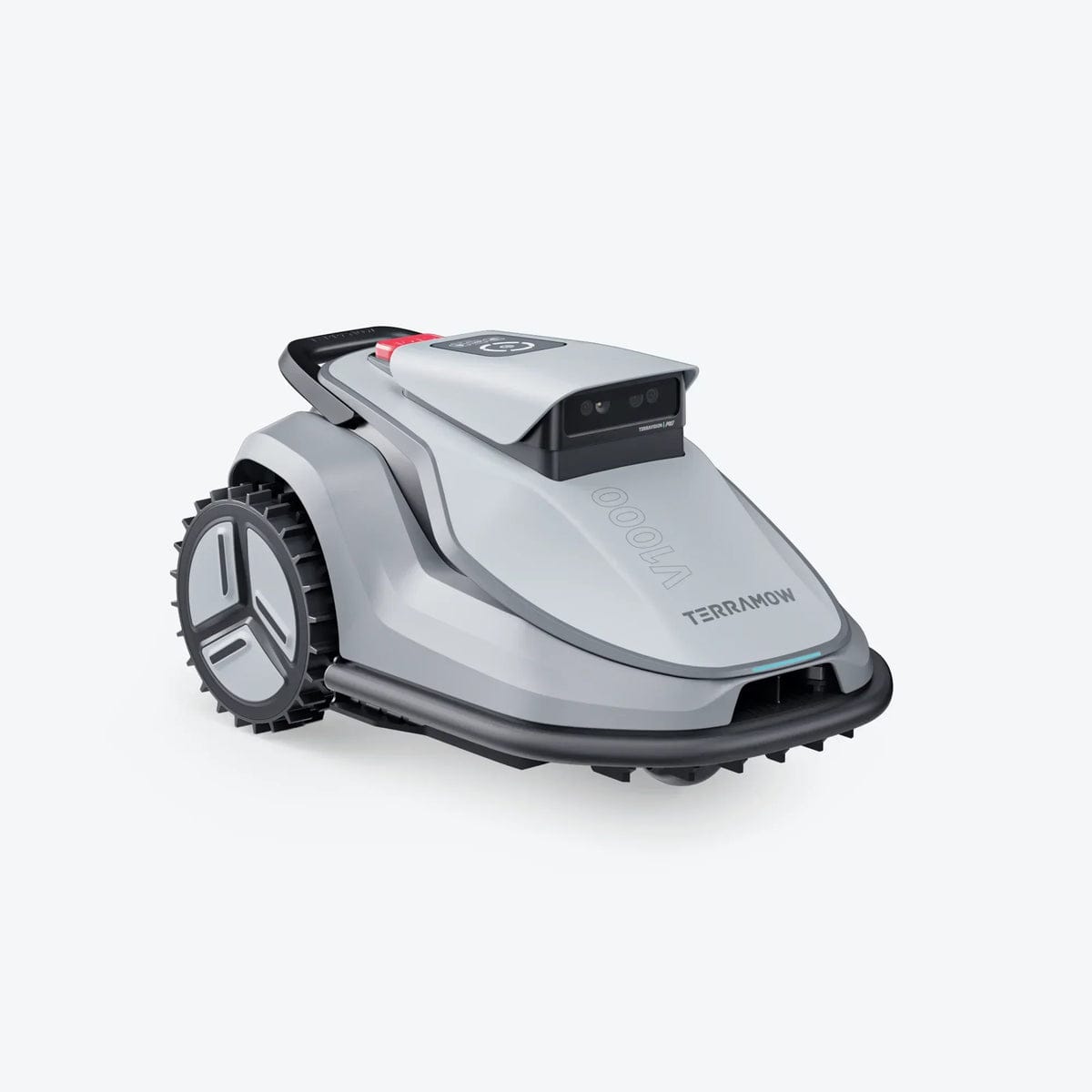
| 2 | Terramow V1000 | 8.9 | Best for Large Lawns |
| 3 | Landroid Vision Cloud 4WD WR346 | 8.5 | Best Established Brand |
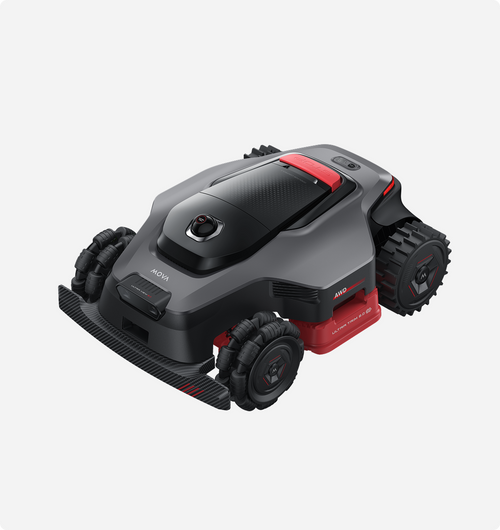
| 4 | MOVA Lidax Ultra 3000 AWD | 8.2 | — |
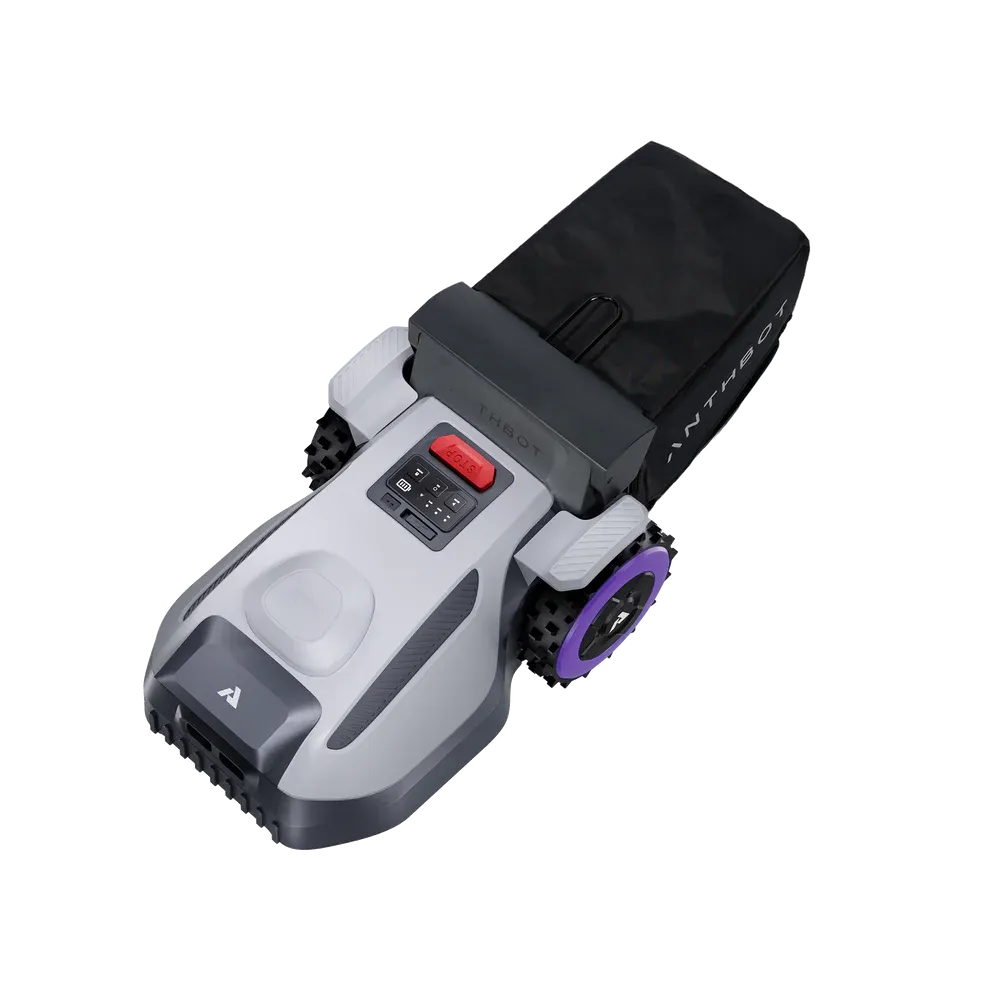
| 5 | ANTHBOT N8 | 7.9 | — |
| 6 | GOAT A3000 LiDAR PRO | 7.6 | — |
| 7 | LUBA 3 AWD 1500 | 7.3 | — |
What We Liked
What Could Be Better
The Lymow One Plus is the most technically accomplished robot mower we evaluated for 2026. Its binocular vision system — not just a single forward camera — gives it a genuine depth-perception advantage for obstacle avoidance that owner reviews consistently praise. At $2,999 it demands a real budget commitment, but for a lawn up to 1.25 acres (54,450 ft² / 5,060 m²) with complex obstacles or steep grades, it is the most capable wire-free mower currently available.
What We Liked
What Could Be Better
The Terramow V1000 is the strongest alternative to the Lymow One Plus and the better choice if you want 4WD capability and RTK-GPS precision at a slightly lower price point. Based on spec comparison and verified owner feedback, it performs reliably on large, open lawns up to 1.0 acre (43,560 ft² / 4,047 m²). The edge the Lymow One Plus holds is primarily in obstacle avoidance sophistication — if your yard is relatively clear, the V1000 closes that gap considerably.
What We Liked
What Could Be Better
The Worx Landroid Vision Cloud 4WD WR346 is the pick for buyers who want the reassurance of an established brand, a large parts and accessory ecosystem, and the highest rated coverage area in this group. The OctoFlow blade system is a genuine differentiator — finer mulching means less visible clipping debris. It trails the top two picks on slope performance and navigation precision, but at $1,799 it delivers strong value for flat-to-moderate terrain up to 1.5 acres (65,340 ft² / 6,070 m²).
What We Liked
What Could Be Better
The MOVA Lidax Ultra 3000 AWD makes a compelling case on paper — three navigation technologies working together is genuinely impressive, and the LiDAR layer gives it a real advantage in obstacle detection after dark. The coverage ceiling of 0.75 acres (32,670 ft² / 3,035 m²) is the limiting factor. If your lawn is under that threshold and you have dense landscaping or irregular obstacles, the sensor suite justifies the price. For larger or simpler lawns, the Terramow V1000 or Worx WR346 make more practical sense.
What We Liked
What Could Be Better
The ANTHBOT N8 is the entry point for buyers who want genuine wire-free RTK-GPS navigation without spending $2,000 or more. Based on available owner feedback, it performs reliably on flat-to-gentle terrain for smaller suburban lots. The 2WD drivetrain and 0.5-acre ceiling are real constraints — if your yard is hilly or larger than 21,780 ft² (2,023 m²), move up to the Worx WR346 or Terramow V1000. But for a compact, relatively flat lawn, the N8 delivers the core technology at the most accessible price in this group.
What We Liked
What Could Be Better
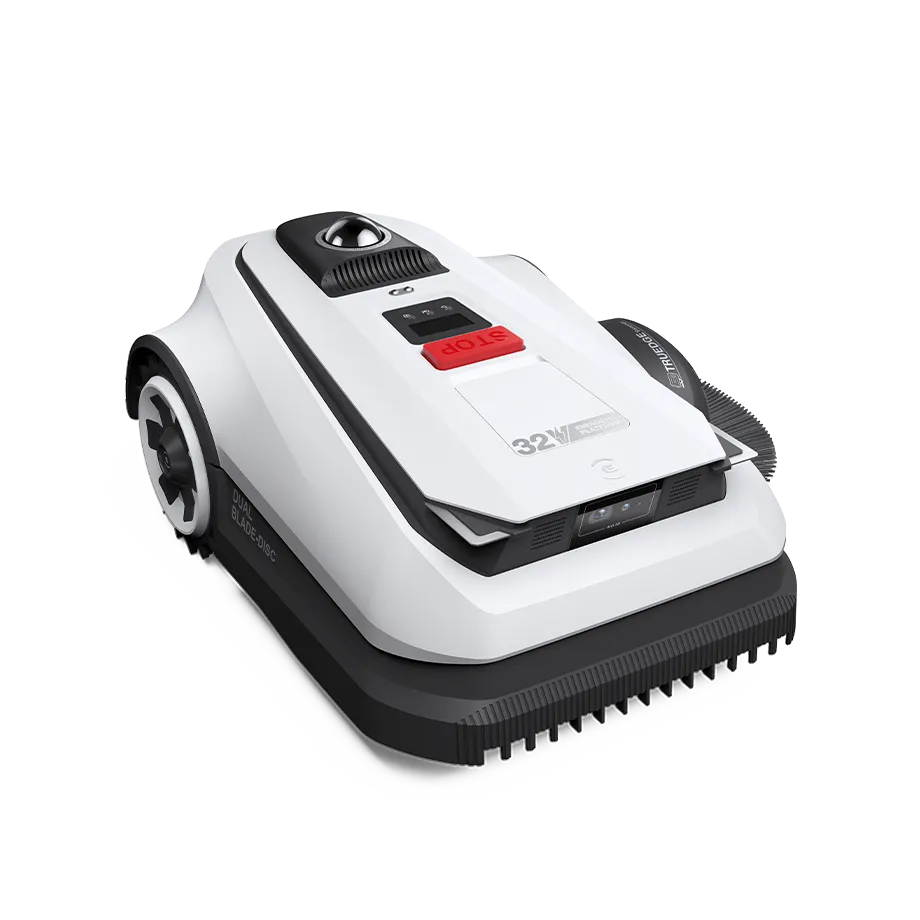
The ECOVACS GOAT A3000 LiDAR PRO is a technically capable mower that is let down by its value proposition. At $2,499 — the same price as the Terramow V1000 — it offers 2WD instead of 4WD and covers 0.25 fewer acres. The ECOVACS brand reputation and app ecosystem are genuine assets, and the LiDAR navigation is solid, but spec-for-spec it is outclassed at this price by the V1000. It makes most sense for buyers who are already in the ECOVACS ecosystem and prioritize brand continuity.
What We Liked
What Could Be Better
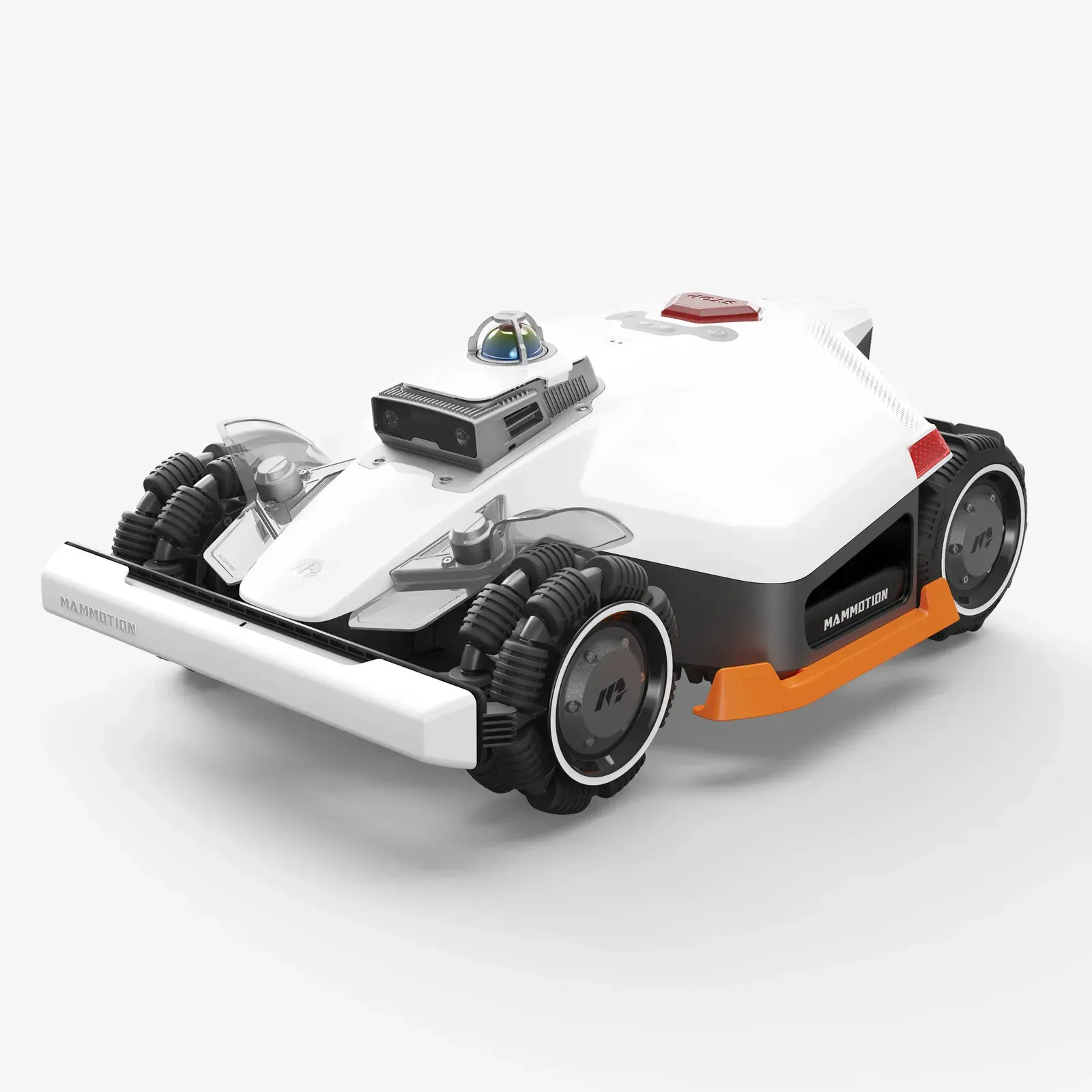
The Mammotion LUBA 3 AWD 1500 is the hardest sell in this roundup on pure value. Its 0.37-acre (16,117 ft² / 1,500 m²) coverage ceiling is the lowest here, and at $1,699 you are paying a premium for the AWD drivetrain and Mammotion's established firmware track record. For very small, hilly yards where AWD matters and the lot is under 16,000 ft², it is a defensible choice. For anything larger or flatter, the ANTHBOT N8 at $200 less or the Worx WR346 at $100 more are more sensible options.
How to Choose the Best Robot Lawn Mower
Navigation Technology: Vision vs. LiDAR vs. RTK-GPS
RTK-GPS gives centimeter-level boundary accuracy and is now standard on most wire-free mowers. Vision cameras add obstacle detection but can struggle in low light. LiDAR (as on the MOVA Lidax Ultra and GOAT A3000) fills that low-light gap but adds cost. For most daytime-only mowing on a typical suburban lot, RTK-GPS plus vision is sufficient — LiDAR matters most if you schedule night mowing or have dense, irregular obstacles.
Cutting Blade Design
Most robot mowers use a floating disc with 3 small pivoting razor blades that mulch clippings finely. The Worx Landroid's OctoFlow system uses 9 pivoting blades, producing even finer clippings that decompose faster — a meaningful difference on lawns where clipping visibility bothers you. Blade replacement cost and availability should factor into your long-term ownership calculation, especially for newer brands.
Lawn Size and Coverage Rating
Manufacturers rate coverage in ideal conditions. A practical rule of thumb is to buy a mower rated for 20-30% more area than your actual lawn to account for complex shapes, multiple zones, and charging interruptions. The Worx WR346 at 1.5 acres (65,340 ft²) and Terramow V1000 at 1.0 acre (43,560 ft²) offer the most headroom. The LUBA 3 AWD 1500's 0.37-acre ceiling makes it a poor fit for anything but small urban yards.
Slope and Drivetrain
If your lawn has grades above 25%, drivetrain matters significantly. 4WD (Lymow One Plus, Terramow V1000, Worx WR346) and AWD (MOVA Lidax Ultra, LUBA 3, ANTHBOT is 2WD) both outperform standard 2WD on hills. The Lymow One Plus and Terramow V1000 lead with a 45% slope rating. If your yard is genuinely flat, 2WD is fine and you can save money — the ANTHBOT N8 handles flat terrain reliably.
Brand Maturity and Firmware Support
Robot mowers are software-dependent products — firmware updates fix navigation bugs, improve scheduling, and add features over time. Worx (Landroid line) and Mammotion (LUBA line) have the longest firmware update histories in this group. Lymow, Terramow, MOVA, and ANTHBOT are newer entrants with shorter track records. This is a real risk factor for a $1,500-$3,000 purchase; factor in the size and activity of each brand's owner community before committing.
Buyers with lawns over 0.5 acres, significant slope, dense landscaping, or complex multi-zone layouts will get genuine value from the Lymow One Plus or Terramow V1000. The navigation precision and 4WD capability of those two mowers translate directly into fewer stuck events, better boundary adherence, and more consistent coverage — which matters when the mower is running unsupervised.
If your lawn is under 0.5 acres (21,780 ft²) and relatively flat, the ANTHBOT N8 at $1,499 delivers the core wire-free RTK-GPS experience without the premium. The Worx WR346 at $1,799 is the better mid-range value if you need more coverage area or want the peace of mind of an established brand with a proven parts ecosystem.
How we ranked these
Rankings were determined by cross-referencing manufacturer specifications, verified owner reviews across major retailers and brand communities, enthusiast forum feedback, and editorial analysis of navigation technology maturity. We evaluated each mower on navigation approach, blade design, coverage area, slope rating, drivetrain, and price-to-capability ratio. No hands-on testing was conducted; conclusions are based on research and comparative analysis.
Common questions
- Do robot lawn mowers still need a perimeter wire in 2026?
- The best 2026 models do not. Every mower in this roundup is wire-free, using RTK-GPS, vision cameras, or LiDAR to establish boundaries. Older models from brands like Husqvarna and Robomow still use perimeter wire, but the wire-free category has matured enough that there is no longer a meaningful performance reason to bury cable.
- Can a robot mower handle steep slopes?
- Yes, but drivetrain and slope rating matter. The Lymow One Plus and Terramow V1000 lead this group with a 45% slope rating and 4WD. For grades above 30%, you should specifically look for 4WD or AWD models — 2WD mowers like the ANTHBOT N8 are rated to 35% but owner feedback suggests performance degrades on wet grass at steeper angles.
- How accurate is RTK-GPS boundary mapping for robot mowers?
- RTK-GPS delivers centimeter-level positioning accuracy under open sky, which is sufficient for reliable boundary adherence on most residential lawns. Accuracy can degrade near tall structures, dense tree canopy, or in areas with poor satellite visibility. Mowers that combine RTK-GPS with vision or LiDAR (like the Lymow One Plus and MOVA Lidax Ultra) handle these edge cases better than GPS-only systems.
- What is the difference between LiDAR and vision navigation on a robot mower?
- Vision cameras detect obstacles and terrain features using image recognition — they work well in daylight but can struggle at dusk or night. LiDAR uses laser pulses to build a 3D map of surroundings and works regardless of lighting conditions. The MOVA Lidax Ultra 3000 AWD and GOAT A3000 LiDAR PRO use LiDAR; the Lymow One Plus uses binocular vision (two cameras for depth perception) plus RTK-GPS, which performs comparably in most daytime conditions.
- How long does a robot mower take to cut a lawn?
- Mowing time depends on lawn size, mowing frequency, and schedule settings. Robot mowers work best on a daily or every-other-day schedule, cutting a small amount each session rather than doing a full-length cut weekly like a traditional mower. A 0.5-acre lawn on a daily schedule typically takes 60-90 minutes per session. Mowers with larger cutting widths (like the Worx WR346) complete passes faster on open terrain.
- Is the Lymow One Plus worth $500 more than the Terramow V1000?
- For most buyers, the Terramow V1000 closes the gap considerably. The Lymow One Plus earns its premium through a more sophisticated binocular vision system that provides genuine depth-perception advantages for obstacle avoidance — verified owner reviews consistently highlight this. If your yard has complex obstacles, children's toys, pets, or irregular garden features, the Lymow's detection edge is worth the premium. For a clean, open lawn, the V1000 at $2,499 is the smarter buy.