GardePro X60P Trail Camera

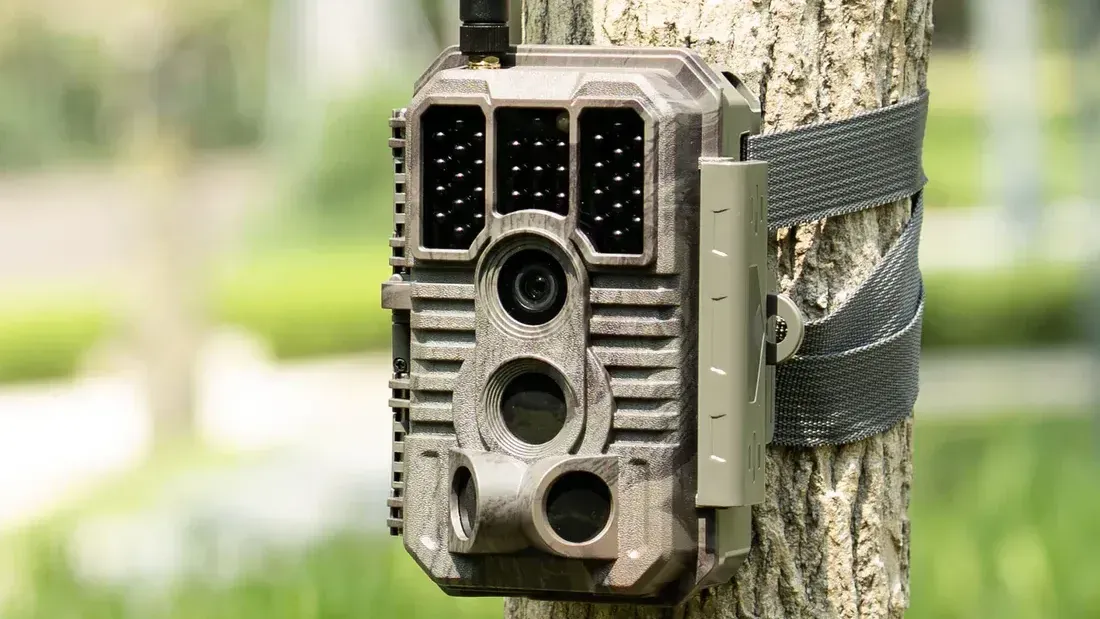
Like having a tiny park ranger on call, the X60P Live Max is built for people who want eyes on a spot no matter how remote. With the X60P you can live stream over cellular, have it auto select the strongest local LTE signal, and send alerts so you can react when you're needed. Key specs for the X60P include a 8000mAh rechargeable battery, 940nm 'no glow' IR that keeps it hidden, night vision up to 100ft, built-in 32GB storage, a 2.4 inch color screen, time lapse and motion modes, and a DC 12V input for external power. The app and plan are part of the deal. Data plans start at $7 per month for one camera, with different usage limits depending on the plan.
GardePro launched in 2019 with a focus on image quality, including using top shelf Sony sensors in its first A3 and A3S models. The company listens to their users and builds things the way the users want them built, because trail cams live or die by the small stuff like intuitive menus, solid night vision, and how often you end up having to go back to the camera to fix something. Today GardePro's lineup is split into cellular and wifi options, and they offer accessories like solar, mounts, and security boxes.
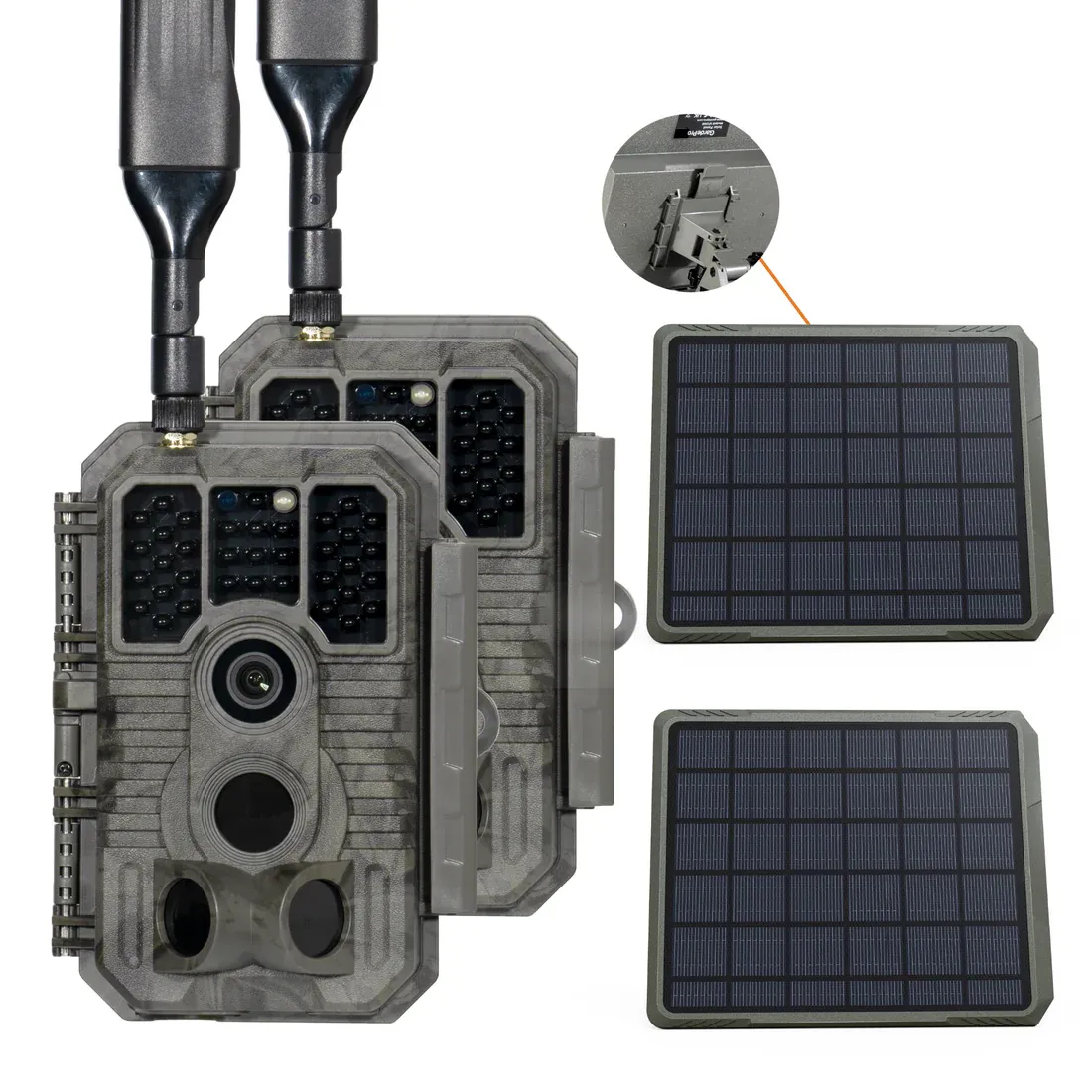
X60P Live Max
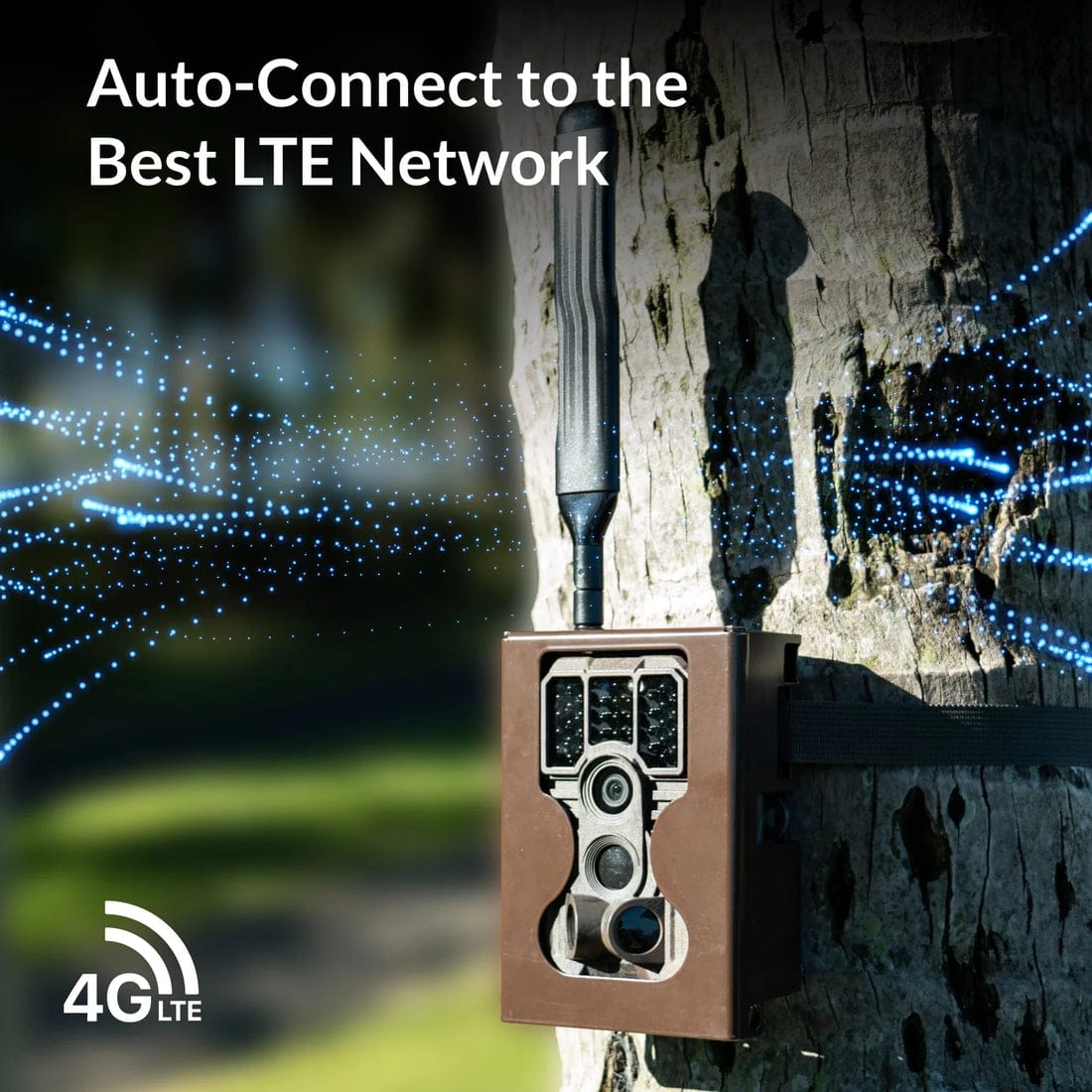
This is a cellular trail cam with live viewing as its specialty. It can stream live video over cellular, and it is made for wildlife monitoring, remote property surveillance, and outdoor research. The camera is designed to connect to the strongest local 4G LTE network, which is what you want when you are mounting it somewhere you're not able to babysit. On the hardware side you get a rechargeable 8000mAh battery, a 2.4 inch color screen for setup and checks, and built-in 32GB storage so you're not playing the SD card compatibility lottery. Darkness is handled with 940nm 'no glow' IR that provides approximately 100ft of night range.
Beyond the trails
The X60P can be used for quite a bit more than just trails. A live cellular trail cam can turn any weird, remote problem into quick check-ins, sort of like a doorbell cam that lives in the woods. While it may be marketed for wildlife, nature filming, and field research, there are plenty of other uses including watching long driveways out of reach of wifi, monitoring vacation homes, and keeping an eye on construction sites.
Here are a few creative use cases that you might find helpful:
- Catching trespassers and property snooping with 'no glow' IR lighting so there is no visible red at night, which helps when you want the camera to stay hidden.
- Keeping an eye on a dumpster or shared area where somebody keeps dumping trash. Extra pickups are expensive so this could ultimately save you money.
- Watching garden pests and nighttime visitors in a yard, including the “what is eating my plants” mystery.
- Bird feeder and backyard wildlife setups, where you want quick clips without running power.
These are more 'typical' use cases:
- Gates and long driveways
- Barns, chicken coops, bee yards
- Boats and docks
- Sheds and tool caches
- Trail heads and parking pullouts
- Storm damage time lapse
- Remote job sites
- Wildlife corridors and water sources
Setup and daily use
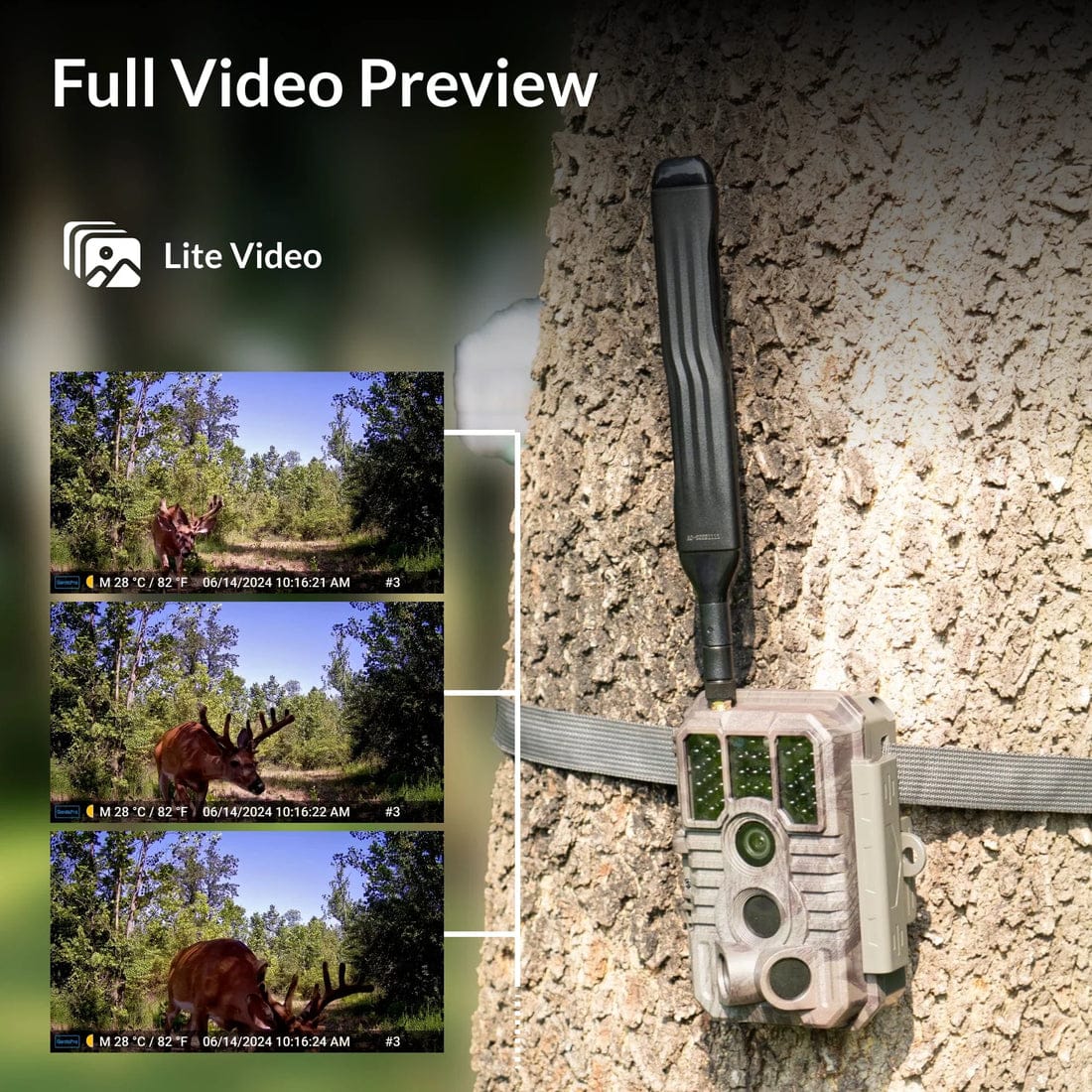
The built-in screen isn't found on some of the competing cameras, and it's a huge help. A 2.4 inch display makes aiming, framing, and quick checks feel less like a guessing game. The app includes gallery viewing, lite video preview, and then requesting HD photos or videos when something looks worth pulling. You can also get alerts for new captures, and you can manage status like cellular signal and battery.
Two practical tips I would follow with a camera like this:
- Do the whole setup at home first, then mount it. You want your account, plan, and notifications behaving before you are standing in mud trying to get it working.
- Plan your mount like you plan a prank. Higher, angled down, and not obvious. No glow helps reduce theft risk, but hiding it still helps.
Video quality and night performance
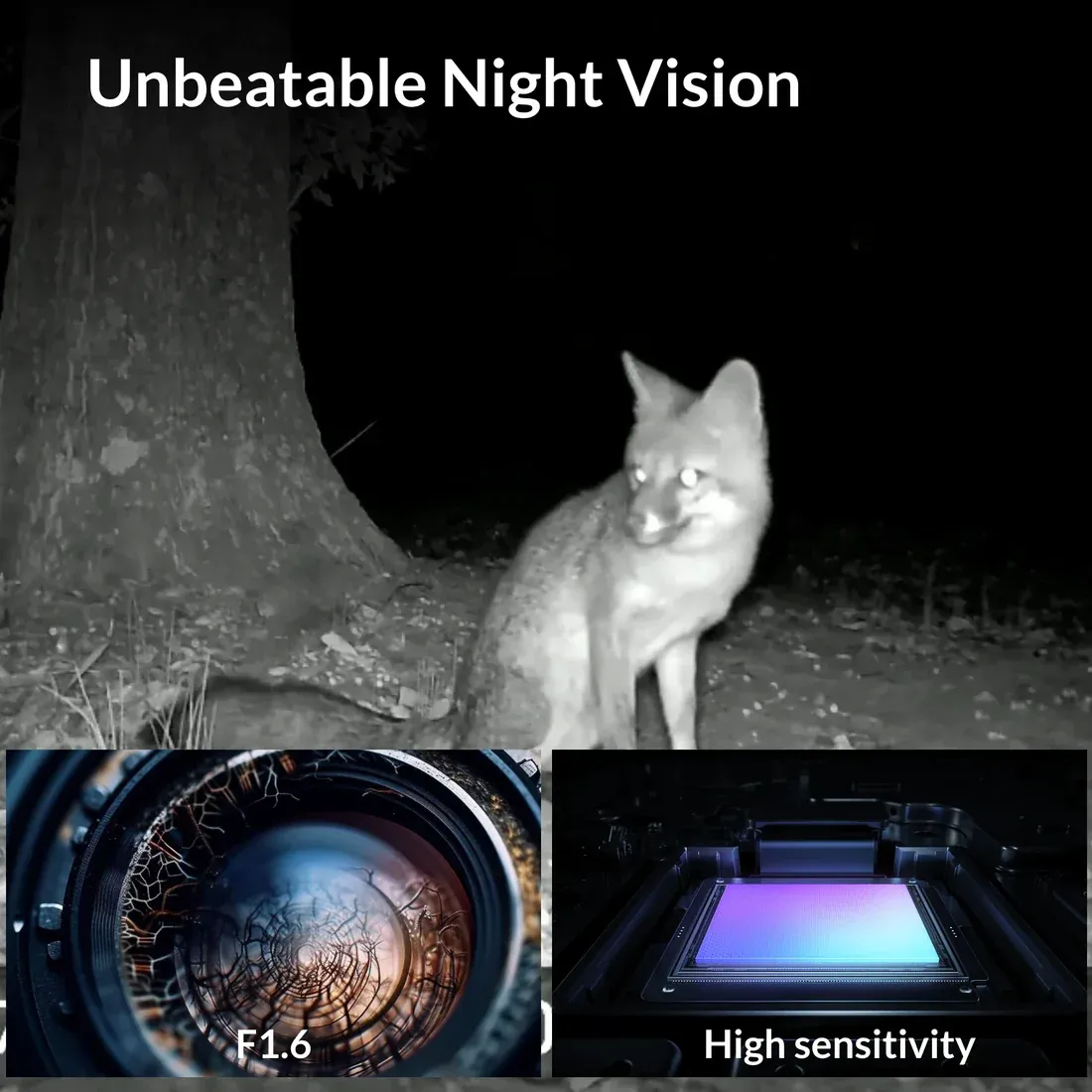
Smart night vision is achieved with 940nm no glow IR, which yields an approximate night range of up to 100ft. The practical upside of no glow is stealth. It is less likely to spook animals, and less likely to announce itself to people.
On the cellular side, the lite video preview feature is really helpful for limiting data use. It provides a full preview stream at 2fps for up to 5 minutes, which is way more informative than a few still frames. The catch is that lite video has no sound. My take is that this is fine for most security and wildlife checks, because you are usually trying to answer “what was it” and “which direction was it going.” If you need audio or detail, that is where the HD requests and plan allowances come in.
Cellular performance and costs
The camera is designed to auto connect to the strongest local 4G LTE network, and it can connect to carriers like AT&T, T-Mobile, Telstra, and Vodafone. This is a huge benefit because coverage varies by region, and being locked to a single carrier can prove problematic.
GardePro plans are structured around a pool, so you can run multiple devices all under a single plan. All cameras under the same plan share the data balance and billing cycle, which is great if you run multiple cams. Monthly pricing currently starts at $7 for the first camera on Basic, then $5 for each additional camera. Prices go up from there depending on how much data you need.
Data limits currently work roughly as follows. Basic is 500 photos or 5000 seconds of video preview per month. Standard is 1500 photos or 15000 seconds. Premium is unlimited photos or video preview. There is also a free one month trial if you are new to GardePro. Check the GardePro website for the most up-to-date information. The bottom line is that the pricing is very reasonable considering what you get.
Power and solar performance
The X60P Live Max is built around a rechargeable 8000mAh battery, and GardePro claims that the battery is good for over 300 charge cycles. They also claim typical battery life around one month without solar with moderate temps and a routine like 10 detection videos per day at 10 seconds each. If you can give it about two hours of solar charging per day under good conditions, they claim it can stay powered indefinitely. That is the dream setup for remote land and long driveways.
If you happen to have power nearby or if you have your own battery array or solar setup, the camera supports external power via a DC 12V input with a 5.5x2.1mm plug. GardePro offers external solar options, including 3.5W and 10W models, and they claim at least 2 times battery life extension with abundant sun. For the panels themselves, the SP300 spec sheet lists 3.5W output and IP65 protection, and the SP350 spec sheet lists selectable output voltages and up to 12W max output with IP65.
Vetted Verdict
All in, the GardePro X60P is a versatile trail camera that can be used in a wide range of applications. Whether you need to keep an eye on a remote job site, watch out for game or wildlife, or monitor the level of the stream running through your property, it is easy to set up and can work just about anywhere. Its ability to leverage solar panels for power and connect to a cellular network and stream to your phone makes the possibilities for this camera nearly endless. We can see why these have become so popular!