HTVRONT Review: A Serious Toolkit for DIY Custom Apparel
HTVRONT makes heat presses, DTF printers, and embroidery machines aimed at DIY crafters and small-business owners looking to produce custom apparel at home or in a studio.

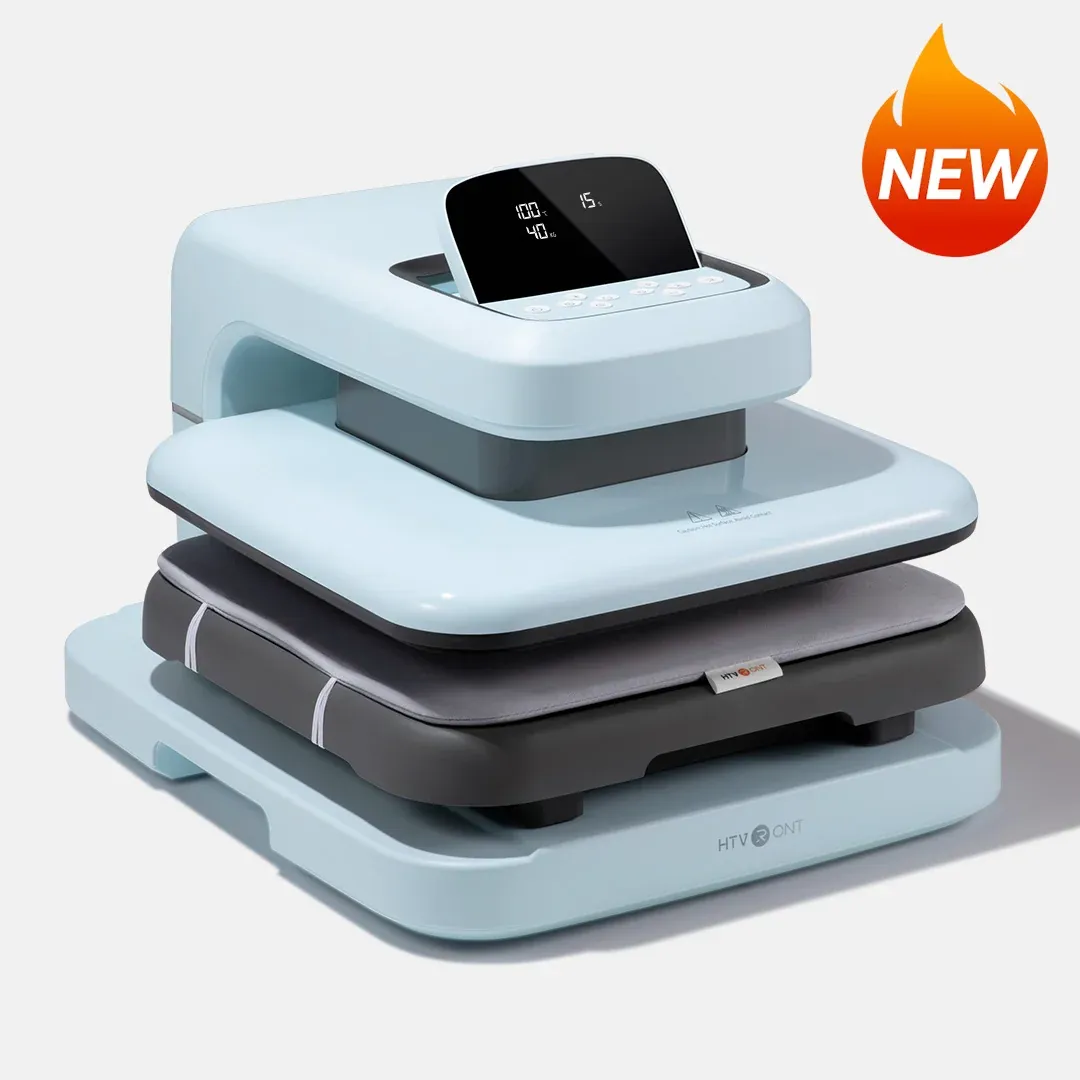
HTVRONT is a brand built around one core idea: giving DIY crafters and small-business owners the same production tools that screen printers and embroidery shops have used for decades, at a price point that doesn't require a commercial lease to justify. This review covers the full HTVRONT catalog, from their auto heat presses to their DTF printers and embroidery machines, plus the IdeaStudio design software that ties it all together. If you've been eyeing the custom-apparel space but aren't sure whether HTVRONT is the right starting point, read on.
HTVRONT — At a Glance
What We Liked
- Covers three major production methods: heat transfer, DTF printing, and embroidery
- IdeaStudio design software keeps the workflow in one ecosystem
- Free shipping on orders over $49 lowers the barrier to entry
- Active community and education focus help beginners get up to speed faster
What Could Be Better
- Brand is still building its reputation against more established names like Cricut and Brother
- DTF printing adds ongoing supply costs (ink, film) that beginners should budget for
What HTVRONT Makes
The HTVRONT catalog breaks down into three main pillars: heat presses, direct-to-film (DTF) printers, and embroidery machines. Each category targets a slightly different production workflow, but they all point toward the same end goal — letting you put a custom design on a garment without outsourcing the job. That breadth is unusual for a brand at this price tier, where most competitors pick one lane and stay in it.
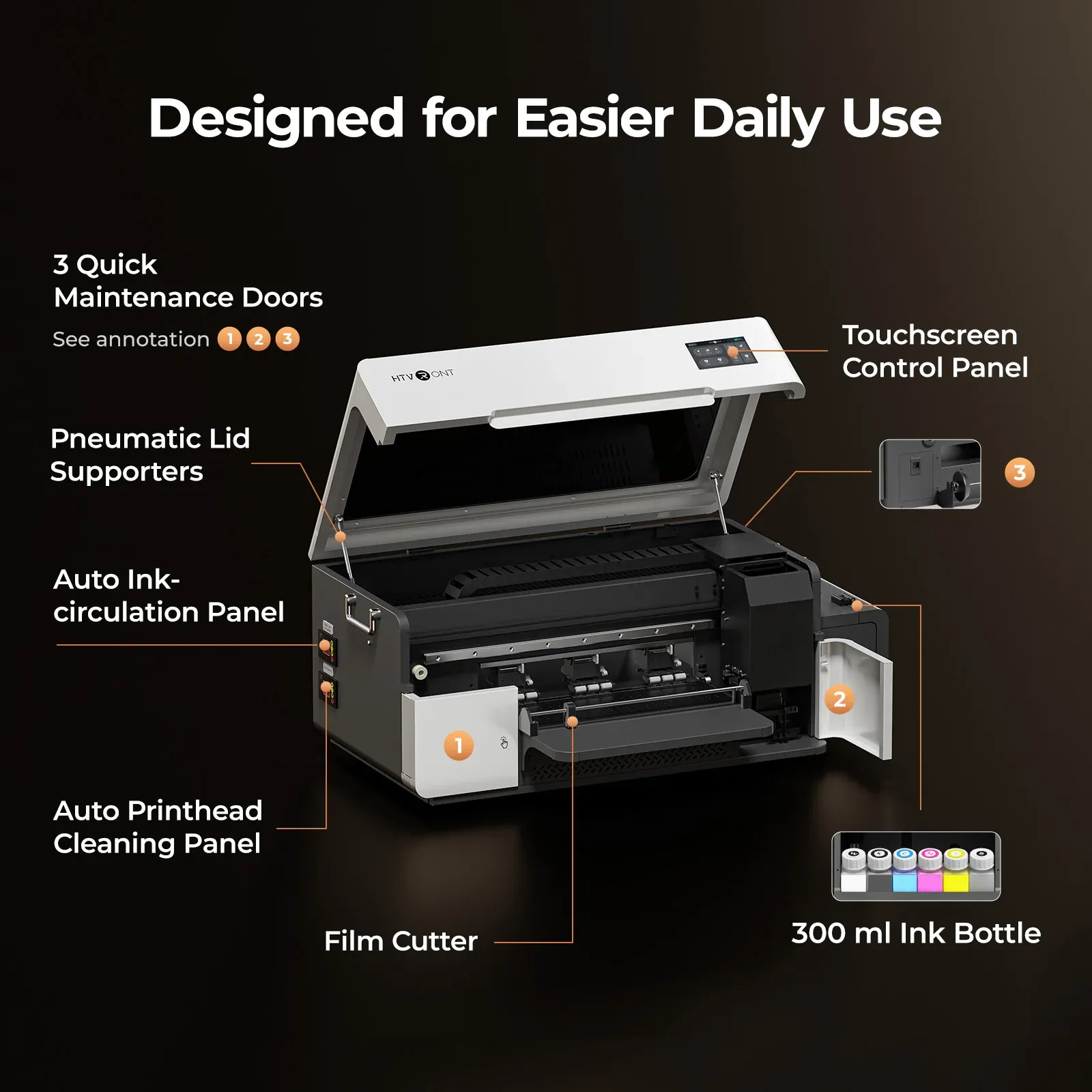
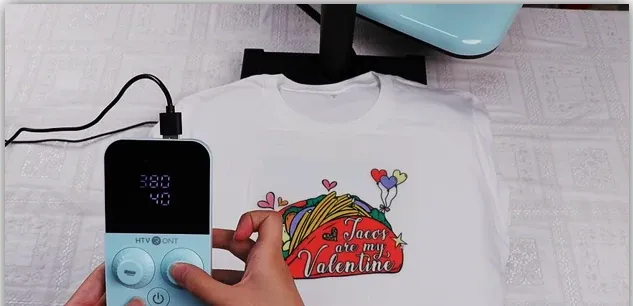
Their heat press lineup includes what they describe as "auto" models, which suggests some degree of automated pressure or time control rather than the fully manual clam-shell presses that have dominated the entry-level market for years. The DTF printer line currently features the HTVRONT D2, available in at least two colorways (Glossy Black and Daisy White), which signals they're treating the hardware as a consumer product worth styling, not just a utilitarian box. Embroidery machines round out the catalog for crafters who want stitched designs rather than printed transfers.
The DTF Printing Angle
DTF (direct-to-film) printing is worth explaining for anyone new to the category. Instead of pressing a heat-transfer vinyl (HTV) sheet onto a garment, you print a full-color design onto a special film, apply a hot-melt adhesive powder, cure it, and then heat-press the finished transfer onto fabric. The result is a full-color, photo-quality print that stretches with the garment and holds up well through washing. It's a significant step up from single-color HTV work, and it's the technology that's been eating into traditional screen printing's market share for small runs.
The D2 appears to be HTVRONT's entry into this space as a complete kit, which is the right approach for a brand targeting beginners and small-business starters. DTF setups can be finicky when assembled from mismatched parts, so a bundled printer-and-supplies package reduces the guesswork. That said, DTF printing does carry ongoing consumable costs (ink, film, powder) that heat-transfer vinyl work largely avoids. Anyone budgeting for a D2 should factor those recurring costs into their math before comparing it to a simpler heat press setup.
Heat Presses and the Auto Advantage
Heat presses are the most established part of HTVRONT's catalog and the category where the brand has the most direct competition. Names like Cricut's EasyPress line and Vevor's commercial-style presses dominate search results, and the market is crowded with sub-$100 options that look similar on spec sheets but vary wildly in platen consistency and hinge durability. HTVRONT's positioning around "auto" heat press technology suggests they're trying to differentiate on ease of use rather than competing purely on price.
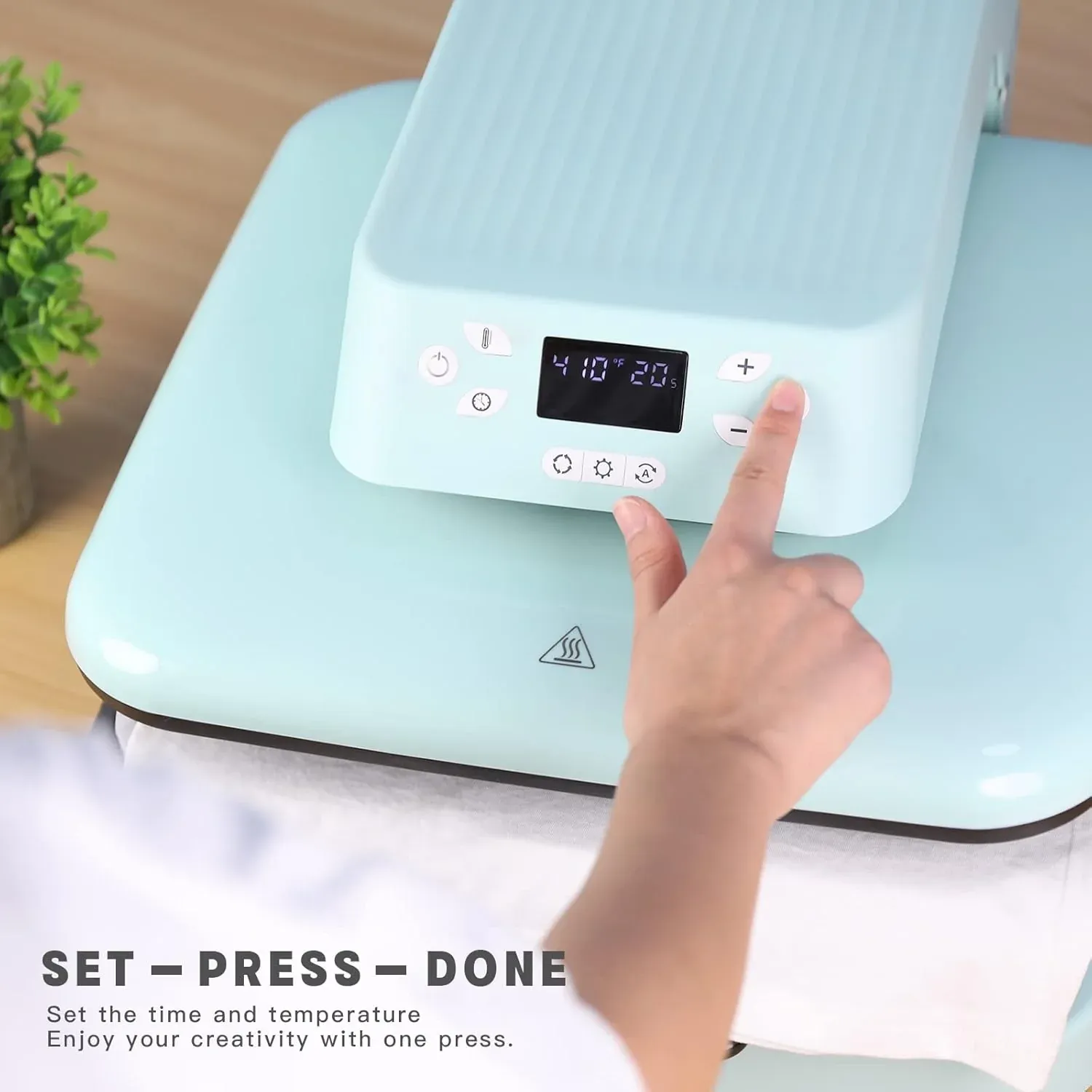
Automated pressure adjustment matters more than it might sound. One of the most common failure points for beginners using manual clam-shell presses is inconsistent pressure across the platen, which produces uneven transfers and peeling edges after a few washes. If HTVRONT's auto presses genuinely address that problem, it's a meaningful improvement over the manual-adjustment alternatives in this tier. Based on the brand's own positioning, that appears to be a central claim, though independent long-term durability data is still accumulating as the brand grows its user base.
Embroidery Machines
Embroidery is the third leg of the HTVRONT ecosystem, and it serves a distinct customer. Where DTF and heat-transfer work appeals to people who want photo-quality or full-color prints, embroidery appeals to those who want a premium, tactile finish on hats, polos, bags, and similar items. The stitched look carries a perceived quality premium in the market, which is why branded merchandise and workwear often defaults to embroidery over printing.
HTVRONT's embroidery machines sit alongside brands like Brother (the SE700 and PE800 are common reference points) in the home-and-small-business segment. Without detailed published specs to compare directly, it's difficult to assess how HTVRONT's hoop sizes, stitch counts, or built-in design libraries stack up. What's clear is that including embroidery in the catalog gives HTVRONT a more complete answer to the question "what can I make?" than brands that stop at heat transfer alone.
HTVRONT D2 DTF Printer vs. Typical Entry-Level DTF Setup
| Feature | HTVRONT D2 (Kit) | Generic DIY DTF Setup |
|---|---|---|
| Bundled as complete kit | Yes | No — sourced separately |
| Colorway options | 2 (Glossy Black, Daisy White) | — |
| Companion design software | IdeaStudio | — |
| Brand support/community | Yes | Limited |
| Ongoing ink/film costs | Yes | Yes |
IdeaStudio and the Ecosystem Play
One of the more interesting aspects of HTVRONT's positioning is IdeaStudio, their in-house design software. Offering proprietary design software is a page taken directly from Cricut's playbook. Cricut built enormous customer loyalty (and recurring revenue) by tying their cutting machines to the Cricut Design Space app, making it easier to stay in the ecosystem than to leave it. HTVRONT appears to be pursuing a similar strategy, giving users a design tool that presumably integrates with their hardware.
The practical upside for beginners is real: having one software environment that "speaks" to your heat press, DTF printer, and embroidery machine reduces the learning curve compared to stitching together three separate workflows. The potential downside, common to any proprietary ecosystem, is that you become somewhat dependent on HTVRONT continuing to develop and support the software. For a brand that's still establishing itself, that's a reasonable concern to keep in mind, even if it's not a reason to walk away.
Community and Education
HTVRONT explicitly calls out community and education as part of their value proposition, with a "See What's Possible" section and a focus on both business and education use cases on their homepage. This matters more than it might seem for a technical product category. Heat pressing, DTF printing, and embroidery all have real learning curves, and a brand that invests in tutorials, user galleries, and community forums reduces the frustration that causes beginners to return equipment.
Whether HTVRONT's community resources are genuinely robust or mostly aspirational marketing is something that's best evaluated by spending time in their forums and YouTube presence before committing to a purchase. But the intent to build that infrastructure is a positive signal, particularly for someone who doesn't have a local maker space or crafting community to lean on for troubleshooting help.
Who HTVRONT Is For
HTVRONT is squarely aimed at two audiences that overlap more than you'd expect: the serious DIY crafter who wants to go beyond iron-on transfers, and the early-stage small-business owner who needs professional-looking output without a commercial equipment budget. The breadth of their catalog means a single brand relationship can carry you from your first heat press project through to a more sophisticated DTF or embroidery workflow as your business grows.
HTVRONT is probably not the right fit for someone who only wants to make occasional one-off gifts with minimal setup. For that use case, a Cricut cutting machine with iron-on vinyl is simpler and cheaper to get started with. HTVRONT's value proposition becomes clearer when you're thinking about producing custom apparel in any kind of volume, or when you want the quality ceiling that DTF printing or embroidery provides over standard HTV work.
Vetted Verdict
HTVRONT has built a more coherent ecosystem than most brands at this tier, pairing three distinct production methods with in-house design software and a community-first approach that should help beginners avoid the most common pitfalls. The D2 DTF printer is a notable product in a category that's been dominated by industrial-looking hardware, and the auto heat press positioning addresses a real pain point for new users. The brand is still earning its stripes against more established names, and long-term durability data is still building, but the catalog logic is sound. If you're ready to move beyond hobby-level crafting and want a single brand that can grow with your ambitions, HTVRONT is worth a serious look.