Maono Podcasting Bundle
The Maono Podcasting Equipment Bundle pairs the E2 mixer, PD400X dynamic mic, and MH700 headphones into one starter-to-serious setup.

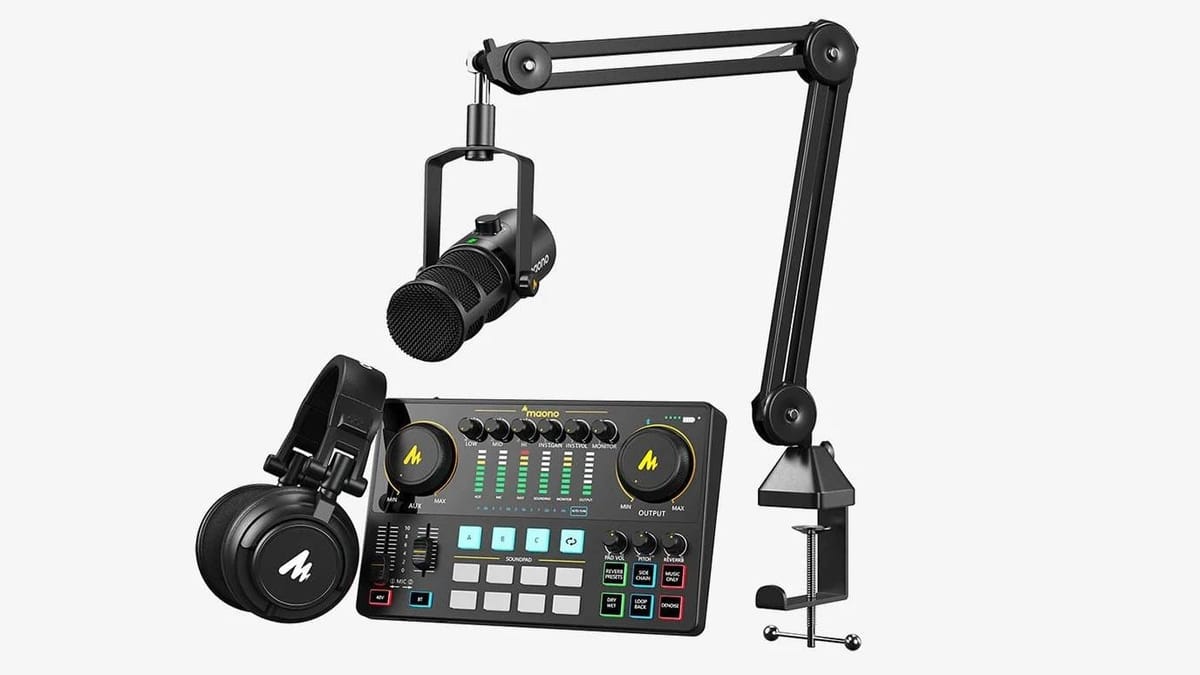
This Maono Podcasting Equipment Bundle is a three-piece kit from one of the fastest-growing audio brands in the creator space. The bundle pairs the Maonocaster E2 audio interface, the PD400X USB/XLR dynamic microphone, and the MH700 monitoring headphones into a single purchase aimed at podcasters, streamers, and home recording enthusiasts who want a matched, ready-to-record rig without sourcing each piece separately.
Maono Podcasting Equipment Bundle — At a Glance
What We Liked
- Three well-matched components that work together out of the box
- PD400X offers both USB and XLR connectivity for flexibility
- E2 mixer adds real-time DSP effects and multi-source mixing
- MH700 headphones provide closed-back isolation suited for monitoring
What Could Be Better
- Dynamic mic requires closer mic technique than condenser alternatives
- E2's onboard effects may feel limiting for advanced producers
What's included
The bundle is built around three distinct products that Maono sells individually, so it's worth understanding what each piece actually is before evaluating them as a system. The Maonocaster E2 is a compact all-in-one audio interface and mixer designed specifically for streaming and podcasting workflows. The PD400X is a dynamic microphone that supports both USB and XLR output simultaneously, a genuinely useful feature that lets it connect directly to a computer or run through the E2's XLR input. The MH700 rounds out the kit as a closed-back monitoring headphone built for tracking and playback during recording sessions.
Buying these three pieces as a bundle just makes life easier. The E2 has an XLR input that feeds directly from the PD400X, and its headphone output drives the MH700 for zero-latency monitoring. Maono has essentially pre-solved the compatibility question for you, which is a real advantage for anyone who has spent an afternoon reading forum threads about gain staging and driver conflicts.
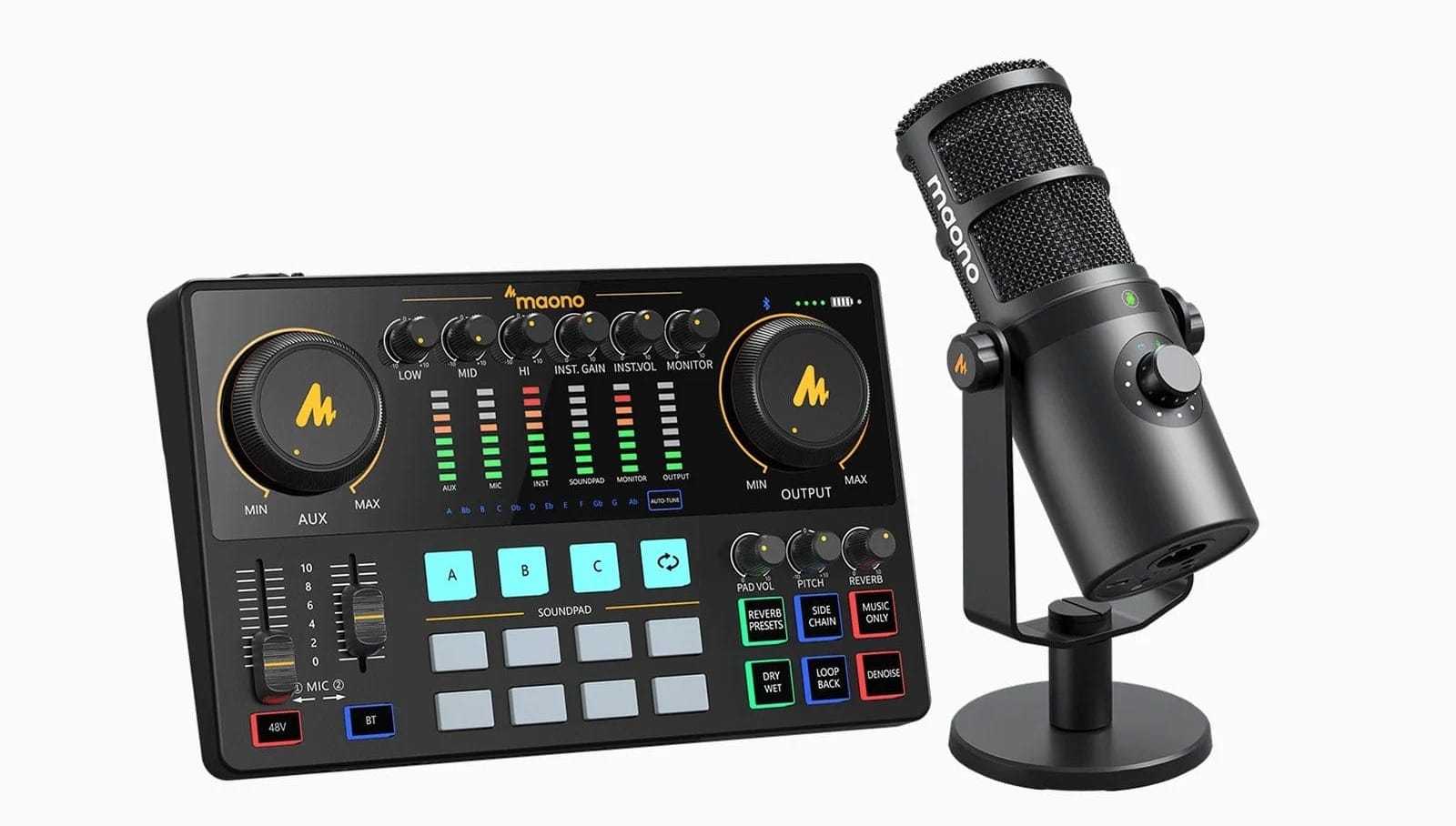
Maonocaster E2 Audio Interface
The E2 is the centerpiece of this setup, and it punches above what you'd expect at this price tier. It accepts one XLR microphone input and offers a suite of onboard DSP processing including reverb, echo, and voice-change effects that are toggled directly from the unit's surface. For live streamers and podcasters who want to sound polished without opening a DAW, that's a meaningful convenience. The interface also handles multi-source mixing, letting you blend microphone audio with music playback or system audio before it hits your recording software.
The form factor is compact enough to sit in a corner of a desk without dominating the workspace. Where the E2 shows its limitations is in the XLR input count: it's a single-channel interface, so if you're planning a two-host podcast where both people need their own microphone, you'll need a different solution or a second interface.
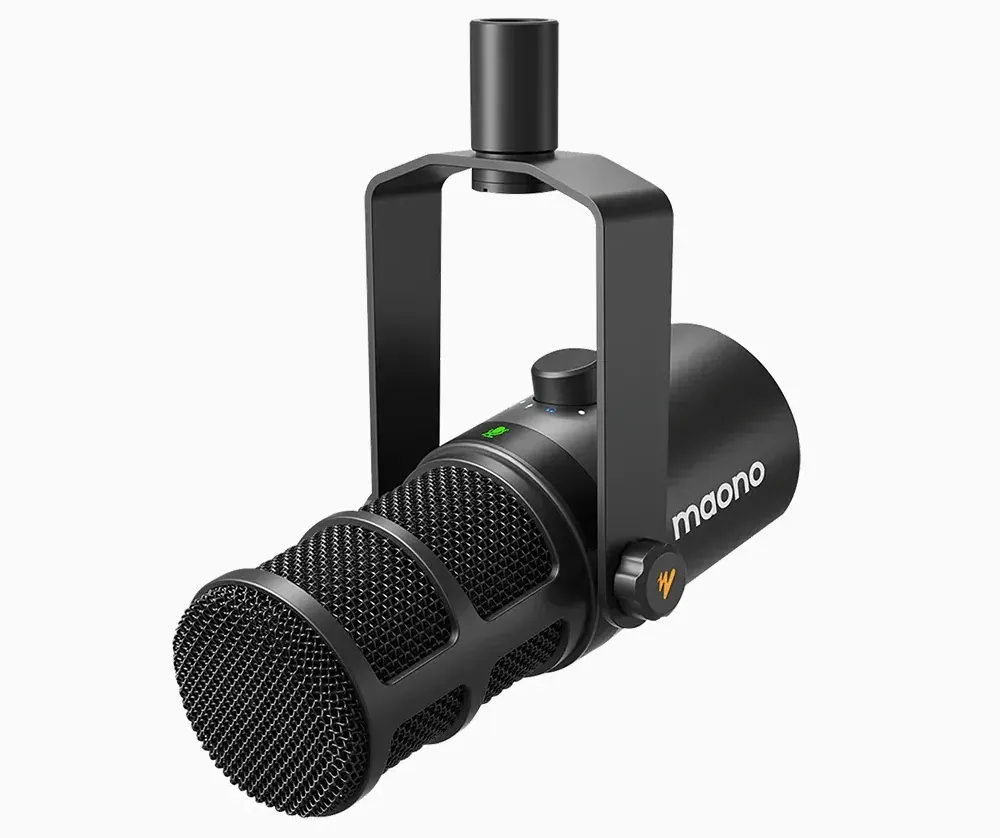
PD400X Dynamic Microphone
The PD400X is the component I'd call the star of this bundle. Dynamic microphones are the workhorses of broadcast and podcasting for good reason: they reject background noise more aggressively than condenser mics, they're forgiving of untreated rooms, and they don't require phantom power. The PD400X adds a layer of modern flexibility with its dual USB/XLR output, meaning it can function as a standalone USB mic plugged directly into a laptop or as an XLR source feeding the E2 (per Maono's PD400X product page).
The microphone has a cardioid polar pattern, which focuses pickup directly in front of the capsule and rejects sound from the sides and rear. That's exactly what you want for a home studio or desk setup where room acoustics aren't ideal. The PD400X also includes a built-in headphone jack for direct monitoring when used in USB mode, which adds further flexibility if you're using it without the E2. One honest caveat: dynamic mics reward proper mic technique. If you're the type to lean back from the mic while talking, a condenser will be more forgiving; the PD400X will want you within about six to eight inches of the capsule for the best results.
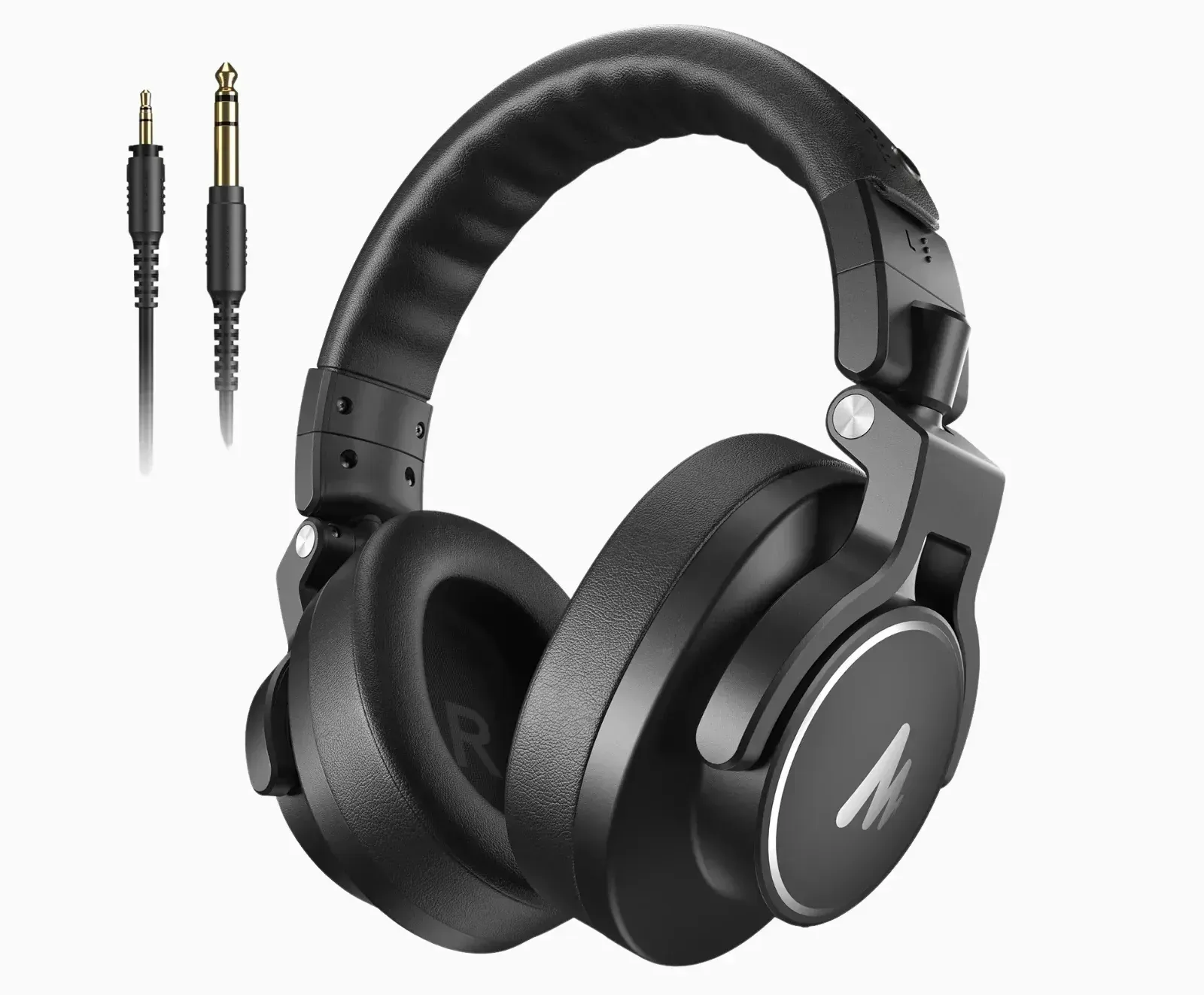
MH700 Monitoring Headphones
Monitoring headphones serve a different purpose than consumer listening headphones, and it's worth being clear about that distinction. The MH700 is tuned for accuracy rather than enhanced bass or hyped highs, which makes it more useful for catching problems in your audio than for casual music enjoyment. The closed-back design provides passive isolation, helping you hear your microphone signal clearly in the E2's headphone output without room bleed contaminating the monitor mix.
The MH700 connects via a standard 3.5mm jack with a 6.35mm adapter included, so it plugs directly into the E2's headphone output or into any standard audio interface or phone. Over-ear closed-back headphones in this category tend to be comfortable for hour-long recording sessions, though fit preferences vary enough that it's worth noting this is a full-size headphone rather than an on-ear design. For podcasters who are new to monitoring, the MH700 will likely reveal a lot about their recording environment that earbuds simply miss.
How the Three Pieces Work Together
The real argument for buying this as a bundle rather than individual pieces is workflow coherence. The PD400X connects to the E2 via XLR, the E2 connects to your computer via USB, and the MH700 plugs into the E2's headphone output for monitoring. You can apply the E2's DSP effects in real time, adjust gain at the interface level, and hear exactly what your recording software is capturing.
Where this bundle makes the most sense is for solo podcasters, streamers, or home recording beginners who want to step up from a basic USB microphone without building a full professional studio rack. The combination of the E2's mixing features and the PD400X's broadcast-style dynamic capsule gives you more control than a typical USB mic-only setup, while staying approachable enough that you don't need an audio engineering background to get started. There is also a bundle available that includes an additional mic and an extra set of headphones, which can all be plugged into the mixer.
Maono Bundle Component Specs
| Component | Key Spec | Connection |
|---|---|---|
| Maonocaster E2 | 1x XLR input, DSP effects, multi-source mixing | USB to computer |
| PD400X Mic | Dynamic cardioid capsule, built-in headphone jack | USB + XLR (simultaneous) |
| MH700 Headphones | Closed-back over-ear, 3.5mm + 6.35mm adapter | 3.5mm / 6.35mm |
How It Compares
The closest competitor in the bundle space is the Focusrite Scarlett Solo with a Shure SM58 or similar dynamic mic, which many beginners piece together independently. That combination typically costs more in total and doesn't include monitoring headphones. The Rode Podcaster USB mic is another common reference point, but it's a USB-only condenser that doesn't offer the XLR flexibility of the PD400X or the mixer-layer of the E2. Maono's bundle competes well on value, particularly because the E2's built-in DSP processing reduces the need for additional software plugins for casual creators.
Who This Bundle Is For
This kit is well suited for solo podcasters launching their first show, streamers who want better audio without a steep learning curve, and content creators who record voiceover or commentary tracks from a home office. It's also a solid gift option for someone getting into audio production, since all three components are pre-matched and the setup process is minimal. It's less suited for multi-host podcast setups, musicians who need multiple input channels, or producers who already have a DAW workflow and would prefer to invest in individual components at each tier.
Vetted Verdict
The Maono Podcasting Equipment Bundle is a well-considered starter-to-intermediate kit that removes most of the guesswork from building a podcasting setup. The PD400X's dual USB/XLR flexibility is genuinely useful, the E2 adds real mixing and DSP capability that a bare interface won't, and the MH700 completes the chain with purpose-built monitoring headphones. The single XLR input on the E2 is a real constraint for anyone planning to expand, and dynamic mic technique takes some adjustment if you're coming from a condenser. But for a solo creator who wants a cohesive, capable setup without sourcing three separate components from three separate brands, this bundle earns a clear recommendation.