NOBULL: Training Gear Without the Gimmicks
NOBULL makes no-frills training footwear and apparel for athletes who prioritize performance over branding. This review covers their catalog, positioning, and who they're built for.

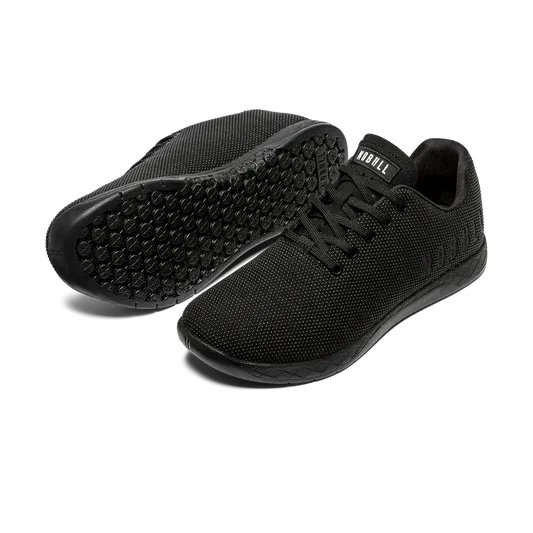
This NOBULL review covers a brand that has built a loyal following among functional fitness athletes by doing the opposite of what most activewear companies do: stripping away the marketing noise and focusing on gear that holds up under genuine punishment. NOBULL makes performance footwear, apparel, and accessories aimed at people who train hard and expect their equipment to keep pace. If you've spent any time in a CrossFit box or a serious strength gym, you've almost certainly seen their shoes on the floor.
NOBULL — At a Glance
What We Liked
- Footwear built for the specific demands of functional fitness and weightlifting
- Apparel line covers training basics without unnecessary bulk or branding
- Strong reputation among serious athletes for durability and honest construction
What Could Be Better
- Narrower appeal outside functional fitness and strength training communities
- Limited lifestyle or casual crossover compared to brands like Nike or New Balance
What NOBULL Makes
NOBULL's catalog centers on three pillars: training shoes, performance apparel, and accessories. The footwear line is the brand's anchor, spanning trainers designed for high-intensity workouts, lifters built for the platform, and runners for athletes who want to cover ground between gym sessions. Their apparel covers the essentials: tees, shorts, socks, hats, and layering pieces built for movement rather than fashion.
The nutrition category is a newer addition, reflecting the brand's broader positioning around physical, mental, and emotional strength (per NOBULL's product page). It's a logical extension for a brand whose core customer thinks about recovery and fueling as seriously as they think about programming. That said, footwear and apparel remain the heart of what NOBULL does, and that's where their credibility is strongest.
Design Philosophy
The brand name is also the brand's ethos. NOBULL was founded on the idea that the athletic apparel industry had become oversaturated with inflated claims, celebrity endorsements, and technology marketing that rarely translated into better performance. The response was gear engineered for function first, with aesthetics following rather than leading.
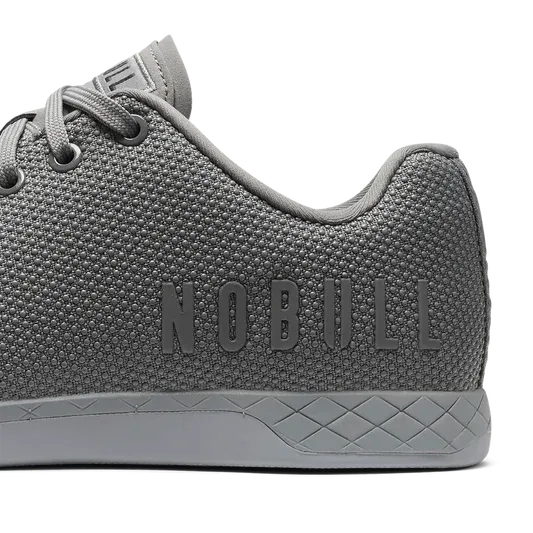
Their trainers are a good example of this in practice. The original NOBULL Trainer became known for its SuperFabric upper, a material that resists abrasion from rope climbs and box jumps in ways that standard mesh simply doesn't. That's a specific problem solved for a specific athlete, not a feature invented for a marketing slide. The result is a shoe that looks understated but earns its reputation through repeated use in demanding conditions.
On the apparel side, the same restraint applies. The Men's NOBULL Tee and performance basics on their site are positioned as workout staples rather than lifestyle statements. There are no oversized logos, no elaborate graphic treatments. The brand trusts that an athlete who trains seriously will appreciate a shirt that moves well and holds its shape over time more than one that looks good on a hanger.
Build Quality and Durability
Among functional fitness athletes, NOBULL has developed a reputation for footwear that genuinely outlasts cheaper alternatives. Owner feedback across fitness forums and verified review platforms consistently highlights durability as the brand's strongest attribute, particularly for the trainers. Athletes who run through multiple pairs of shoes per year because of rope climbs, lateral movements, and heavy barbell work report that NOBULL holds up longer than mid-tier competitors like Reebok Nano or Metcon alternatives at comparable positioning.
The lifter category deserves a separate mention. Weightlifting shoes are a specialized product where construction quality directly affects safety and performance. NOBULL's lifters are built with a raised heel and a stable base designed for squat mechanics, competing in a space occupied by brands like Adipower and Nike Romaleos. They're positioned at the premium end of the functional fitness market, and the construction reflects that.
Apparel durability is harder to verify without long-term testing data, but the brand's focus on performance fabrics over fashion-forward materials suggests that longevity is prioritized. The sock line, including the Everyday Quarter Crew Sock highlighted on their site, rounds out the basics with athletic construction that complements the footwear rather than just filling a catalog gap.
Who NOBULL Is For
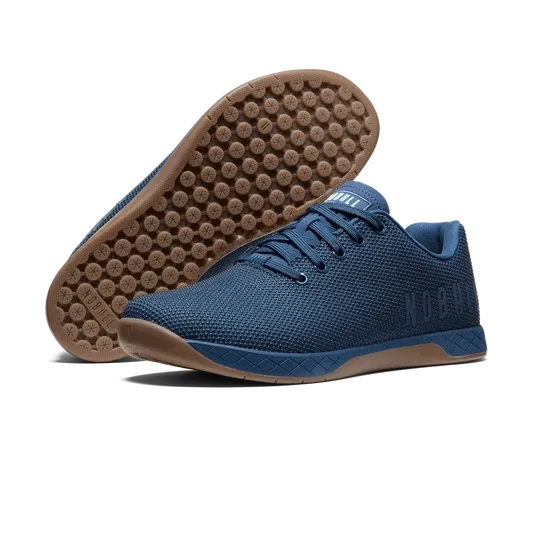
The honest answer is that NOBULL is built for a specific type of athlete, and it doesn't pretend otherwise. If your training involves a mix of barbell work, gymnastics movements, and conditioning, NOBULL's trainers are purpose-built for that context. The same shoe that handles a heavy clean also needs to survive a set of double-unders and a box jump, and NOBULL's design decisions reflect that reality.
Runners who exclusively log road miles will find better options elsewhere. Dedicated weightlifters who never leave the platform might prefer a specialist lifter from Adidas or Nike. Casual gym-goers who want a versatile sneaker that transitions from the treadmill to brunch will probably be better served by New Balance or On Running. NOBULL knows who its customer is, and that focus is both a strength and a genuine limitation.
The apparel line has slightly broader appeal. Training basics like tees, hats, and socks aren't context-specific in the way that shoes are. But the brand's identity is so closely tied to the functional fitness community that athletes outside that world may not feel the same pull toward the brand.
How NOBULL Compares
The most direct comparison in the functional fitness space is Reebok's Nano line, which has been the default trainer for CrossFit athletes for over a decade. NOBULL positioned itself as a challenger to that legacy by offering a different construction philosophy and a brand identity that resonated with athletes who felt the Nano had become too mainstream. Both shoes solve similar problems; the choice often comes down to fit preference and brand affinity.
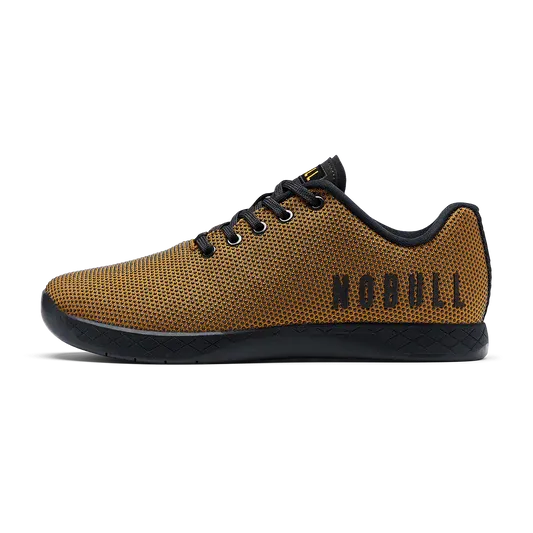
Nike Metcon is the other obvious competitor. The Metcon has a wider retail footprint and benefits from Nike's manufacturing scale, which gives it broad availability and frequent colorway refreshes. NOBULL counters with a more focused identity and a community-driven reputation that feels more authentic to many functional fitness athletes. Spec-for-spec, NOBULL trainers are competitive with both the Nano and Metcon in the categories that matter most for this style of training: lateral stability, durability under abrasion, and heel-to-toe drop suited for lifting.
On the apparel side, Lululemon and Vuori compete in the premium training basics space, but both skew toward lifestyle crossover in a way that NOBULL deliberately avoids. For athletes who want their gear to signal serious training intent rather than athleisure sensibility, that distinction matters.
Pricing and Value
NOBULL sits at the premium end of the functional fitness market. Their trainers are priced above mass-market athletic shoes and roughly in line with Reebok Nano and Nike Metcon at their standard retail points. The lifters and more specialized footwear push further into premium territory, competing with established performance brands that have long held that space.
For athletes who train frequently and demand durability, the value calculation often works in NOBULL's favor. A shoe that lasts significantly longer than a cheaper alternative can represent better value over a training year, even if the upfront cost is higher. That said, for someone who trains two or three times a week at moderate intensity, the premium may not be justified by the performance delta.
The apparel is similarly positioned above fast-fashion athletic brands but below the highest tier of performance apparel. Occasional promotions, like the multi-item deals visible on their site, offer a reasonable entry point for athletes who want to try the brand without committing to full retail on multiple items at once.
Vetted Verdict
NOBULL has earned its reputation in the functional fitness community by making a specific promise and keeping it: no inflated claims, just gear built for hard training. Their footwear is genuinely well-suited to the demands of CrossFit-style workouts, weightlifting, and high-intensity conditioning, and the brand's durability reputation is backed by consistent owner feedback rather than just marketing copy. The apparel line is solid without being exceptional, serving as a reliable complement to the footwear rather than a standalone reason to buy. If you train in a functional fitness environment and want shoes that hold up to the full range of movements that style of training demands, NOBULL belongs on your shortlist. If your training context is different, look at what the brand actually solves before assuming the premium is warranted for your use case.