
PRIMO Rechargeable Hearing Aid
The PRIMO Rechargeable RA801 is a budget-friendly digital hearing aid sold through Hear Better, promising lithium-powered convenience without a prescription.

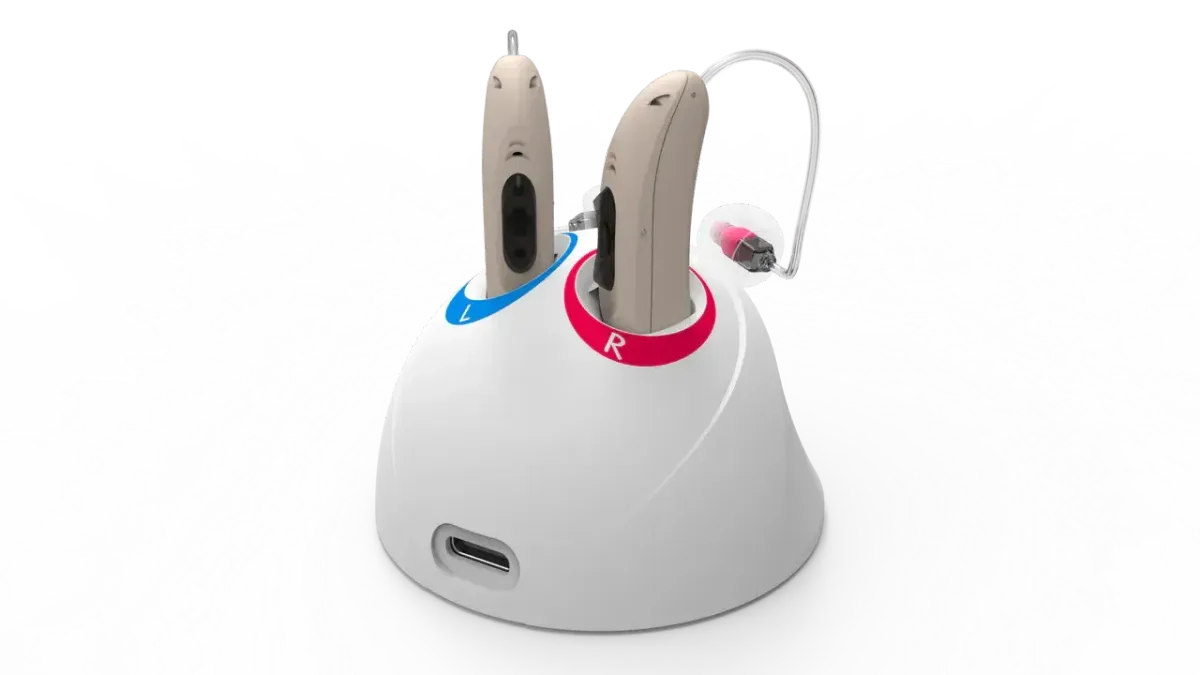
The PRIMO Rechargeable RA801 is an economical digital hearing aid sold through Hear Better, an online retailer stocking aids from brands including Siemens, Signia, Phonak, and New Sound. The RA801 is positioned as an accessible, over-the-counter option for people with mild to moderate hearing loss who want the convenience of rechargeable power without a clinic visit or a four-figure price tag.
PRIMO Rechargeable RA801 — At a Glance
What We Liked
- Rechargeable lithium battery eliminates the hassle of disposable cells
- Lightweight design suited for all-day wear
- Available in both beige and gray colors
- Sold at a fraction of clinic-dispensed hearing aid prices
What Could Be Better
- Best suited for mild to moderate loss only
- No professional fitting or audiologist support included
Design and Build Quality
The RA801 follows a behind-the-ear (BTE) form factor, which remains the most common style for rechargeable hearing aids because it keeps the battery and electronics in a larger housing where there is room for a proper lithium cell. The beige color is the classic, skin-tone option designed to sit discreetly against the ear. Hear Better also offers the RA801 in gray, which tends to look more modern and works well for people with silver or darker hair.
The device is described as lightweight, which matters more than many buyers initially expect. A heavy BTE aid creates pressure on the ear cartilage over a full day of wear, and even a few extra grams compounds noticeably by evening. While Hear Better does not publish an exact gram weight on the product page, the lightweight emphasis is consistent with the slim BTE category, where most quality units land under 20 grams.
Rechargeable Battery
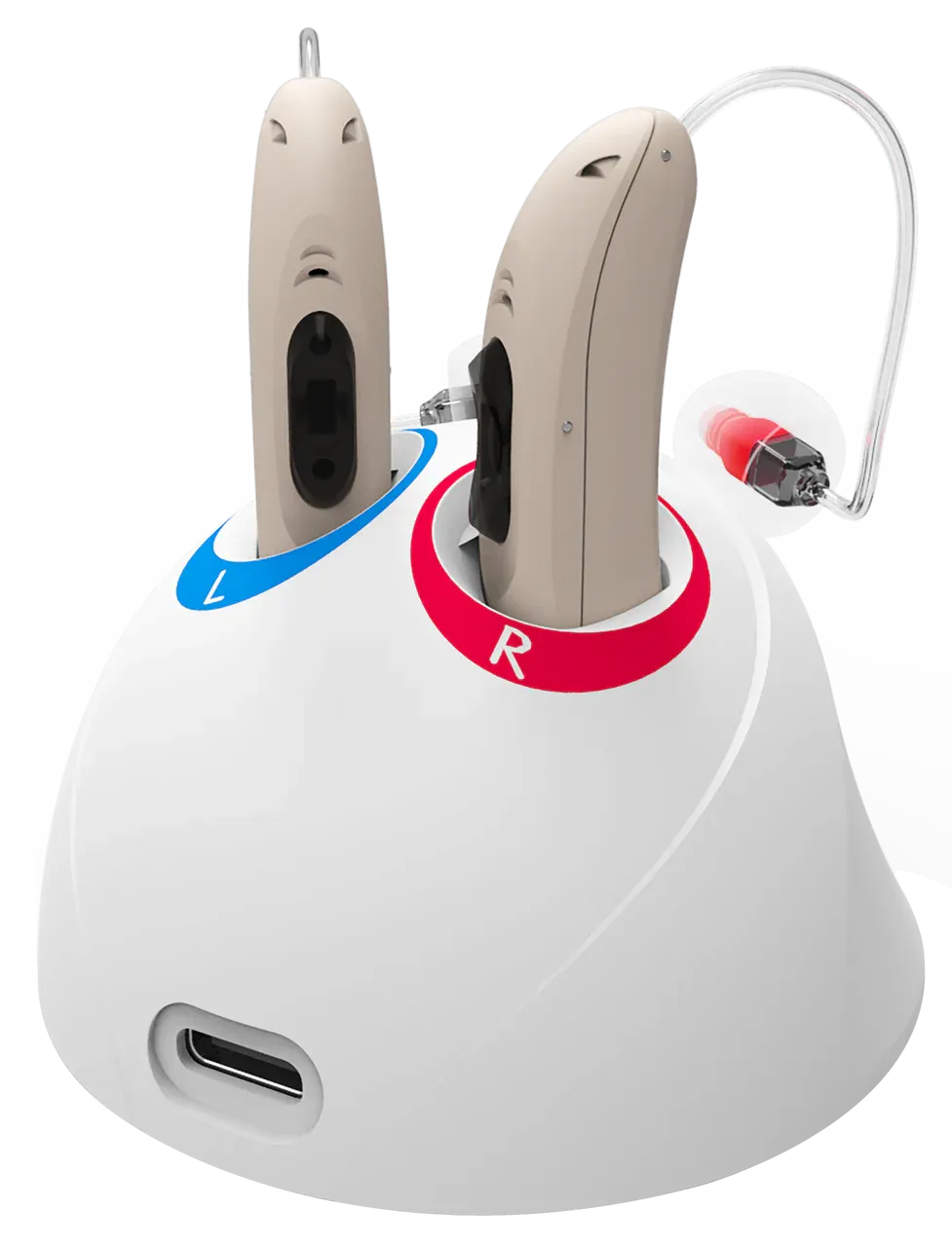
The standout feature of the RA801 is its rechargeable lithium battery, and it deserves more than a passing mention. Traditional hearing aids in this price segment typically run on size 312 or size 10 zinc-air disposable batteries, which last roughly three to ten days depending on usage. That adds up to a recurring expense and a fiddly routine that is genuinely difficult for users with reduced dexterity or vision issues.
Lithium rechargeable technology sidesteps all of that. You dock the aid overnight, and it is ready to go in the morning, much like a smartphone. Lithium cells also hold their charge more consistently than zinc-air disposables, which can fade noticeably in the final day of their cycle. For older adults or anyone managing the device on behalf of a family member, the rechargeable format is a meaningful quality-of-life improvement, not just a marketing checkbox.
It is worth noting that lithium cells do degrade over years of charge cycles. Most lithium hearing aid batteries retain useful capacity for two to four years before performance drops, at which point the aid itself may need servicing or replacement. At the RA801's price point, replacement is often more economical than a battery swap service, so factor that into your long-term cost thinking.
Sound Performance
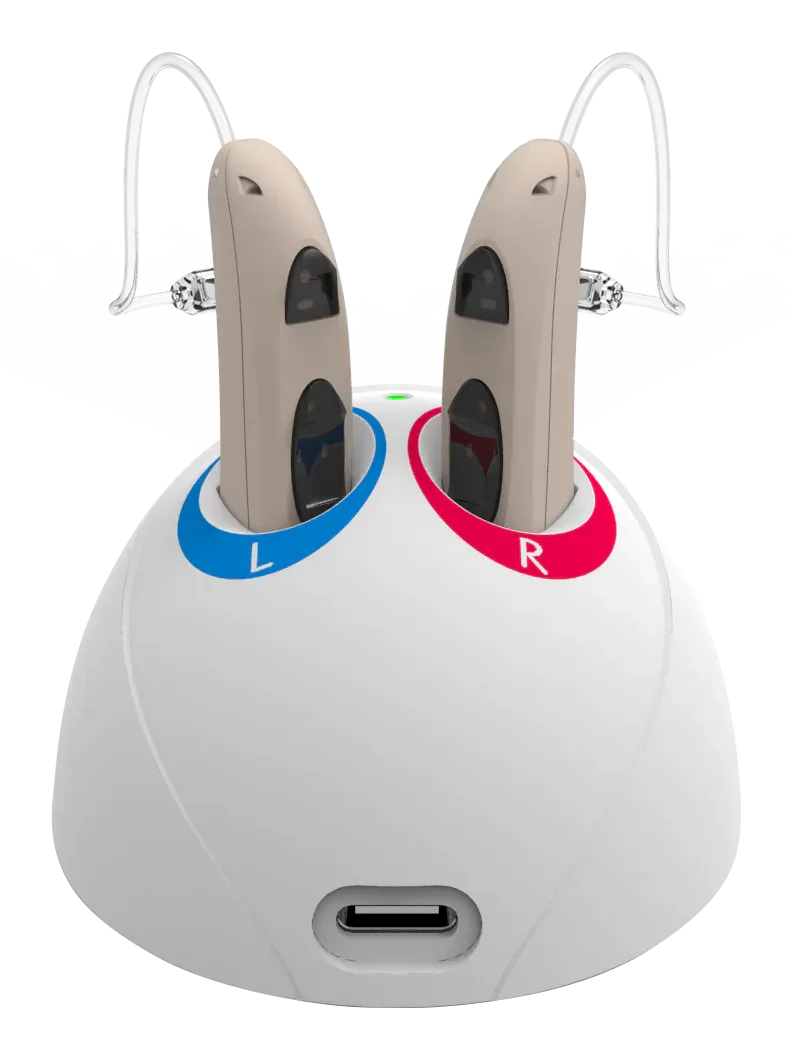
The RA801 is a digital hearing aid, which means it processes incoming sound electronically rather than simply amplifying everything the way an analog device would. Digital processing allows for frequency-specific amplification, meaning the aid can boost the high-frequency consonant sounds (s, f, th) that most people with age-related hearing loss struggle with, without over-amplifying lower frequencies that may already be heard clearly.
Hear Better's product page does not publish a detailed audiogram fitting range or list specific signal processing features like noise reduction bands or directional microphone counts. Based on the positioning and price tier, the RA801 is best understood as a personal sound amplification product (PSAP) or entry-level OTC hearing aid rather than a premium prescription device. That means it will provide meaningful benefit for mild to moderate hearing loss in relatively straightforward listening environments, but users with severe loss or complex audiograms should consult an audiologist before relying on this type of device.
Fit & Comfort
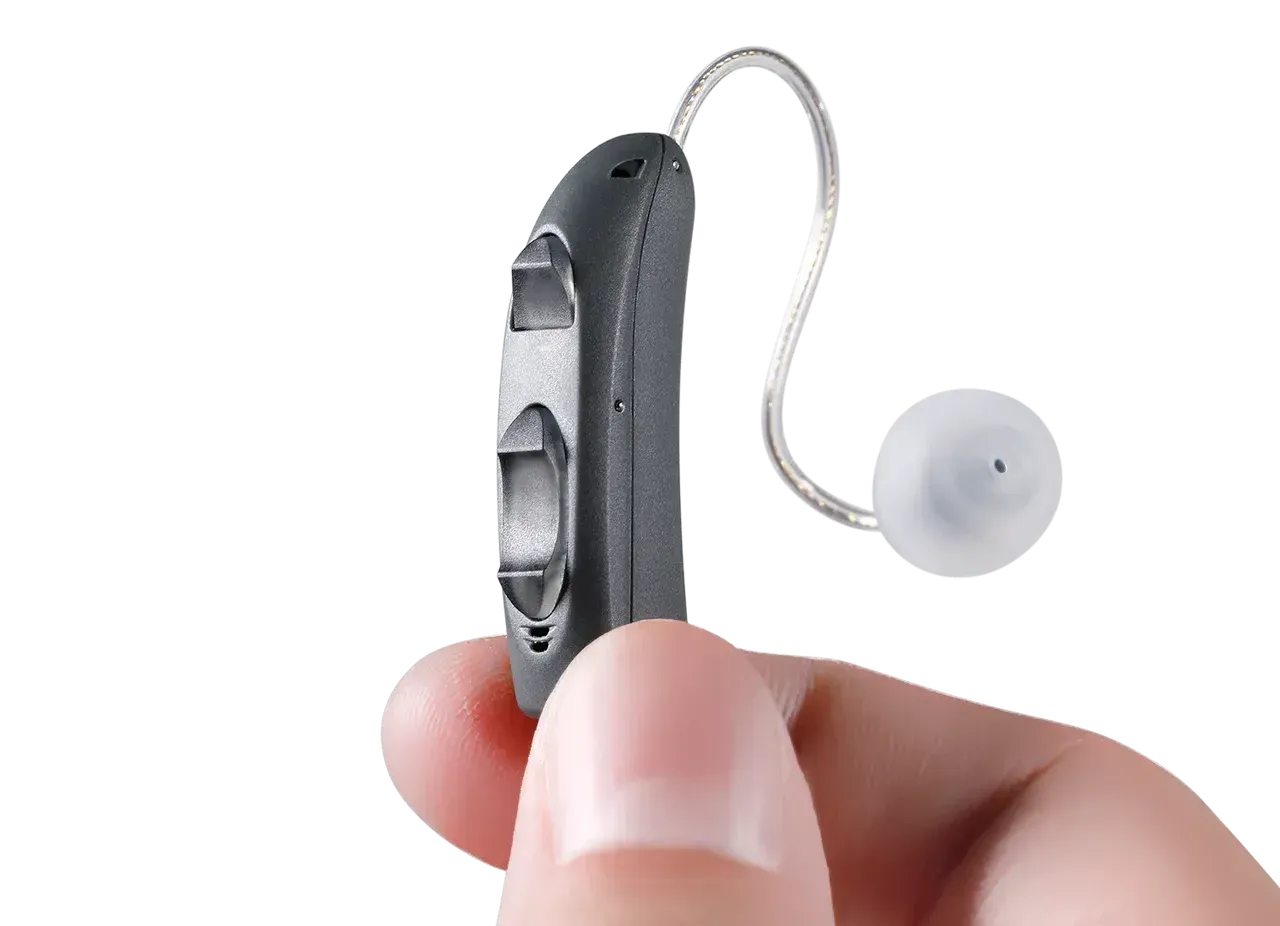
BTE hearing aids use a thin tube or receiver wire to channel sound into the ear canal, with the main body resting on the outer ear. Fit depends heavily on the ear tip or dome, and most devices in this category ship with multiple dome sizes to accommodate different ear canal diameters. A proper seal improves both sound quality and feedback reduction, so spending a few minutes finding the right dome size is worth the effort.
The lightweight construction of the RA801 is a practical advantage for daily wear. Heavier aids can cause the device to slip down the ear, especially during physical activity or in warm weather when perspiration is a factor. A lighter unit stays in place more reliably and causes less fatigue. If you wear glasses, BTE aids require some adjustment to avoid crowding behind the ear, though most users find a workable arrangement quickly.
How It Compares
The rechargeable OTC hearing aid market has expanded significantly since the FDA's 2022 OTC ruling opened the category to direct-to-consumer sales. Competitors at a similar price tier include the Audien Atom and the Otofonix Elite, both of which are also BTE or RIC (receiver-in-canal) rechargeable digital aids. The RA801 competes on the same value premise: skip the audiology appointment, get functional amplification, and keep the cost well below the $2,000-plus threshold of clinic-dispensed devices.
Where Hear Better differentiates itself is in its retailer model. Rather than manufacturing a single proprietary product, Hear Better stocks multiple brands including Siemens and Signia, which means the RA801 exists alongside more advanced options on the same site. If your hearing loss progresses or your needs become more complex, upgrading within the same retailer is straightforward. That continuity has real value for buyers who want a single trusted source rather than starting their search over from scratch.
PRIMO Rechargeable RA801 Key Details
| Feature | Detail |
|---|---|
| Style | Behind-the-ear (BTE) |
| Battery | Rechargeable lithium |
| Colors | Beige, Gray |
| Hearing Loss Range | Mild to moderate (typical for OTC tier) |
| Retailer | Hear Better (hear-better.com) |
| Prescription Required | No |
Who the RA801 Is For
The RA801 makes the most sense for adults with mild to moderate hearing loss who want a no-fuss, rechargeable solution and are comfortable purchasing online without an in-person fitting. It is a reasonable starting point for someone who suspects they have hearing loss but is not ready to commit to a full audiology workup and a premium device. It also works well as a backup or secondary aid for someone who already owns a primary device.
It is not the right choice for people with severe or profound hearing loss, who need a device programmed to a detailed audiogram by a licensed professional. Similarly, buyers who want advanced features like Bluetooth streaming, smartphone app control, or directional microphone beamforming should look at the higher-end options Hear Better carries from Signia or Phonak. The RA801 is a practical, accessible entry point, not a feature-packed flagship.
Vetted Verdict
The PRIMO Rechargeable RA801 delivers on its core promise: a lightweight, digitally processed hearing aid with a rechargeable lithium battery at a price that does not require a second mortgage. The rechargeable format alone sets it apart from disposable-battery competitors at this price tier, and the choice of two colorways shows attention to the kind of detail that actually matters to wearers. It is best suited for mild to moderate hearing loss, and buyers with more complex audiological needs should step up to a prescription device. For everyone else, especially those looking for a practical, low-maintenance first hearing aid, the RA801 is a sensible buy from a retailer with a solid range of options to grow into.