PRUNGO FluxGo Red Light Therapy
The PRUNGO FluxGo combines 850nm polarized laser and 660nm red light in a portable wearable module for targeted pain relief and muscle recovery at home.

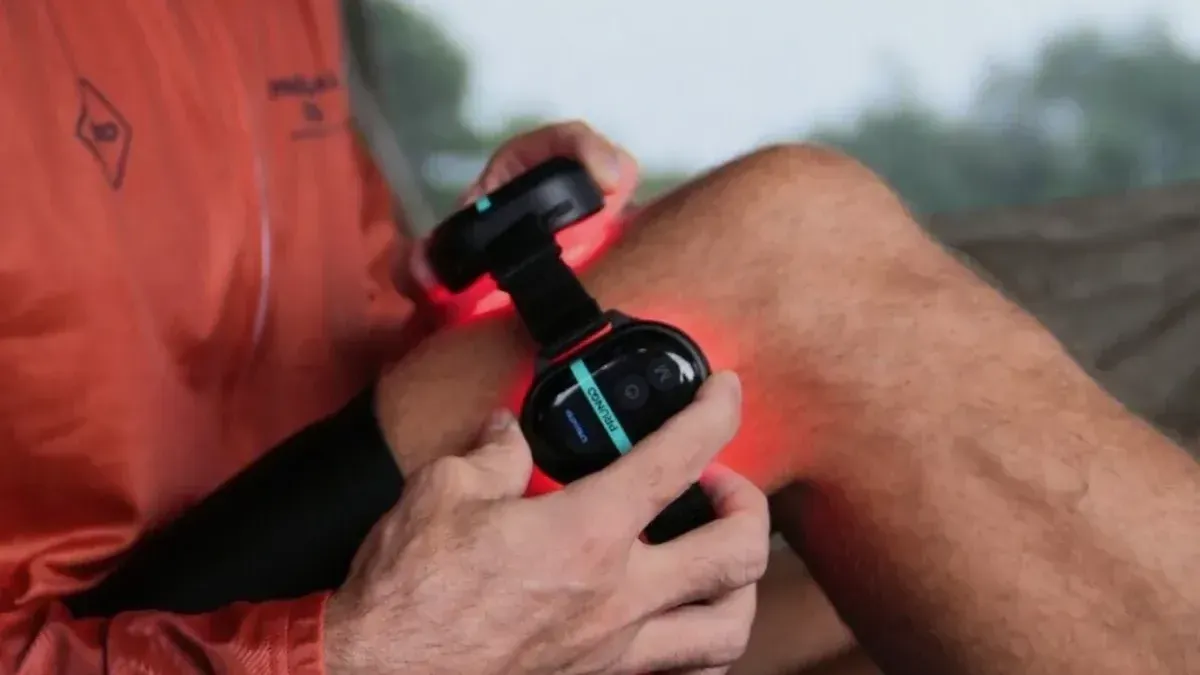
The PRUNGO FluxGo is a wearable red light therapy module from PRUNGO, a company positioning itself squarely in the medical-grade home recovery space. The device combines 850nm polarized near-infrared laser light with 660nm red light to deliver targeted photobiomodulation to specific muscle groups and joints. It's aimed at anyone who wants clinical-style light therapy without scheduling appointments or buying a full-panel setup.
PRUNGO FluxGo — At a Glance
What We Liked
- Dual-wavelength output (660nm + 850nm polarized laser) targets both surface tissue and deeper muscle
- Wearable, portable form factor frees you from standing in front of a panel
- Designed for targeted use on specific pain points rather than full-body coverage
- More accessible price point than clinical red light therapy sessions
What Could Be Better
- Treats one zone at a time, so full-body recovery requires multiple sessions or modules
- Brand is relatively new, with limited long-term owner data available
PRUNGO FluxGo
Red light therapy has been building serious momentum in recovery circles, and for good reason. Peer-reviewed research consistently shows that wavelengths in the 630nm to 850nm range can stimulate cellular energy production (via mitochondrial cytochrome c oxidase), reduce localized inflammation, and accelerate soft tissue repair (per published photobiomodulation literature). The challenge has always been access: full-panel devices are large and expensive, while clinical sessions add up fast.
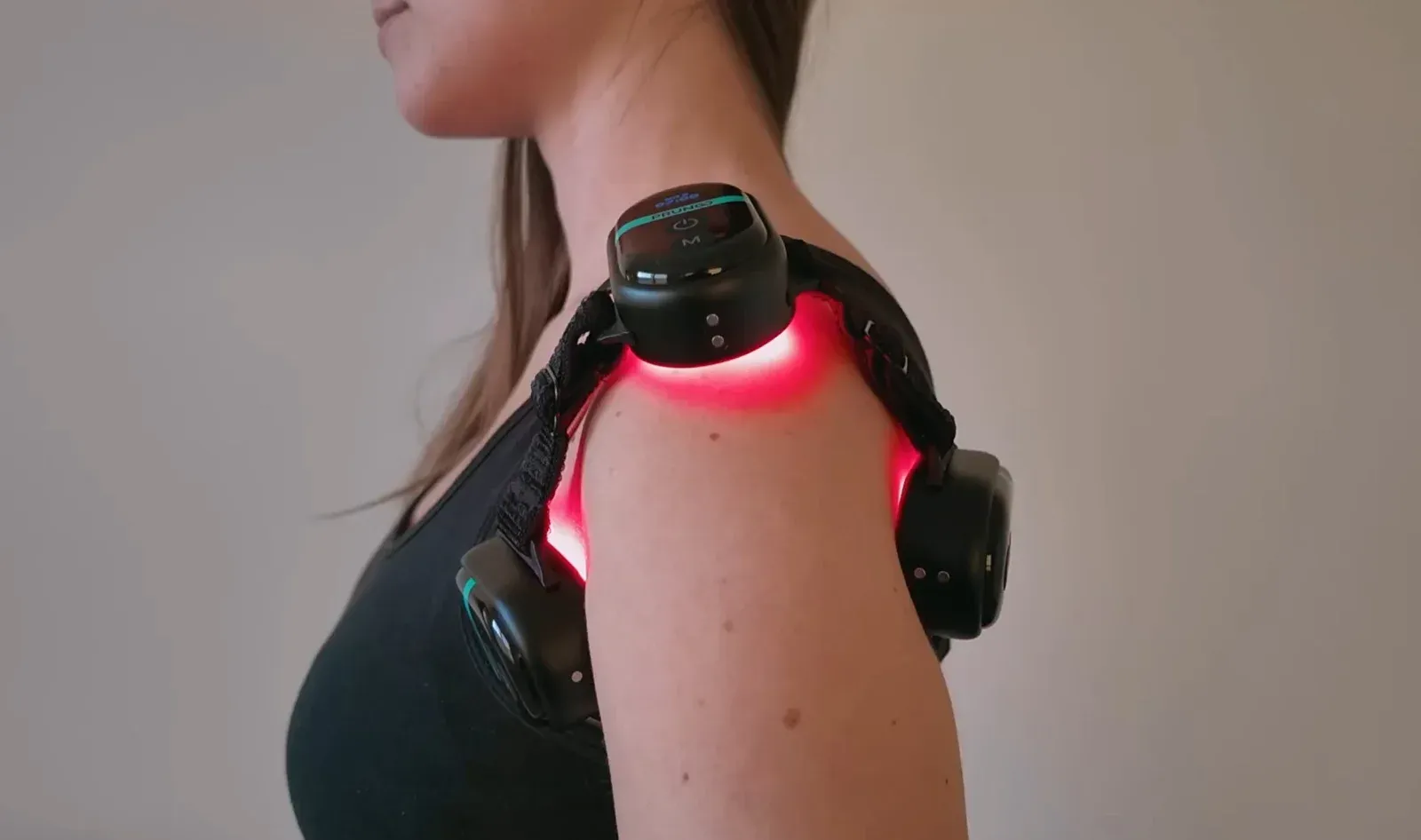
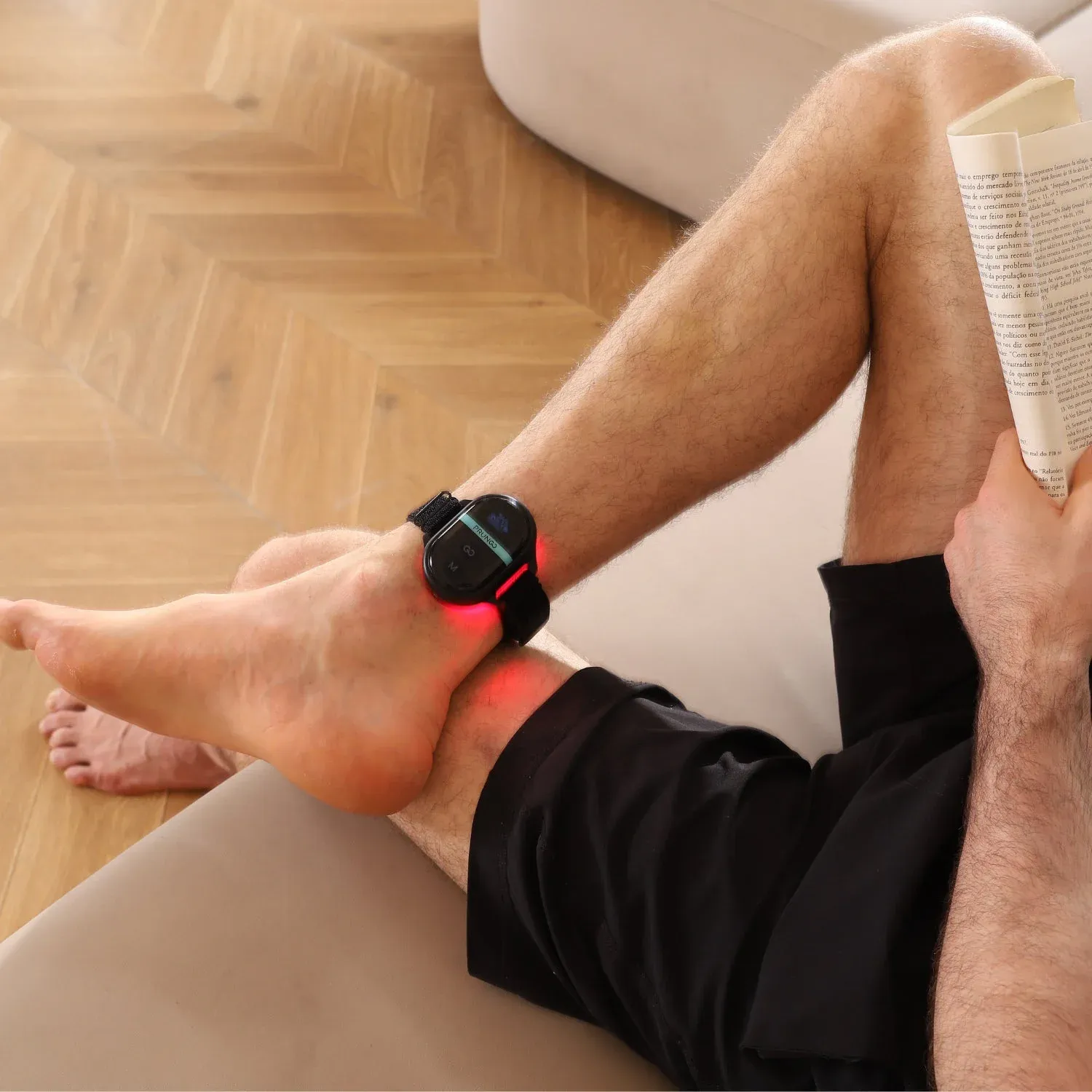
The PRUNGO FluxGo tries to solve that by shrinking the delivery mechanism into a wearable module. Instead of standing in front of a floor-standing panel, you strap the device directly to the target area, whether that's a sore knee, a tight shoulder, or a fatigued lower back. The light is delivered right at the source of discomfort, which is a fundamentally different approach than whole-body exposure.
Design and Form Factor
The FluxGo's design philosophy is built around one idea: proximity. Red light therapy loses intensity quickly with distance, following an inverse-square relationship, so placing emitters directly against the skin is meaningfully more efficient than positioning a panel across the room. PRUNGO leans into this by making the module small enough to wear during light activity, seated work, or rest.
The device is described as portable and wearable on PRUNGO's product page, which opens up usage scenarios that a panel simply can't match. You can wear it while sitting at a desk, watching television, or lying down before sleep. For people who struggle to carve out dedicated "stand in front of the panel" time, that flexibility is a real practical advantage. The form factor also makes it easy to travel with, which matters for athletes or anyone with a demanding schedule.
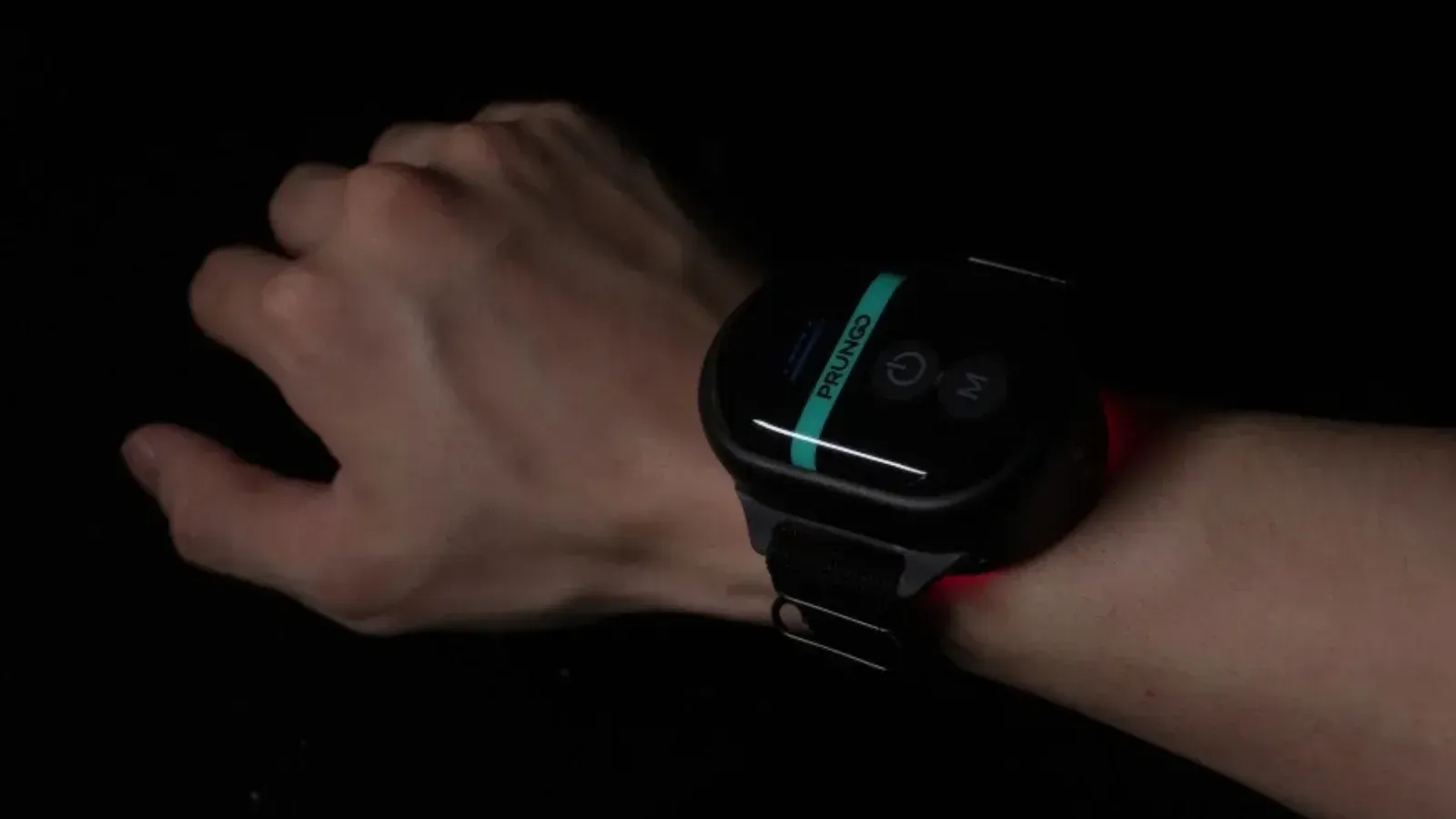
The build appears compact and purposeful rather than bulky. PRUNGO positions this as a professional-grade device for home use, and the design language reflects that: this isn't a consumer wellness gadget dressed up with clinical language. That said, the wearable category is still maturing, and buyers should expect a different aesthetic than the sleek consumer electronics they might be used to.
Light Technology and Wavelengths
The two wavelengths the FluxGo uses are not arbitrary. The 660nm red light sits in the visible red spectrum and is well-documented for its effects on surface-level tissue: skin cells, superficial muscle fibers, and connective tissue near the surface. The 850nm near-infrared component penetrates deeper, reaching muscle belly, tendons, and joint capsules. Using both together gives the device a broader therapeutic window than single-wavelength devices.
What makes PRUNGO's spec sheet stand out slightly is the use of polarized laser at 850nm rather than standard LEDs. Laser sources produce coherent, collimated light that maintains intensity over a narrower beam path, which theoretically improves depth penetration compared to an LED emitting in all directions. This is a genuine technical distinction worth noting, though the clinical literature on laser-versus-LED outcomes at equivalent irradiance levels is still an active area of research.
For context, most consumer red light therapy panels use LED arrays at 630nm to 850nm. Devices like the Joovv Solo 3.0 and Mito Red MitoPRO 1500 deliver high irradiance over large surface areas but require you to stand at a fixed distance. The FluxGo trades surface area coverage for contact-level precision. Neither approach is universally superior; it depends entirely on whether your goal is whole-body exposure or localized treatment.
PRUNGO FluxGo Key Specs
| Spec | Value |
|---|---|
| Red Light Wavelength | 660nm |
| Near-Infrared Wavelength | 850nm (polarized laser) |
| Form Factor | Wearable module |
| Use Case | Targeted pain relief, muscle recovery |
| Coverage | Localized / single zone per session |
| Device Type | Medical-grade home use |
Performance and Targeted Recovery
PRUNGO's messaging centers on three outcomes: precision pain relief, faster muscle recovery, and targeted healing. These align well with what the photobiomodulation research actually supports for localized red and near-infrared light at therapeutic irradiance levels. The key phrase there is "therapeutic irradiance levels," because not all consumer devices actually deliver enough energy density (measured in mW/cm²) to produce the biological effects shown in studies.
PRUNGO positions the FluxGo as medical-grade, which implies the device is designed to hit irradiance thresholds that matter clinically rather than just emitting visible red light for show. Owner sentiment around the device skews positive for use cases like joint soreness, post-workout muscle fatigue, and chronic localized pain. Users report the wearable format makes consistent daily use much easier to maintain than panel-based routines, and consistency is arguably the most important variable in red light therapy outcomes.
Session length recommendations for red light therapy typically fall in the 10 to 20 minute range per target area, based on published dosing guidelines. The FluxGo's wearable design makes it easy to hit that window without interrupting your day. That's a meaningful advantage for anyone who has tried and abandoned a panel setup because it felt like too much of a production.
Who the FluxGo Is For
This device makes the most sense for people with specific, recurring pain points or recovery needs: a runner with persistent knee soreness, someone managing lower back tightness, an athlete dealing with shoulder impingement between training sessions. If your goal is broad, full-body photobiomodulation for general wellness or skin health, a larger panel will cover more area per session and may be a better fit.
The FluxGo also suits people who travel frequently or who simply don't have space for a floor-standing panel. A compact wearable module is easy to pack and doesn't require dedicated floor space or wall mounting. For home users who want something they can use on the couch at the end of the day, the barrier to actually using it is much lower than with larger systems.
It's worth being honest about one limitation: treating multiple body zones in a single session requires either multiple modules or sequential repositioning. If you're managing widespread soreness after a hard training block, a full-body panel session may be more time-efficient. The FluxGo is a precision instrument, not a broad-coverage solution.
How It Compares
The wearable red light therapy category is still relatively small. Most of the competition comes from either full-panel brands that have added smaller handheld attachments (like Joovv's handheld accessory) or lower-cost LED wrap products that don't specify irradiance or use clinical-grade components. The FluxGo's use of polarized laser at 850nm is a more specific technical claim than most competitors in the wearable space are making.
On price, PRUNGO positions the FluxGo as a professional-grade device at a home-use price point, which typically means it sits above entry-level LED wraps but below the multi-hundred-dollar panel systems. For buyers who want targeted treatment rather than whole-body exposure, that's a reasonable value proposition. Paying for panel square footage you don't need doesn't make financial sense if your recovery goals are localized.
Vetted Verdict
The PRUNGO FluxGo is a well-conceived device for anyone who wants targeted, localized red light therapy without the footprint or cost of a full panel system. The dual-wavelength approach (660nm red plus 850nm polarized near-infrared laser) is grounded in solid photobiomodulation science, and the wearable form factor solves a real problem: making consistent daily use actually achievable. It's best suited to people with specific, recurring pain points or post-workout recovery needs in defined areas. If you're looking for whole-body coverage, look at a panel; if you want precision treatment you can wear while going about your day, the FluxGo is one of the more technically credible options in the wearable red light category right now.