Red Light Pro Devices: Pain Relief & Recovery

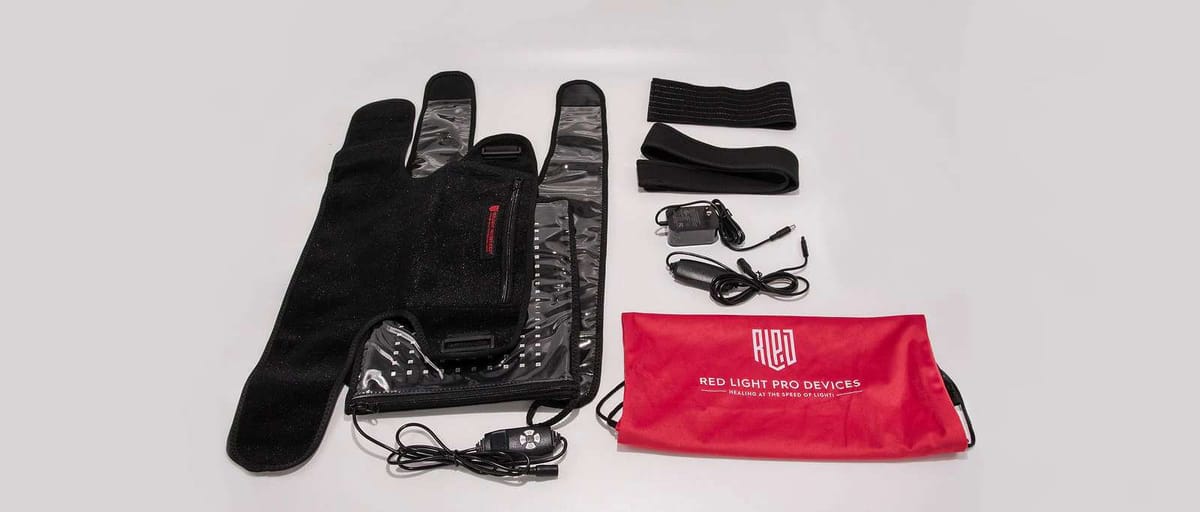
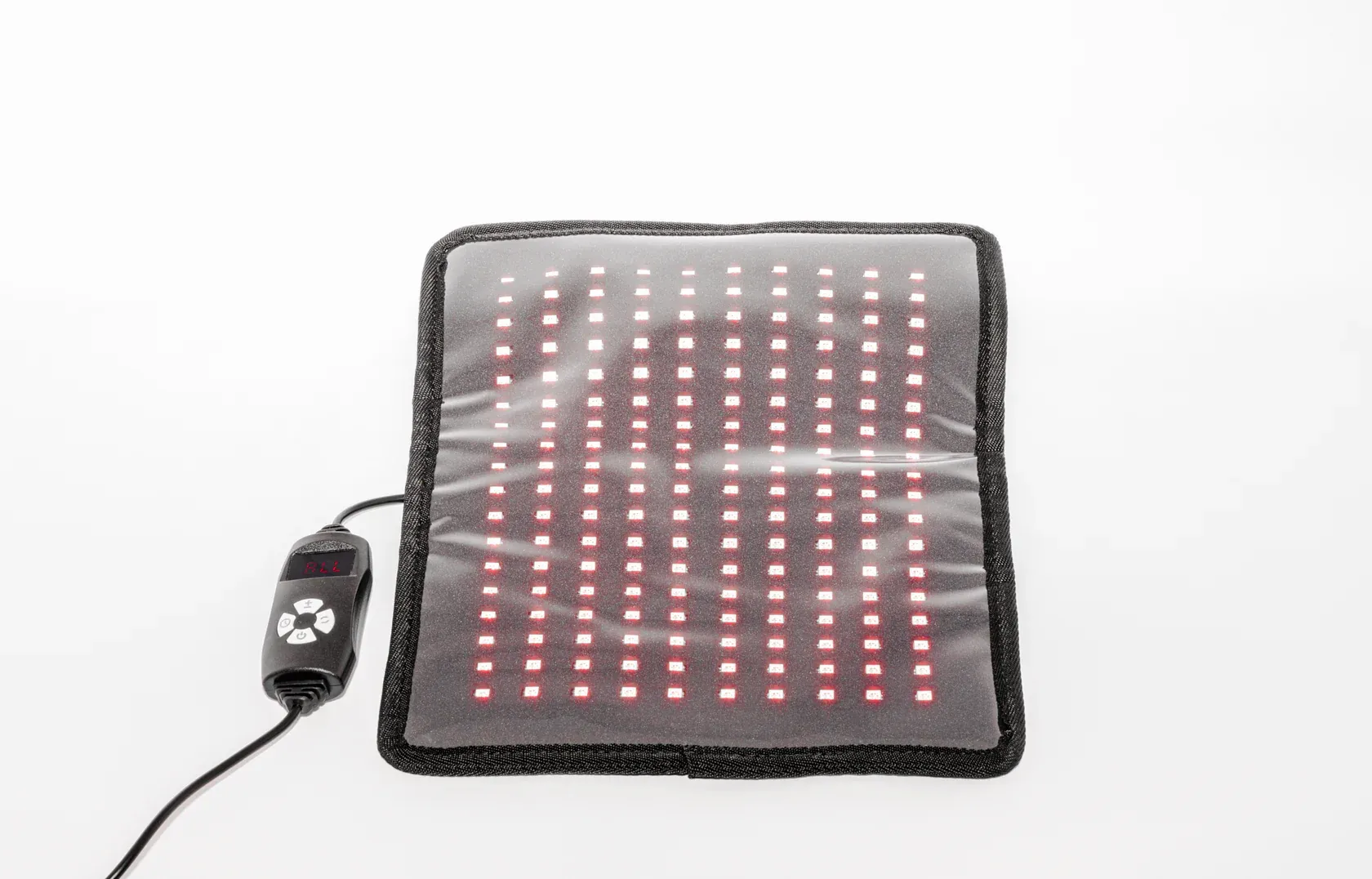
The Red Light Pro Devices Pain Relief & Recovery pad is a small yet versatile red light therapy pad. It measures 11x7 inches and packs 540 LEDs that run both 660 nanometer red light and 850 nanometer near-infrared. People usually use the pad for around 15 minutes per session. It is powered by a twelve volts and it can be used with the included wall plug or car adapter. The pad ships with a cover for general use, a knee cover, and a shoulder cover.
How the pad is used
This is a flexible light therapy pad that targets small zones like knees and shoulders. It brings clinic style wavelengths home so that you can . Beginners pick it up for soreness and skin glow goals. Casual users like the quick routine and the ability to watch a show while it runs. Coverage is localized so it is best for one joint or a small patch at a time. If you want whole body coverage this is not the tool. If you want a tidy routine for a cranky knee or a tight shoulder it fits well. It also travels easily and plugs into a car. Expect warmth not heat. Think targeted relief for joints and small muscle groups. Plan for regular use since consistency matters more than a single long blast.
design fit and what you get
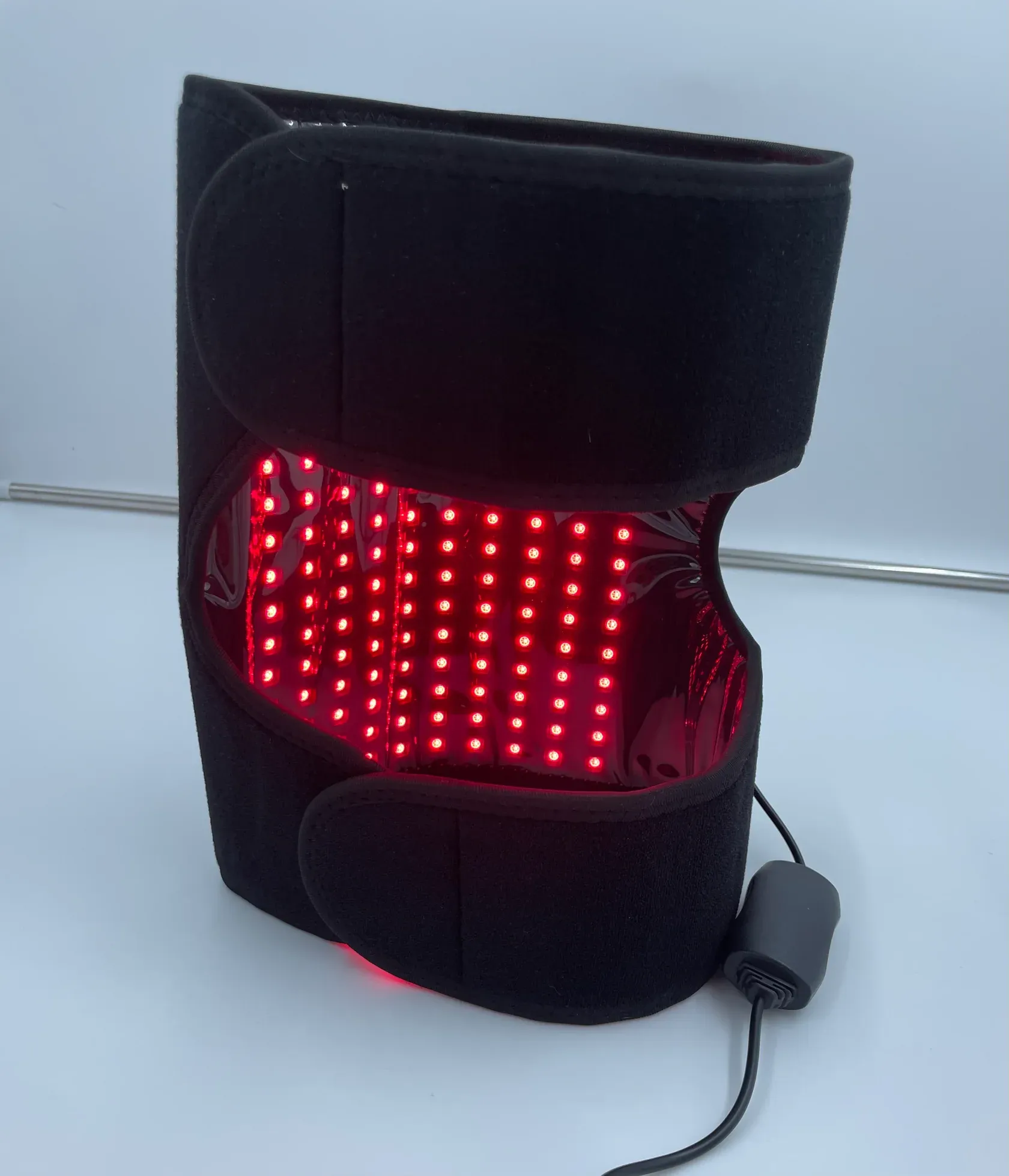
The pad is soft with stitched channels and evenly spaced diodes that sit right on the skin. Three fitted covers shape the contact area for knee and shoulder plus a general sleeve for flat zones. That contact matters since light drops fast with distance. The controller is basic with on off and a timer that tops at about 15 minutes. Build quality is solid for a soft product and the wiring strain relief looks thoughtful. The pad warms but does not cook so comfort stays good even on bare skin. Cleaning is a wipe down job. Stow it flat and avoid tight bends to protect the traces.
660 and 850 nanometers
Red at 660 nanometers targets surface tissue like skin and the upper layer of muscle. Near-infrared at 850 nanometers travels deeper and reaches tendons and joint capsules more easily. These ranges show up again and again in photobiomodulation research because they hit that sweet spot for cellular energy transfer. Beginners do not need to memorize power density math to benefit. Distance and time are the levers that matter most at home. Contact or near contact boosts dose. Short daily sessions stack up over a week like compound interest. Expect gentle warmth and a pink glow that fades quickly.
Use cases
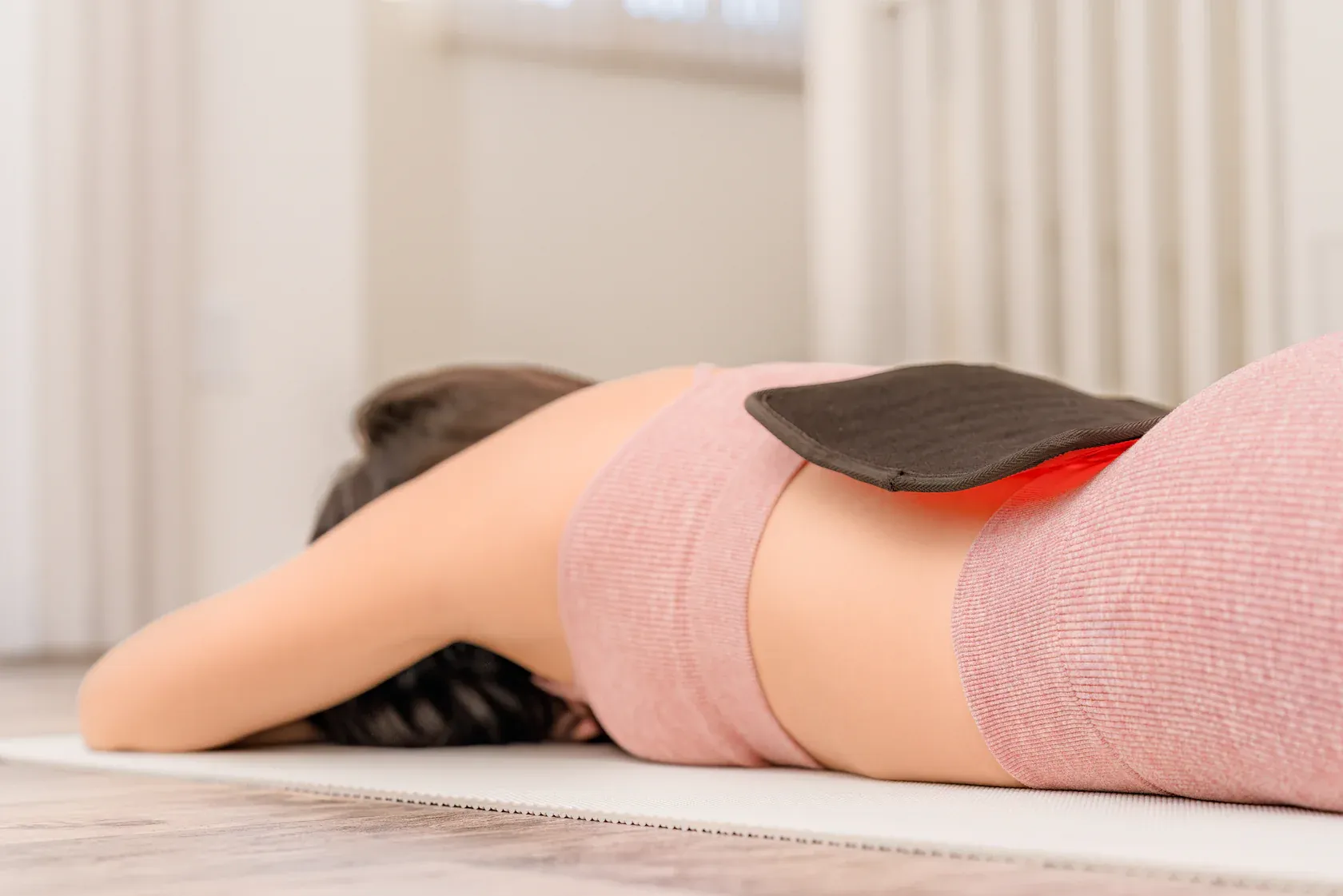
Knees and shoulders are the big wins since the pad wraps cleanly around those shapes. Many use it for sore quads after rides and for tight hamstrings after runs. Desk workers park it on a low back for a quick break. Others chase skin tone and fine lines on the face but limit heat and avoid direct eye exposure. Some place it on the jaw after long calls or on the forearm after gym work. Recovery use pairs well with light stretching or a gentle massage. It can take the edge off chronic grumbles when used most days. Big structural issues still need a clinician.
Does it work?
The science for red and near-infrared light is promising for pain and recovery when dosing is consistent. Clinical studies show reduced discomfort and improved function across common joint and soft tissue problems. Skin studies report small but real gains in texture and brightness with steady schedules. Home outcomes vary since every device has a different output and fit. Pads trade raw intensity for contouring which boosts real dose in the zone. Expect gradual change rather than immediate gains. Most people who are happy with light therapy set a daily habit and reassess after four weeks.
Safety
LED light is non ionizing and low risk for healthy skin. It is always good to be extra cautious with your eyes, so avoid staring into the lit pad and use simple eye shields for face work. People with light sensitivity should start with short sessions. Anyone who is pregnant or treating cancer or other serious illnesses should consult a doctor before use. Do not use on open wounds or infected skin without clearance. Keep the controller dry and skip use in bed to avoid falling asleep and rolling onto the unit. Skin may feel warm or a little tingly when using the pad, this is normal. If you feel heat building too much, just pull back for a moment and let it cool.
Daily routine
Pick one area that you want to concentrate on for each session and try to use it with contact or near contact. Start with 10-15 minutes once per day, then add a second session for stubborn spots. Stack it with movement since light and gentle exercise play nice together. Hydrate before and after because comfort improves with good circulation. Keep the pad flat in storage and give the cable some slack at the exit point to keep it from having issues in the long run. Make a tiny checklist so you do not skip days. Many users pair morning sessions for stiffness and evening sessions for soreness. It helps to keep a journal to track the gains since they aren't always as obvious in the long run since the journey is often forgotten.
Warranty & support
Soft pads are meant to bend, but they should be bent gently because over time the bending can be the weak point for any flexible circuit. This one feels better than the bargain wraps you see in big marketplaces. Stitching and edge binding are tidy and the covers slide on without snagging. The pad warranty is 9 months and the controller is 12 months which is pretty standard. Treat it like a yoga mat for care and it should hold up. Wipe the surface after sweaty sessions. Never fold it sharply or jam it into a tight bag. A simple mesh sleeve keeps dust away. Replacement parts are available (which helps long term value).
Vetted Verdict
Pros include a flexible build that actually fits joints and a simple timer that makes sure you put in the time needed. Coverage is ideal for knees and shoulders, and the car adapter adds travel freedom. The light combo included in the pad is the gold standard for at home use. It covers one zone at a time which is right for focus, but this could be slow for full body goals. The good news is that RLPD offers larger pads should you need to cover more ground quickly. If you build a routine with using the pad regularly and treat it with care, this pad feels like a steady helper.