Relax the Back Review: A Physician-Founded Catalog Built Around Spine Health
Relax the Back has specialized in physician-backed ergonomic and pain-relief products since 1984, from zero gravity recliners to Tempur-Pedic mattresses and massage chairs.

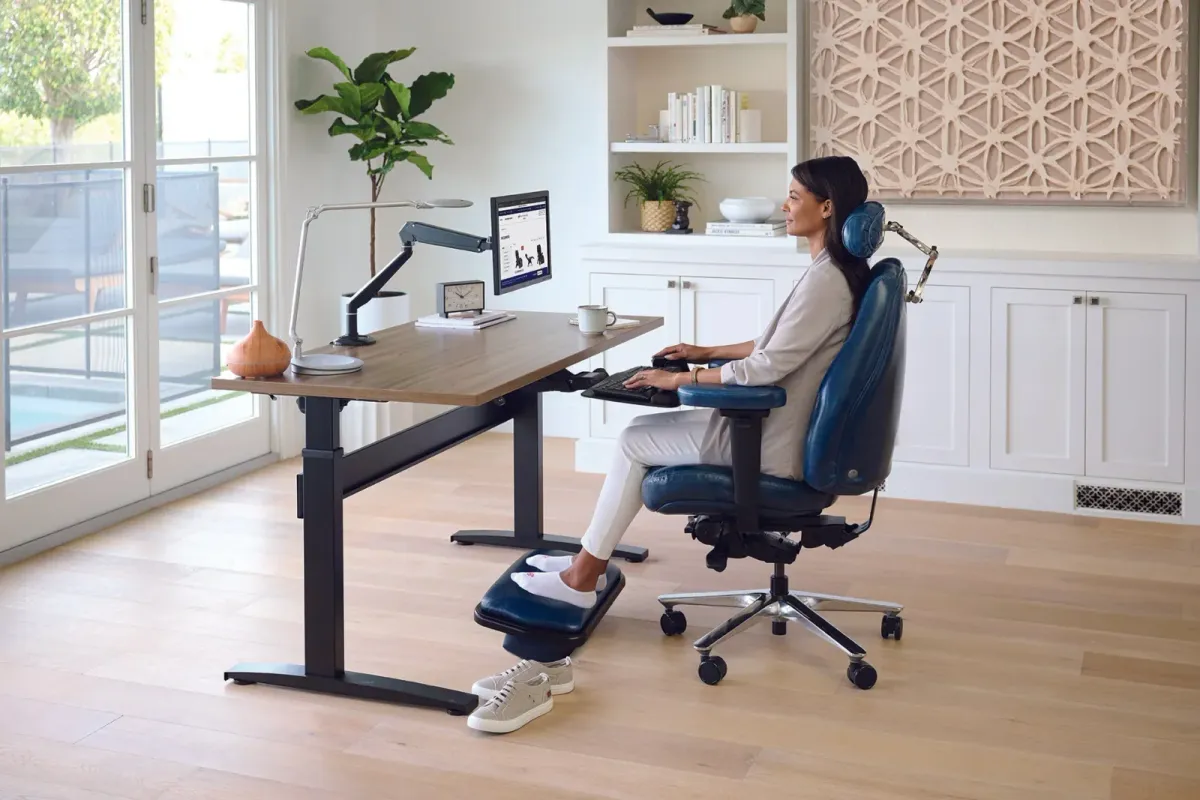
Relax the Back was built on a specific premise: that people dealing with neck and back pain shouldn't have to hunt through general retailers to find products that actually address the problem. An osteopathic physician founded the brand in Austin, Texas, in 1984 specifically to make self-care solutions more accessible to his patients. Today, the company operates both retail franchise locations and an e-commerce catalog that spans ergonomic office furniture, zero gravity recliners, massage chairs, Tempur-Pedic mattresses, and therapeutic accessories.
Relax the Back — At a Glance
What We Liked
- Physician-founded with a curated catalog focused on back and neck pain relief
- Carries recognizable third-party brands like Tempur-Pedic alongside its own proprietary lines
- Zero gravity and massage seating options span entry-level to premium
- Knowledgeable in-store staff praised for personalized guidance
What Could Be Better
- Specialty focus means a narrower product range than general furniture or mattress retailers
- Premium ergonomic products sit at the higher end of the category budget-wise
The Curation Philosophy
One of the more honest taglines in specialty retail is Relax the Back's own: "We don't carry everything. We carry what works." That's not marketing filler — it reflects a deliberate decision to stock a tightly edited range of products vetted through a therapeutic lens rather than a merchandising one. The brand moved into franchising in 1989 with backing from the medical community, which shaped an identity that leans on clinical credibility rather than trend-chasing.
That curation cuts both ways. Shoppers who want a single destination for every home furnishing need will find the catalog narrow by design. But for someone whose primary concern is lumbar support, spinal decompression, or chronic discomfort during seated work, the focused inventory is genuinely useful. Every category on the site connects back to the same core problem the founder set out to solve.
The Perfect Chair Line
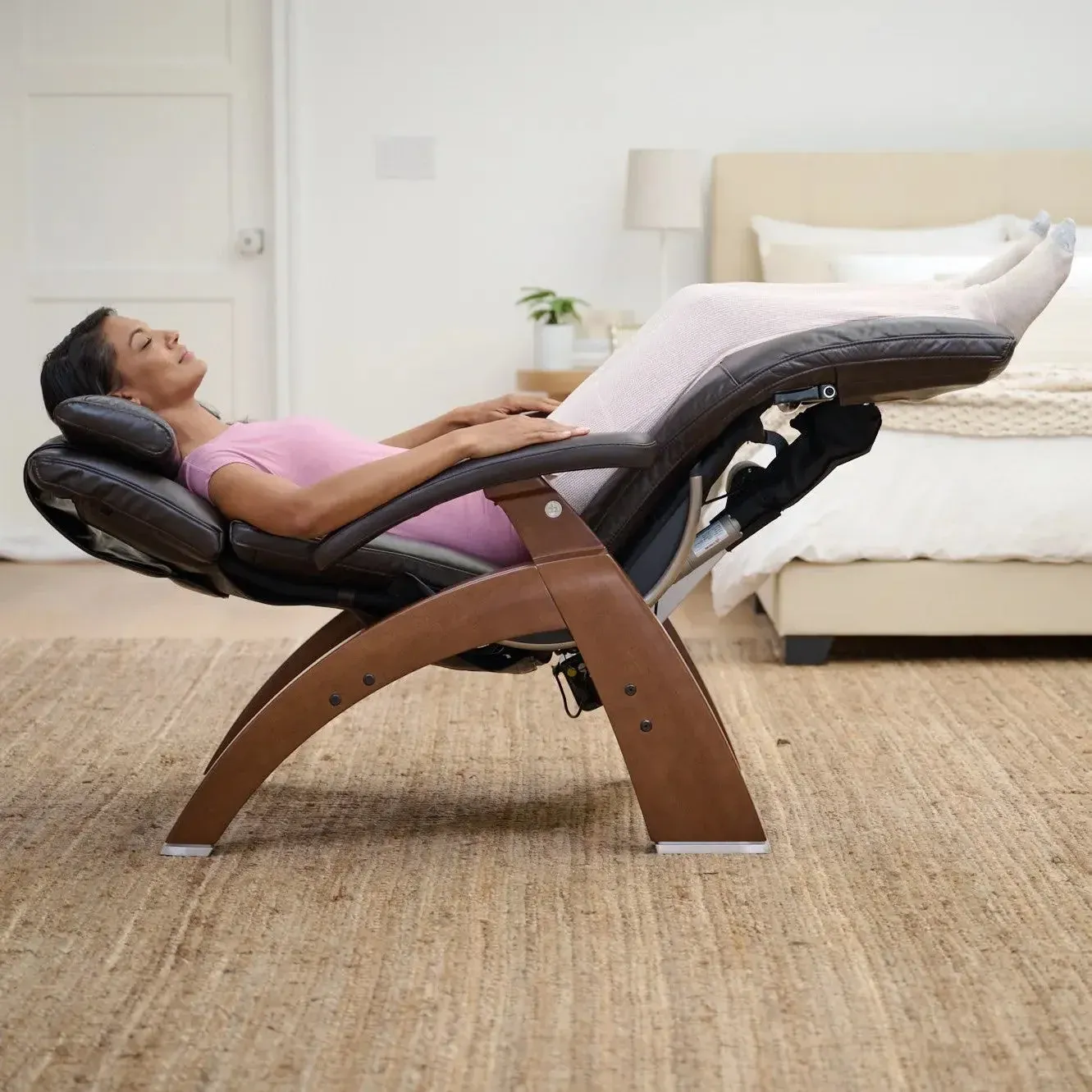
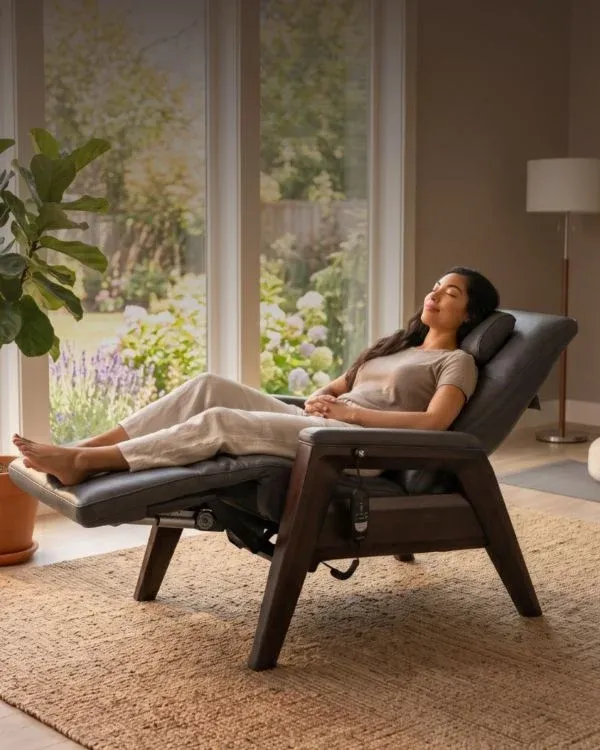
The brand's most distinctive proprietary product is the Perfect Chair recliner series, which uses a zero gravity position to distribute body weight across the seat and reduce compressive load on the lumbar spine. The lineup currently includes models like the PC-365 Classic Power Recliner and the PC-610 Omni-Motion Classic Recliner, with variations in motion range, upholstery, and power controls. The zero gravity position itself (knees elevated above heart level) draws from NASA research on neutral body posture and has become a widely used design principle in therapeutic seating.
Customers on review aggregators highlight the craftsmanship and comfort of these chairs, with particular attention to the zero gravity seating experience. That's meaningful feedback for a product category where comfort claims are easy to make and hard to verify without sitting in the chair yourself. The in-store franchise model actually serves buyers well here: you can evaluate the recline angle and lumbar feel before committing.
Massage Chairs and Motorized Relief
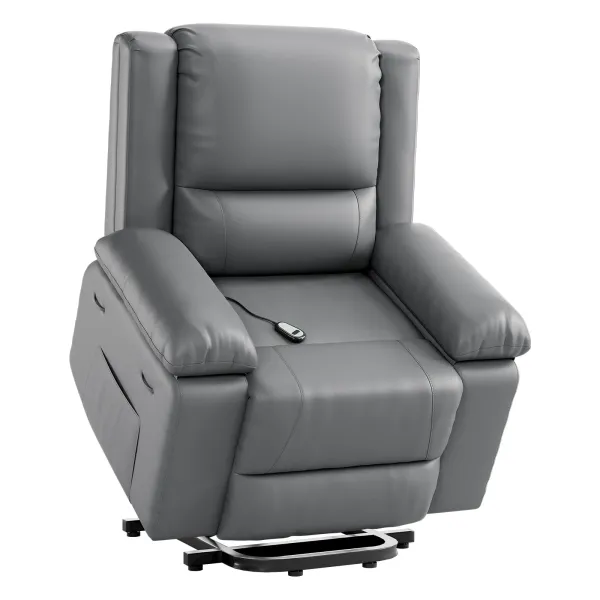
Relax the Back carries a range of massage chairs, including the Quantum Massage Chair and the Super Novo X. These sit at the premium end of the home massage chair category, which is a crowded and often confusing market. The brand's editorial role (curating rather than manufacturing most of these) means the selection reflects choices made with therapeutic intent rather than margin optimization.
The Reflex SOL Foot and Calf Massager is prominently featured as a current promotional item, which signals that the catalog extends well beyond major seating. Targeted massage tools for specific body regions are a practical entry point for shoppers not ready to invest in a full massage chair but still looking for structured relief from daily discomfort.
Ergonomic Office Furniture
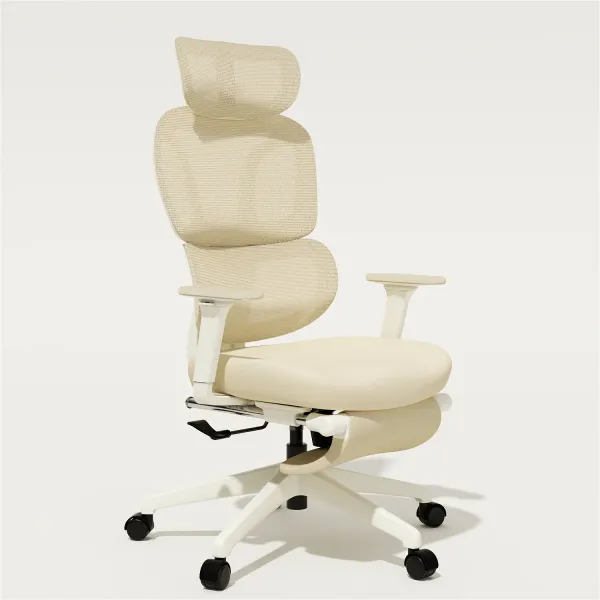
The ergonomic office category has become intensely competitive in the last decade, with brands like Herman Miller commanding significant mindshare among remote workers willing to spend for quality. Herman Miller's Aeron, for instance, uses an elastomeric mesh suspension in place of foam and comes in three fit-specific sizes. Relax the Back approaches office seating from a different angle: rather than emphasizing design pedigree or mesh technology, the focus stays on back pain prevention and lumbar support as the primary selection criteria.
Slumbersearch's collected reviews specifically note that shoppers report lower back pain relief from the office chairs in the Relax the Back lineup. That's a more specific outcome claim than you typically see in general office furniture reviews, where comfort is assessed in broader terms. For a buyer whose motivation is managing an existing condition rather than simply upgrading a chair, that specificity matters.
Multiple reviewers on comparison platforms praise the in-store staff for knowledgeable, personalized assistance when selecting office seating. This is worth noting because ergonomic chair selection is genuinely difficult to do well online: fit variables like seat depth, lumbar height, and armrest positioning interact with individual body proportions in ways that a product page can't fully address.
Tempur-Pedic Mattresses and Sleep Products
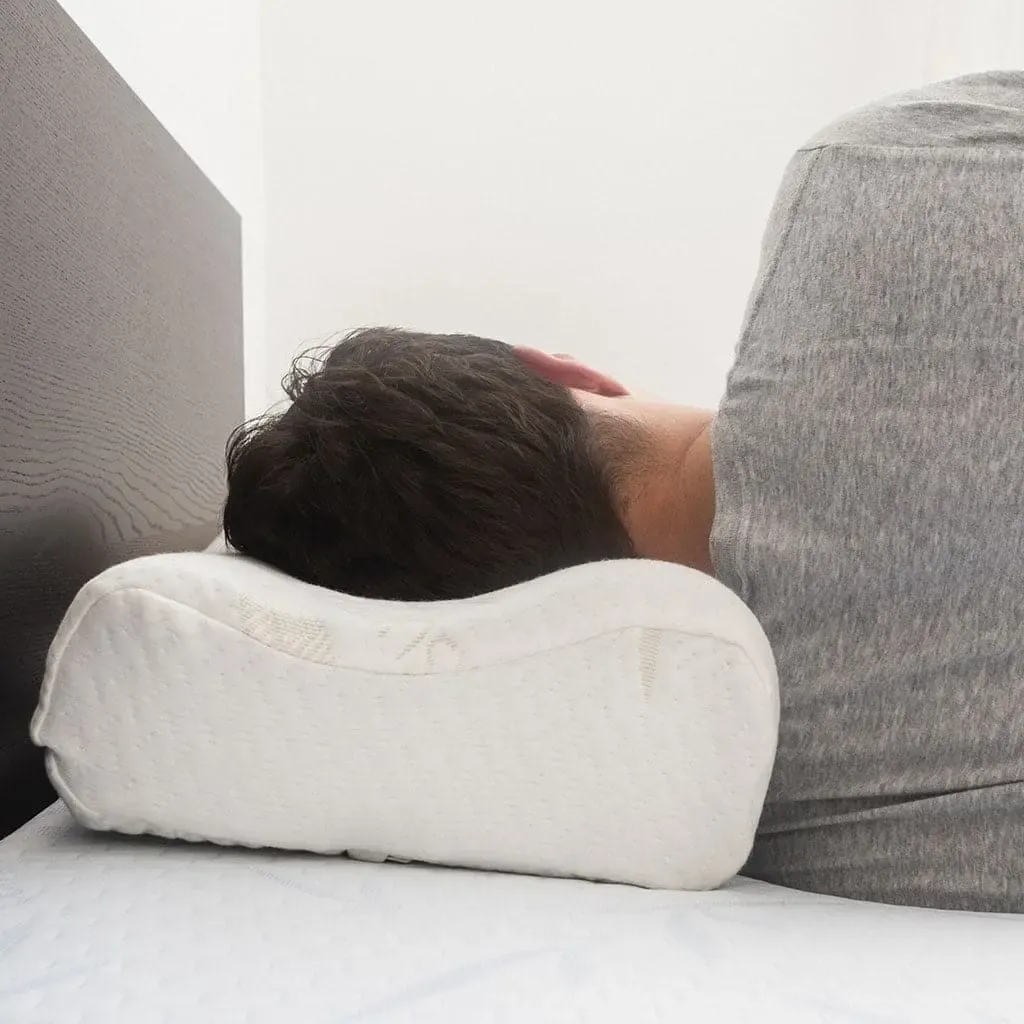
Relax the Back carries Tempur-Pedic mattresses, including the TEMPUR-LuxeBreeze Medium Hybrid, as part of its sleep category. Stocking Tempur-Pedic is a deliberate positioning choice: it's one of the most recognized names in pressure-relief sleep surfaces, and it fits the brand's therapeutic framing more naturally than a budget foam mattress would. Ergonomic pillows round out the sleep section, extending the spine-health focus into overnight recovery.
This is an area where the curated model makes particular sense. Mattress retail has become overwhelming, with dozens of direct-to-consumer brands competing on nearly identical foam specs. Relax the Back sidesteps that noise by carrying a single well-regarded line and contextualizing it within a broader approach to back health rather than treating it as a standalone purchase.
Inversion Tables and Therapeutic Accessories
Inversion therapy occupies a specific niche in back pain management: the idea is that briefly inverting the body reduces gravitational compression on spinal discs. It's a practice with genuine clinical interest behind it, though it isn't appropriate for everyone (people with certain cardiovascular conditions or glaucoma are typically advised against it). The fact that Relax the Back carries inversion tables is consistent with its broader philosophy of stocking products that address the mechanics of back pain rather than simply masking discomfort.
The accessories category extends to ergonomic pillows and other targeted support products. These lower-commitment items serve a useful function in the catalog: they give first-time buyers an accessible entry point and allow existing customers to extend the brand's approach to parts of their day beyond the office chair or recliner.
Who Shops Here and Who Should Think Twice
The buyer Relax the Back is built for has a specific problem: chronic or recurring back and neck discomfort that general furniture and mattress retailers aren't set up to solve. That might be someone managing a diagnosed spinal condition, a remote worker whose current chair is contributing to daily pain, or simply a person who has decided to treat their spine as worth investing in before a problem develops. The franchise retail model, with its trained staff and floor models to test, is particularly well suited to that buyer.
Shoppers looking for the widest possible selection, the lowest price point in a category, or a purely online-native buying experience may find the brand's specialty focus limiting. The catalog is not trying to compete with mass-market furniture retailers on breadth or with direct-to-consumer mattress brands on price. It occupies a distinct position: fewer products, higher therapeutic specificity, and a retail experience built around consultation rather than browsing.
Vetted Verdict
If back or neck pain is the actual driver behind a furniture or sleep purchase, Relax the Back is one of the few retailers whose entire catalog is organized around that problem. The physician-founded origin isn't just a founding story; it shaped a curation model that keeps the product range focused and the staff training oriented toward outcomes rather than upselling. The Perfect Chair recliners and the ergonomic office seating are the strongest reasons to shop here, with Tempur-Pedic mattresses and massage chairs rounding out a catalog that holds together thematically in a way most furniture retailers don't. Buyers who want the lowest price in any given category or a massive selection of styles will look elsewhere, but for someone who wants to be pointed toward what actually addresses spinal discomfort, this is a well-constructed destination.