Sihoo: Ergonomic Office Chairs Built Around Full-Body Adaptive Support
Sihoo builds ergonomic office chairs around breathable mesh, adjustable lumbar support, and systems that move with your body during long work sessions.

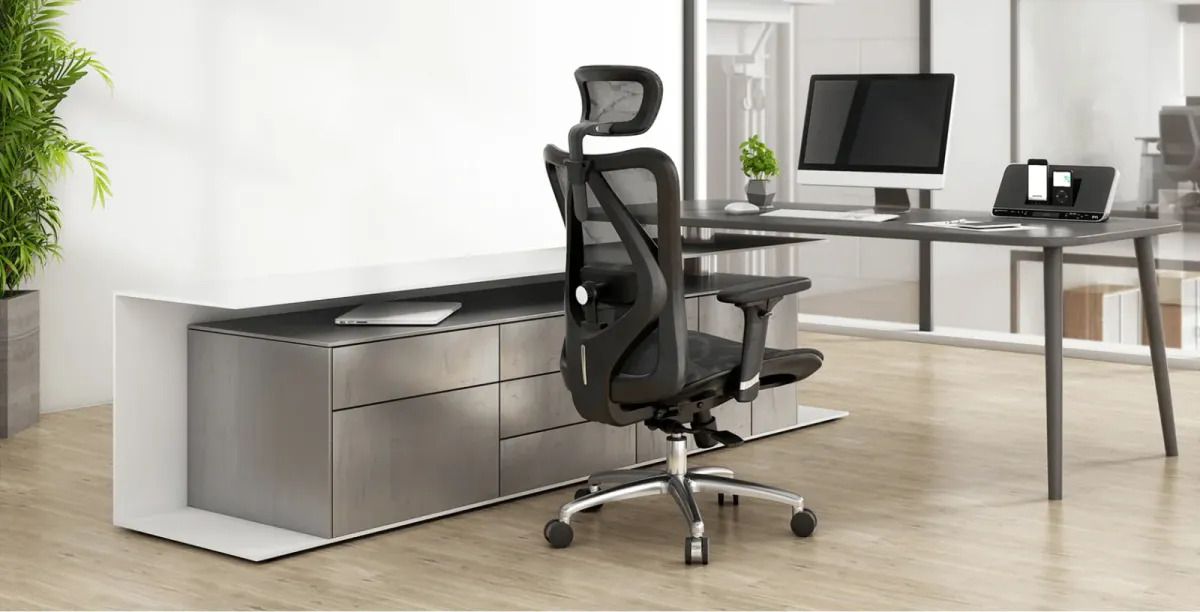
Sihoo has carved out a clear position in the crowded ergonomic chair market by focusing on one specific problem: most chairs support your back when you sit still, but the moment you shift, lean, or recline, that support disappears. The brand's lineup, which ranges from the entry-level M56C to the flagship Doro C300 Pro V2, is built around mechanisms that track your movement rather than lock you into a fixed position. The target buyer is anyone who logs serious hours at a desk, whether that's a remote worker, a student, or a creative professional who doesn't want to think about their chair.
Sihoo at a Glance
What We Liked
- Dynamic support systems (DynaCore, SyncroFlex, Anti-Gravity) that adjust as you move rather than holding a static position
- Broad fit range across models, accommodating users roughly from 4'11" to 6'3" depending on the chair
- BIFMA and SGS certified across the lineup, with a 3-year warranty on every chair
- Multiple price tiers mean buyers can choose how much adaptive technology they actually need
What Could Be Better
- The most advanced models add significant mechanical complexity, which may feel like overkill for users who primarily sit upright
- The M56C is only available in black, limiting options for buyers with specific workspace aesthetics
How Sihoo Thinks About Sitting
Most ergonomic chair brands compete on adjustability counts: how many directions the armrests move, how many lumbar positions are available. Sihoo does offer those numbers, but the more interesting design thread running through its catalog is the idea of synchronized movement. On the higher-end Doro models, components like the headrest, backrest, lumbar support, and armrests are engineered to work together rather than operate as independent levers. The philosophy is that a chair should follow you, not the other way around.
That thinking shows up differently at each price point. The M56C achieves it through a flexible lumbar panel and a conforming backrest. The Doro S300 adds an anti-gravity recline mechanism. The C300 Pro V2 layers in proprietary DynaCore and SyncroFlex systems that link every major support zone. It's a coherent product family rather than a scattered catalog, and the upgrades from one tier to the next are legible rather than arbitrary.
All five chairs covered here carry BIFMA and SGS certifications and come with a 3-year warranty covering manufacturing defects.
Doro C300 Pro V2 Ergonomic Office Chair
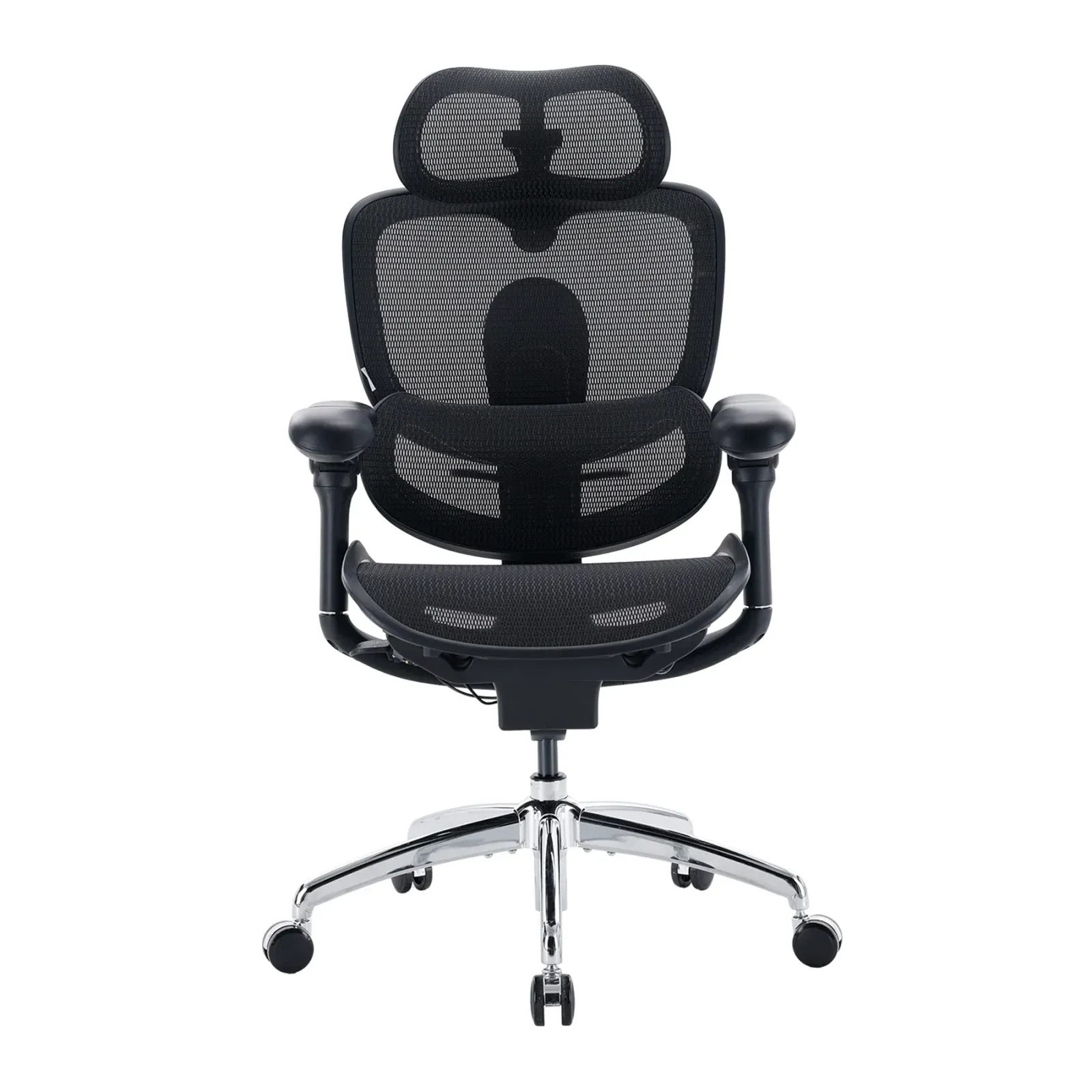
The C300 Pro V2 is Sihoo's most fully developed chair, and its key differentiator is the DynaCore system, which connects the headrest, backrest, lumbar support, and armrests so they move as a coordinated unit when you change positions. In practice, this means that leaning back doesn't just tilt the seat; it triggers a chain of adjustments across the whole chair. The SyncroFlex Back-Glide pairs with DynaCore by letting the backrest physically glide along your back as you recline, using a dual-track, dual-spring design to maintain contact rather than losing it the moment you shift.
The lumbar system here is called Domino 2.0, and it extends support from the lower back down to the sacrum, which is a meaningful difference from lumbar pads that only address the curve above your waist. The 8D armrests offer more positional range than the 6D units on the C300 Pro, and the ultra-wide 3D headrest accommodates a broader range of head positions. Seat depth adjusts by 1.6 inches to account for different leg lengths, and the chair is designed to fit users from 4'11" to 6'3". The Cloud Mesh 2.0 fabric is described as pressure-relieving and breathable, with weight-responsive recline rounding out a feature set that covers essentially every variable in seated comfort.
This chair also comes in a Footrest Version for buyers who want full-body recline support. It's available in black or white. If you're already comfortable with ergonomic chairs and know exactly what adjustments you use daily, the C300 Pro V2 is the model where Sihoo's engineering is most concentrated. If you're newer to this category, the complexity might be more than you need on day one.
Doro C300 Pro Ergonomic Office Chair
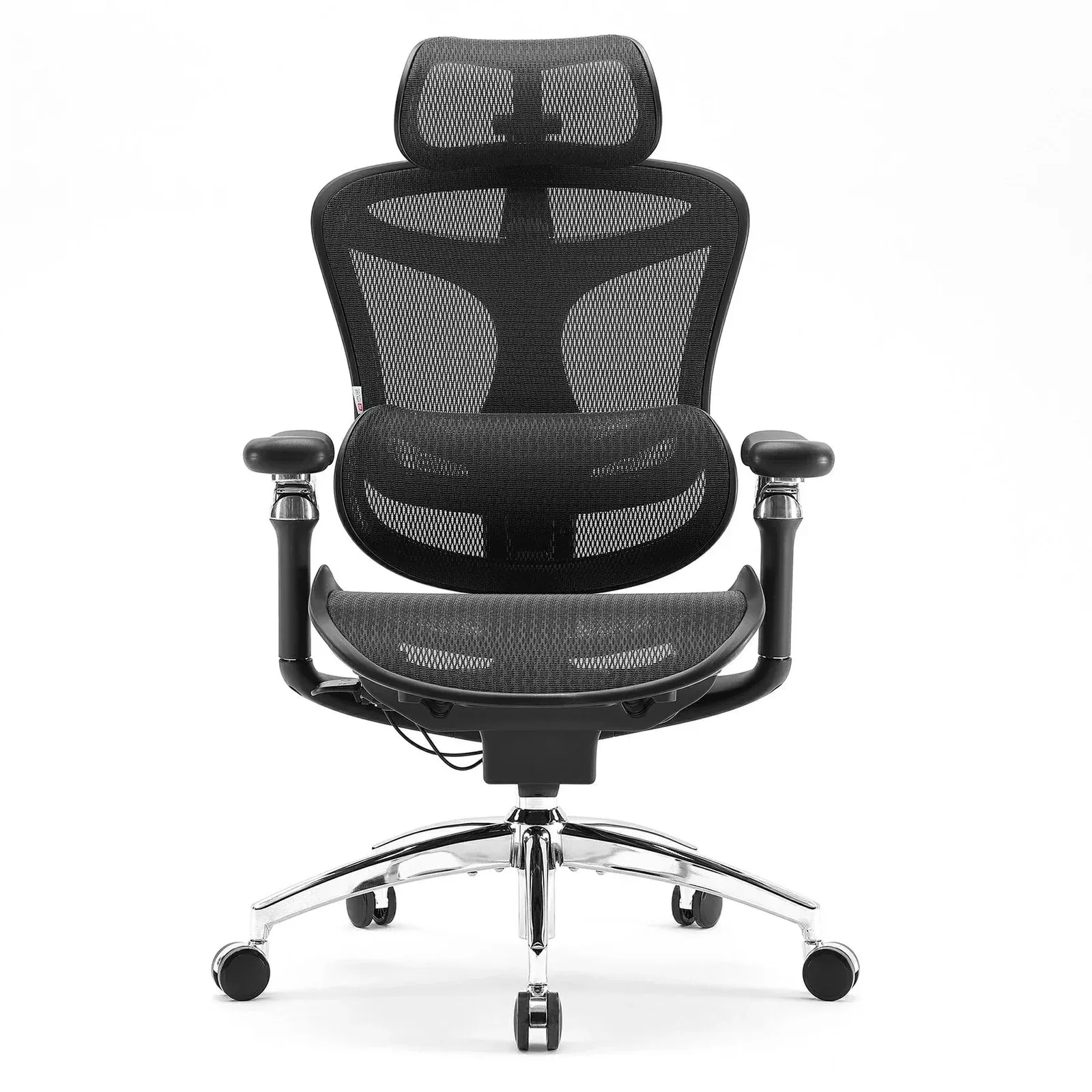
The C300 Pro sits one step below the V2 in Sihoo's lineup and remains one of the more capable chairs in the mid-tier ergonomic market. Its dynamic lumbar support automatically adjusts to your spine without requiring manual intervention between tasks, which is a practical advantage for people who move through different postures across a long workday. The backrest flexes to match your movements rather than holding a rigid shape, and seat depth is adjustable for a more dialed-in fit across different body proportions.
The armrests here are 6D rather than the 8D units on the V2, meaning slightly fewer positional combinations, but still covering the directions most people actually use: up/down, forward/back, in/out, and rotation. The chair supports up to 330 lbs and is designed for users from 5' to 6'3". It carries BIFMA and SGS certification and has been endorsed by outlets including The Gadgeteer and MMORPG. Like the V2, it comes in black or white and is available with a footrest option.
The C300 Pro is the right choice for buyers who want the Doro-line experience without the added mechanical complexity of the DynaCore and SyncroFlex systems. The lumbar support is still dynamic and the backrest still flexes, so the core promise of a chair that moves with you is intact. The V2 is the better fit for someone who wants every support zone linked together; the C300 Pro is better for someone who prefers a more familiar ergonomic chair with strong fundamentals.
M57 Ergonomic Office Chair
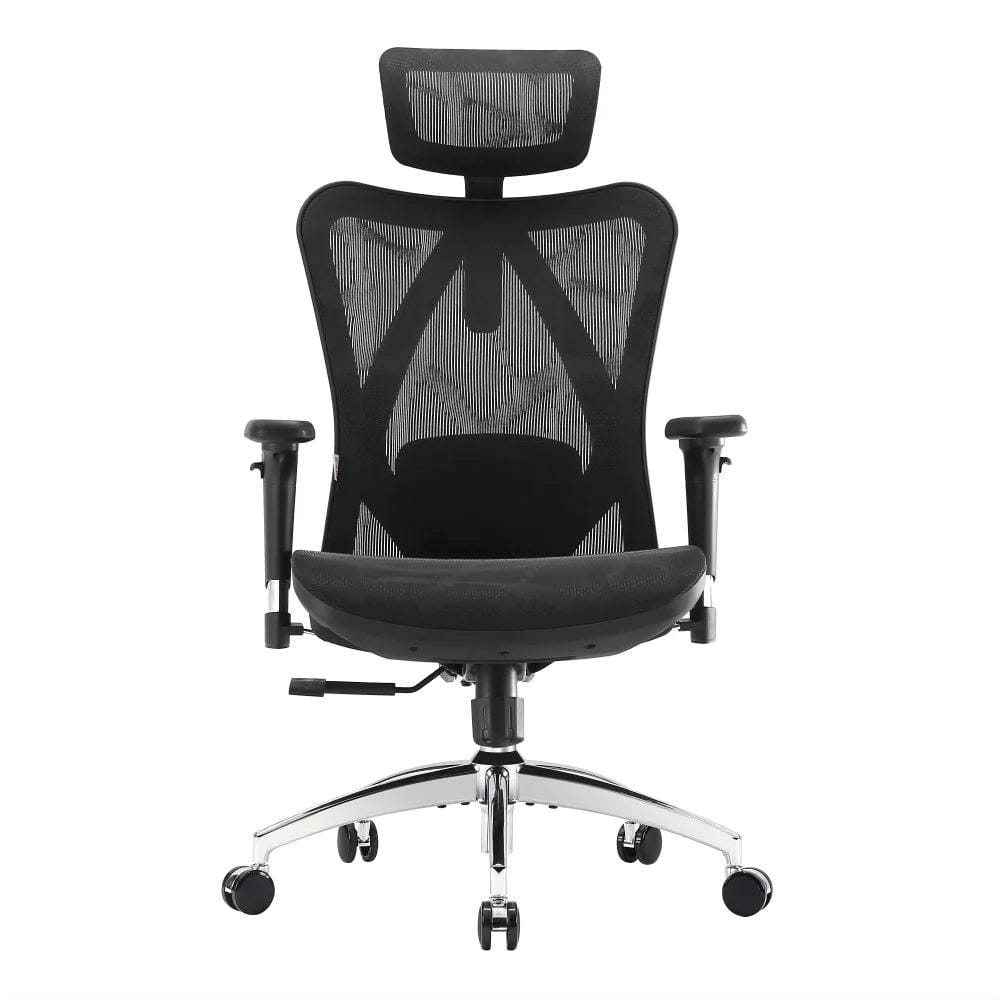
The M57 is where Sihoo's lineup becomes accessible to buyers who want solid ergonomic fundamentals without the proprietary systems of the Doro range. It's a full-mesh chair with a contoured backrest designed to follow the natural S-curve of the spine, 3D adjustable armrests, and a headrest that adjusts vertically up to 3.9 inches and rotates 45 degrees. Lumbar support adjusts both vertically and horizontally, which gives meaningful personalization even without a dynamic system. Recline goes to 126 degrees, which is enough to take a real break without sliding into full lounge territory.
The full-mesh construction is the M57's most practical feature for buyers in warmer climates or those who run warm. Unlike the Doro S300's hybrid mesh-and-velvet material, the M57 prioritizes airflow above texture. It supports up to 330 lbs and comes in black, gray, or white, giving it the widest color range of any chair in this group. It has been recognized by Creativebloq, TechRadar, and ExpertReviews as a strong budget-friendly option in the ergonomic category.
The M57 makes the most sense for buyers who are stepping up from a basic office chair and want genuine ergonomic adjustability without committing to a premium price. It doesn't have the synchronized movement systems of the Doro line, but the adjustments it does offer cover the fundamentals well. Buyers who already know they spend eight or more hours at a desk and have experienced back discomfort should probably look at the C300 Pro instead.
Doro S300 Ergonomic Office Chair
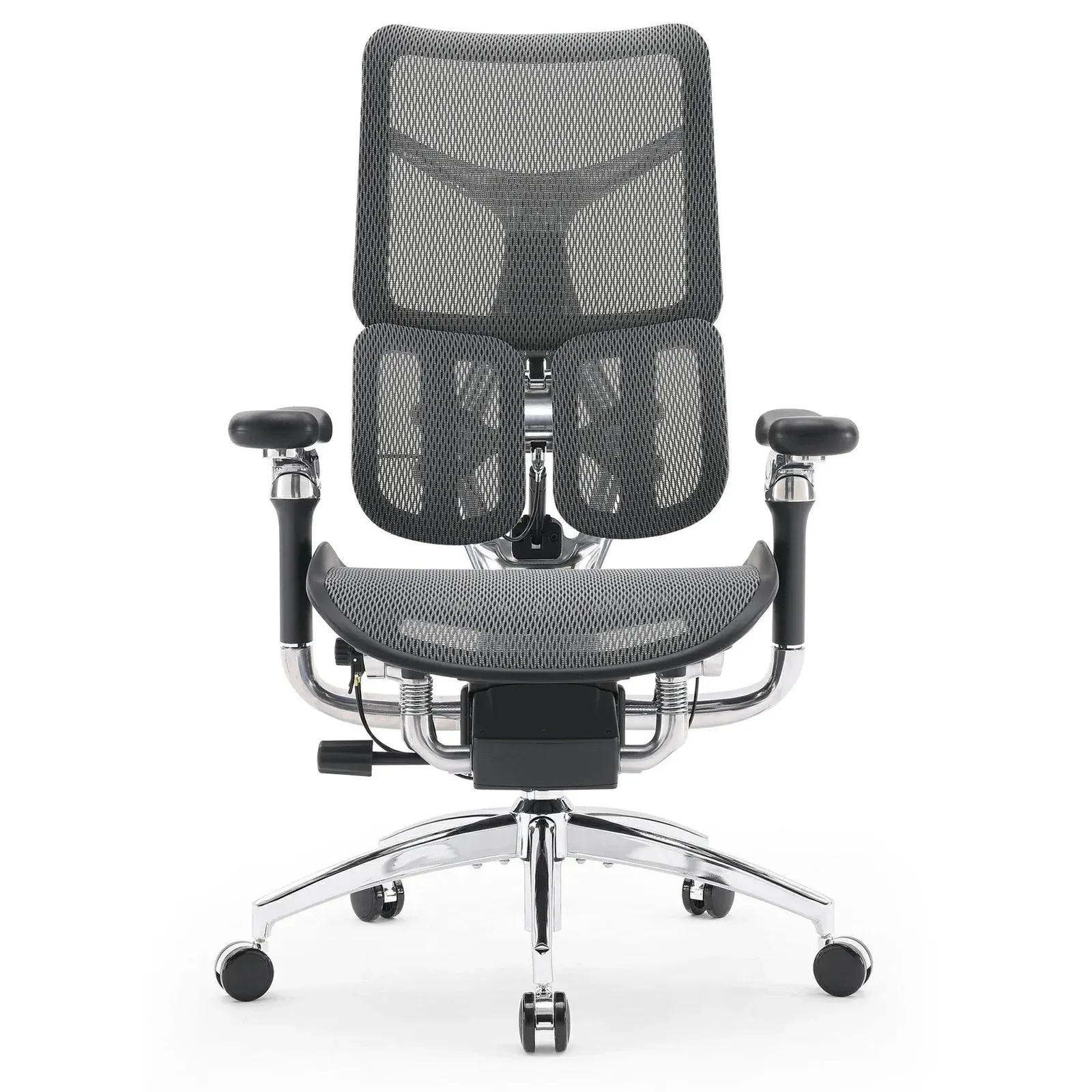
The S300 occupies an interesting position in Sihoo's catalog: it's technically part of the Doro line but takes a different approach than the C300 models. Its headline feature is a sixth-generation Anti-Gravity Mechanism, described as using aerospace-grade materials to minimize pressure on your body as you recline, creating a near-weightless lean-back experience. That's a specific benefit for people who use recline heavily, whether during video calls, reading, or breaks between focused work sessions.
The mesh here is a hybrid of Italian velvet and DuPont TPEE, which Sihoo describes as cloud-like in texture. It's a different material choice than the standard mesh on the M57, prioritizing softness alongside breathability. The S300 also uses dual dynamic lumbar support with two adjustable pads rather than a single unit, allowing both vertical and horizontal tuning. Armrests are 6D, the independent backrest adjusts in five levels, and the chair supports up to 330 lbs. It has received editorial recognition from Forbes, Tom's Guide, TechRadar, and Creativebloq, which reflects a broader audience than the gaming-adjacent outlets that often cover chairs in this category.
The S300 is the chair to consider if the anti-gravity recline experience is the priority and you want a premium material feel that goes beyond standard mesh. It's available in black or white. Buyers who spend most of their time sitting upright and rarely recline will get less value from its standout feature and might be better served by the C300 Pro's focus on dynamic support during active sitting.
M56C Dual-Back Ergonomic Office Chair
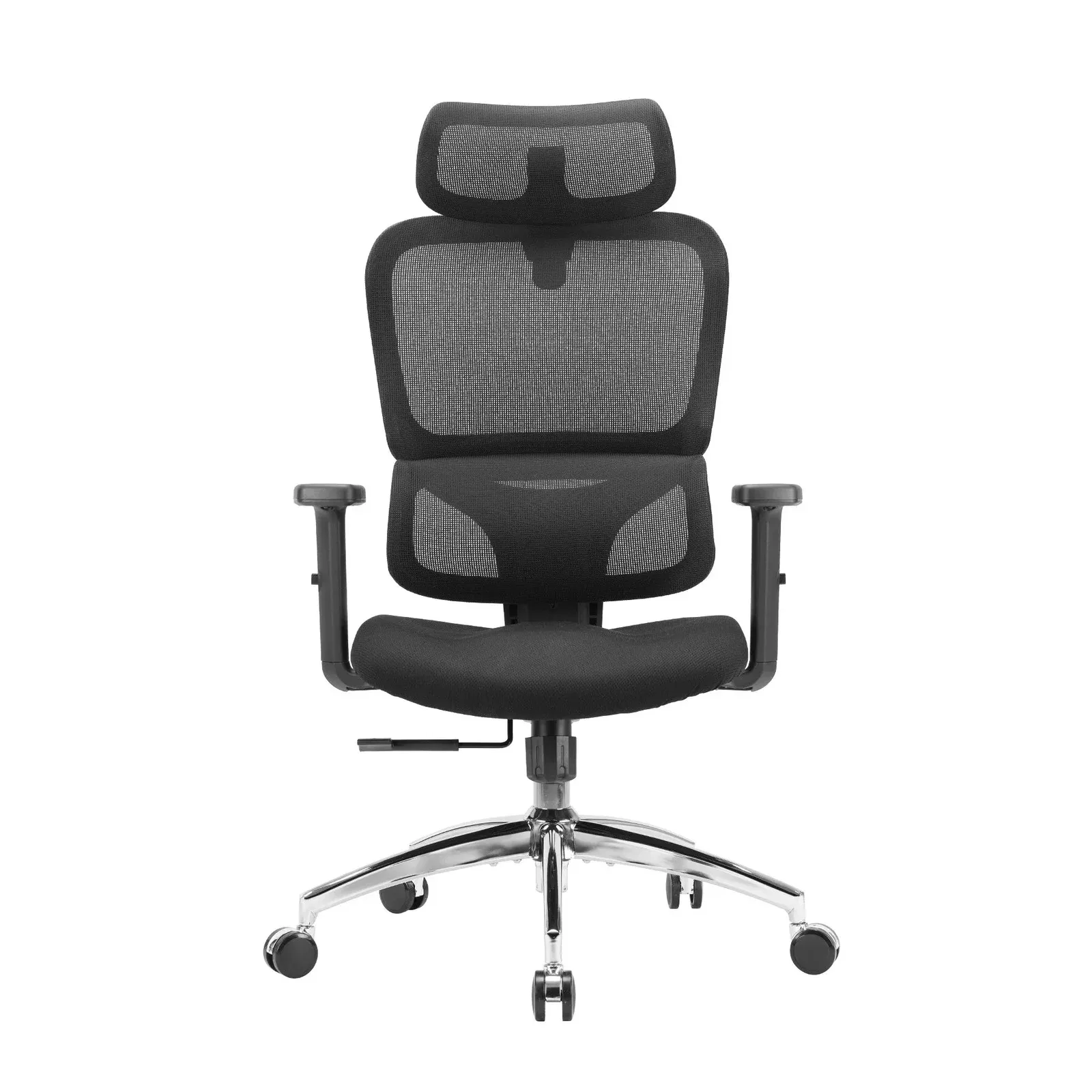
The M56C takes a structurally different approach from the rest of the Sihoo lineup. Its backrest is divided into two sections, creating what the brand calls a dual-back design that envelops the full back and conforms to a wider range of torso shapes. The lumbar panel is ultra-wide and flexible, moving with you rather than staying fixed, which delivers continuous lower-back contact across different seated positions. The seat cushion follows a W-shaped foam design intended to cradle the hips and thighs and distribute pressure evenly rather than concentrating it at the sit bones.
The armrests use wider PU padding rather than the harder plastic surfaces common at this price point, and they adjust up and down to reduce shoulder and wrist strain. The headrest is spacious and curved, adjusting vertically and tilting to support the neck even when you lean slightly to the side. Recline goes to 125 degrees. The M56C supports up to 300 lbs, which is the lowest weight capacity in this group, and it's only available in black.
The M56C is the entry point into the Sihoo catalog and the right fit for buyers who want full-back coverage and a cushioned seat rather than a pure mesh experience. The dual-back design and W-shaped cushion make it particularly suited to people who find standard ergonomic chairs too narrow or too firm. The 300 lb weight limit and single color option are the main constraints to check before buying.
Which Sihoo Chair Fits Your Situation
The honest way to navigate this lineup is to start with how you actually sit. If you shift positions constantly and want the chair to follow every change without manual adjustment, the C300 Pro V2 is where Sihoo's engineering is most concentrated. If you recline frequently and want that motion to feel supported rather than effortful, the S300's anti-gravity mechanism is the specific feature worth paying for. The C300 Pro is the middle path: strong dynamic support without the full complexity of the V2.
For buyers who are newer to ergonomic chairs or working with a tighter budget, the M57 covers the adjustable fundamentals in a full-mesh package that has earned recognition from credible tech publications. The M56C is the choice for anyone who prioritizes a cushioned seat and full-back envelopment over the mesh-first approach that defines most of the lineup. All five chairs carry the same 3-year warranty, so the decision comes down to features and fit rather than confidence in long-term support.
Vetted Verdict
Buyers who spend most of their waking hours at a desk and have grown frustrated with chairs that only support them in one fixed posture will find Sihoo's approach directly relevant. The brand's strongest models, particularly the Doro line, are built around the idea that support should follow movement rather than resist it, and the mechanical systems behind that idea are more developed than what you typically find at comparable price points. Casual users who sit for a few hours a day and don't experience back discomfort may find the feature depth unnecessary. But for remote workers, creatives, and anyone who has already tried a budget chair and found it lacking, Sihoo sits clearly above mass-market alternatives without reaching the price ceiling of brands like Herman Miller or Steelcase.