Jugbow Remote Training Collar

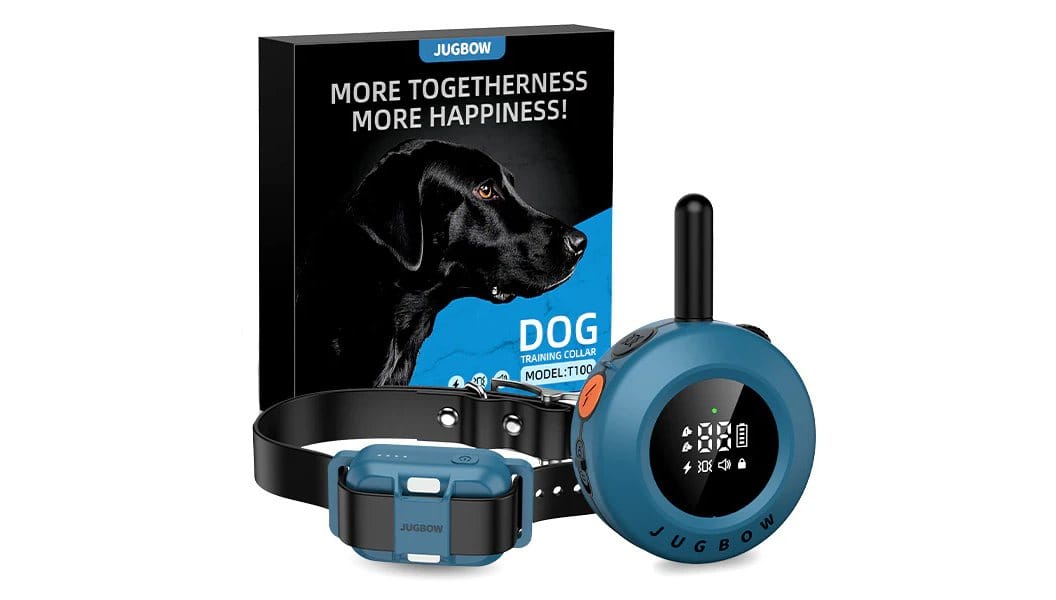
Jugbow's remote training collars are safe and effective and can help you train your dog to be everything it can be. They are built around recall, barking control, boundaries, and clearer communication at a distance. Either of these models in this review are capable of training your dog effectively with the proper support, and in this review we will dive into the differences between the two offerings.
Effectiveness
The real value of a remote training collar is timing. That often becomes the struggle once the leash comes off or distractions start coming up. With the collar, a handler can mark a cue at the exact moment the dog checks out, drifts too far, or blows off recall. Used well, that can tighten communication in a way that voice alone often cannot match outdoors.
The owner feedback around these models points to the same pattern again and again. People use the collars to train recall, barking, jumping, boundary work, and cutting down on leash tension. Just as important, many owners say the beep or vibration functions end up carrying most of the work once the dog understands the cue. These collars are great training aids that support structure and reward based work, not as shortcuts. Training requires consistency and time, but these collars help reduce the time factor.
Jugbow T100
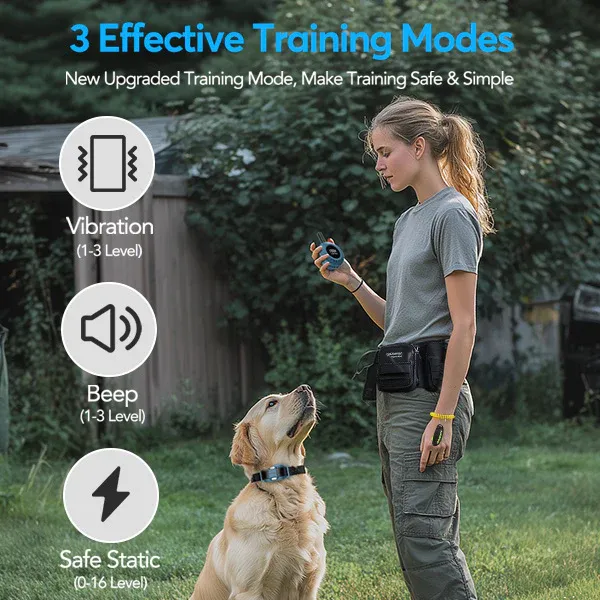
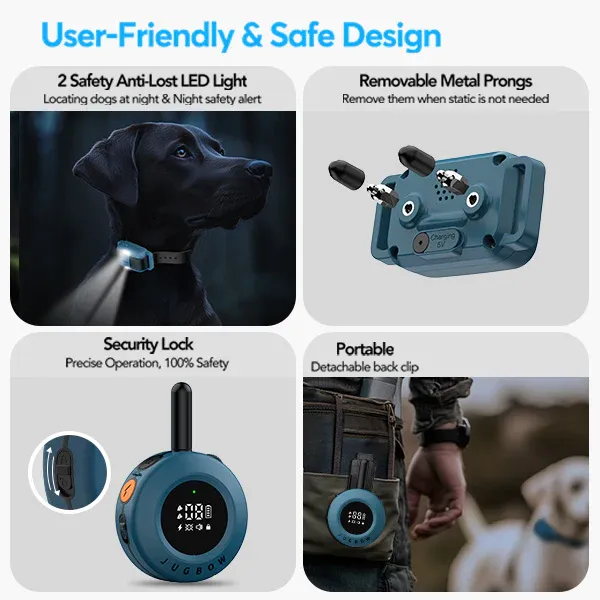
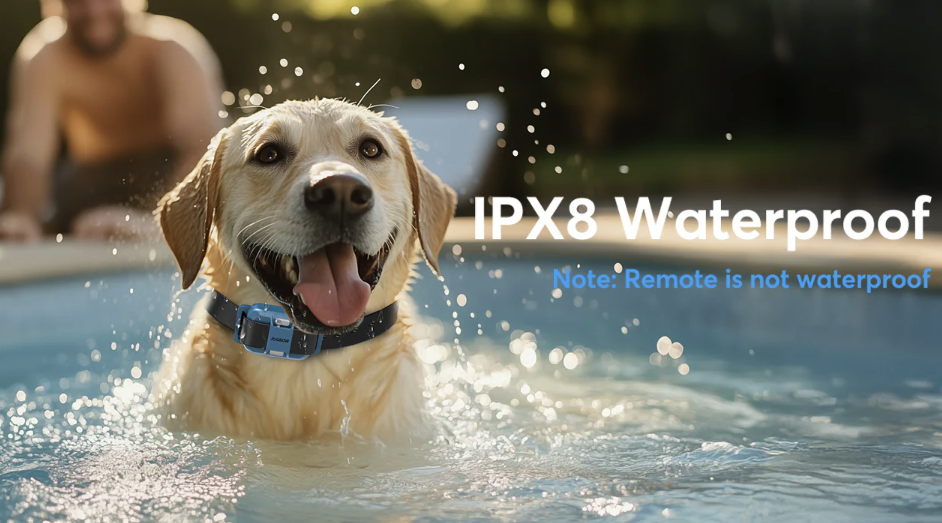
The T100 has a feature called SkinSafe Pulse, which Jugbow presents as a safe and gentle form of static communication. It provides the options of beeping, vibration, and static. The range is generous for training, the receiver is waterproof, and the remote supports two dogs. It also charges by USB-C and promises long standby life, so you don't have to charge it every time you leave it unused for a few days.
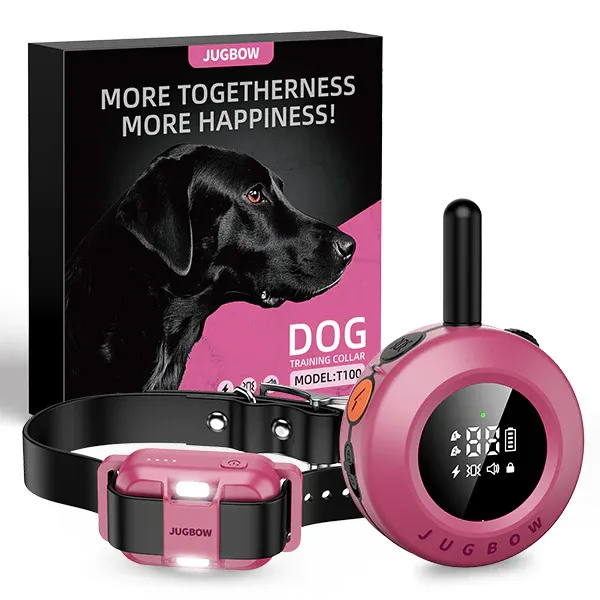
Where the T100 separates itself is in the details. The receiver includes dual LED night lights, which is a genuinely useful touch for evening walks and dark yard sessions. Jugbow also includes short and long contact points plus silicone covers, which helps with comfort. Color options on this model are clean and simple, with blue and pink versions that give it a friendlier look than a lot of hard edged training gear.
T100 Strengths
I would steer the T100 toward first time remote collar buyers, owners with sensitive dogs, and households that do a lot of training after sunset. It offers quick response, great visibility at night, and a waterproof build. It is also nice to be able to revert to training with beeps and vibrations. This is a newer model than the DT-61 so it doesn't have as many customer reviews to back it up yet, but the reviews that are out there are overwhelmingly positive.
Jugbow DT-61
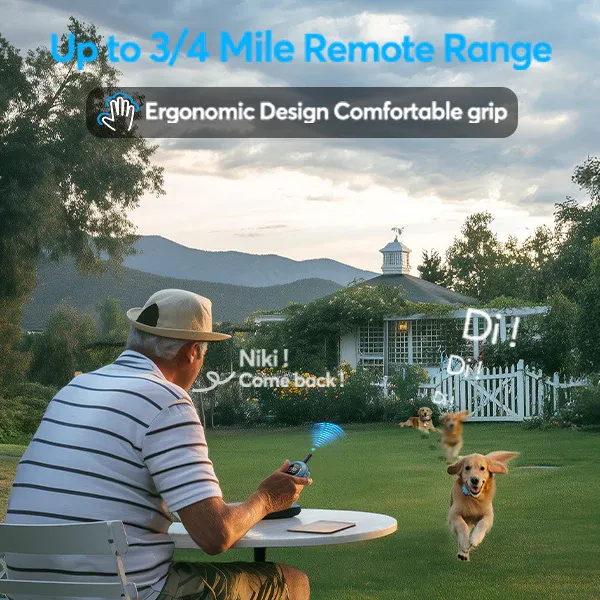
The DT-61 is the original and functions more like other similar collars you can find on the market. This collar is built for regular obedience reps, yard training, and recall proofing. The receiver is compact and waterproof. The fit range of the collar covers a wide spread of dogs, and the remote supports two dogs as well. Jugbow also offers this one in more colors including green, pink, cyan blue, dark blue, and yellow, which gives people a little more room to match taste and style. The big appeal of the DT-61 is control range. Compared with the T100, this one has a more traditional remote collar feel with a broader static adjustment scale.
DT-61 Strengths
The DT-61 is the one I would put in front of owners who already know they want a conventional remote training tool. It feels ready for daily yard work, repeated recall practice, and structured obedience sessions where the handler wants plenty of adjustment room.
The comments around this model tend to praise range, fit, response time, and the compact receiver. Owners also seem to like that it settles into a routine quickly once the dog understands the cue system. The small caution I would mention with care is that one recurring note points to buttons being easy to press if the remote gets crowded in a pocket or pressed against something. It is not a deal breaker, but it is worth knowing.
T100 vs DT-61
Side by side, the T100 is the collar I would describe as gentler in feel and easier to introduce. Its SkinSafe Pulse, LED visibility, silicone covered contact points, and the more restrained static ladder all pull it toward owners who want confidence without a hard edge.
The DT-61 is the more traditional trainer. It offers a wider correction range, a more established stream of owner feedback, a smaller receiver, and a straightforward everyday feel that many handlers will trust right away. This is the one I would lean toward for buyers who already understand how they want to train.
I would want the T100 for a cautious owner, a softer dog, a long-coated dog, or a household that trains in low light often. It also makes sense for buyers who want the collar to feel a little more modern and a little less stern. The lighting alone gives it a useful edge for evening outings, and the whole package reads as easier to embrace for someone new to this category.
I would want the DT 61 for an owner who values a classic remote layout, broader correction tuning, and a stronger stack of owner proof. It feels especially well suited to routine recall work, backyard structure, and handlers who want a no fuss training tool that gets to the point. In short, T100 feels more comfort led and DT-61 feels more utility led.
Vetted Verdict
Either of these collars would be a good buy. The T100 is gentler and more polished. The DT-61 is more traditional and more established. The choice comes down to temperament, training style, and comfort level. The T100 is easier to recommend to first time buyers or owners who want a softer start. The DT-61 is easier to recommend to owners who want a classic remote trainer with a wider tuning range and a deeper base of owner feedback. Both help provide clearer timing, steadier recall, calmer barking control, and better communication once the dog knows the cue.