SIRUI: Lenses Built for Filmmakers Who Move Fast
SIRUI makes cinema lenses, tripods, and lights aimed at independent filmmakers who want professional-grade optics without renting a truck to carry them.

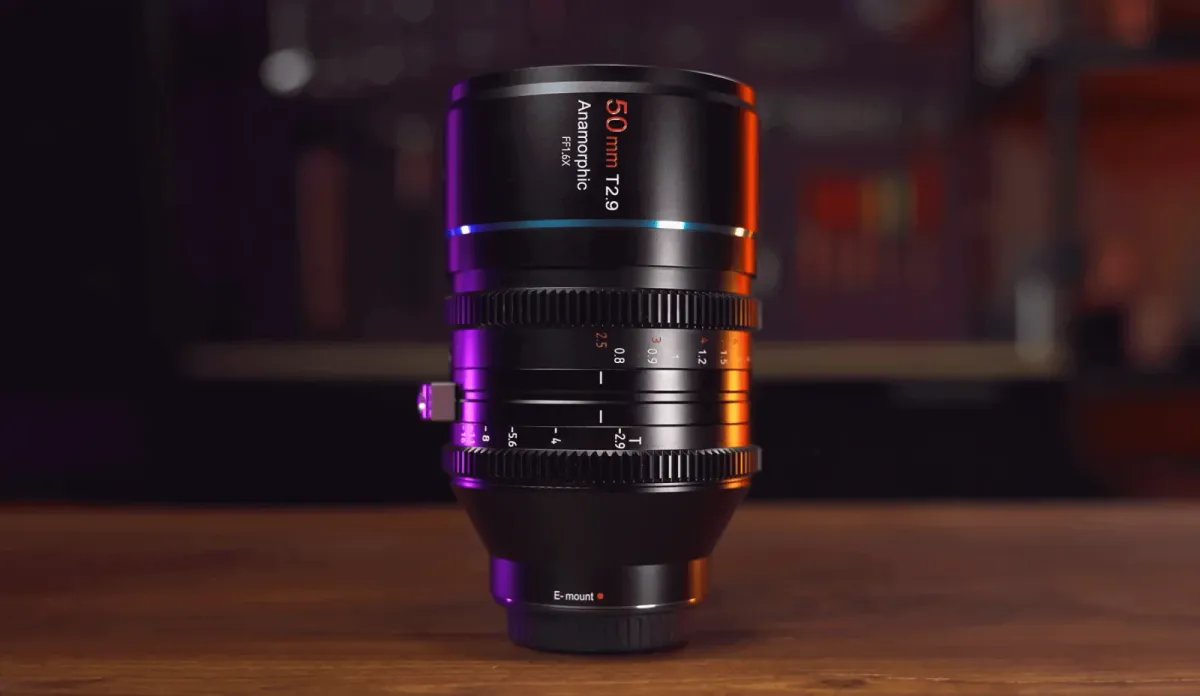
SIRUI has spent the better part of two decades carving out a specific niche: optical and support gear that independent filmmakers and hybrid shooters can actually afford, carry, and use without a full crew. The catalog spans cinema prime lenses (including a notable run of anamorphic series), video tripods, and compact LED lighting, all aimed at the creator who needs professional results on a run-and-gun budget. If your reference point is Cooke or Zeiss, SIRUI sits well below that ceiling in price while aiming considerably above the kit-lens floor in optical character.
SIRUI at a Glance
What We Liked
- Wide range of cine primes across anamorphic and spherical formats
- Consistent color matching across lens series makes kit-building practical
- Lightweight construction that doesn't sacrifice optical performance
- Gear designed with run-and-gun filmmakers in mind, from pocket lights to one-step tripods
What Could Be Better
- Product lineup skews toward video and cinema; dedicated still photographers have fewer options
- Some series are S35 format only, which limits full-frame shooters to specific product lines
How SIRUI Thinks About a Filmmaker's Kit
The thread connecting everything SIRUI makes is portability without optical compromise. That philosophy shows up in the lens lineup most clearly: multiple series, each with consistent color rendering and matched focus ring positions across focal lengths, so you can cut between a 35mm and a 75mm without a color grade headache. It shows up in the tripod line with patented one-step height adjustment designed for operators who need to reframe quickly. And it shows up in the lighting range with a 150W unit that fits in a jacket pocket. SIRUI is not trying to outfit a Hollywood stage; it is trying to outfit the solo filmmaker shooting a documentary in a narrow alley at midnight. That focus gives the catalog a coherence that broader camera accessory brands often lack. The tradeoff is that if you shoot primarily stills or need medium-format coverage, the lineup is thinner.
SIRUI Night Walker T1.2 S35 Frame Cine Lens Series
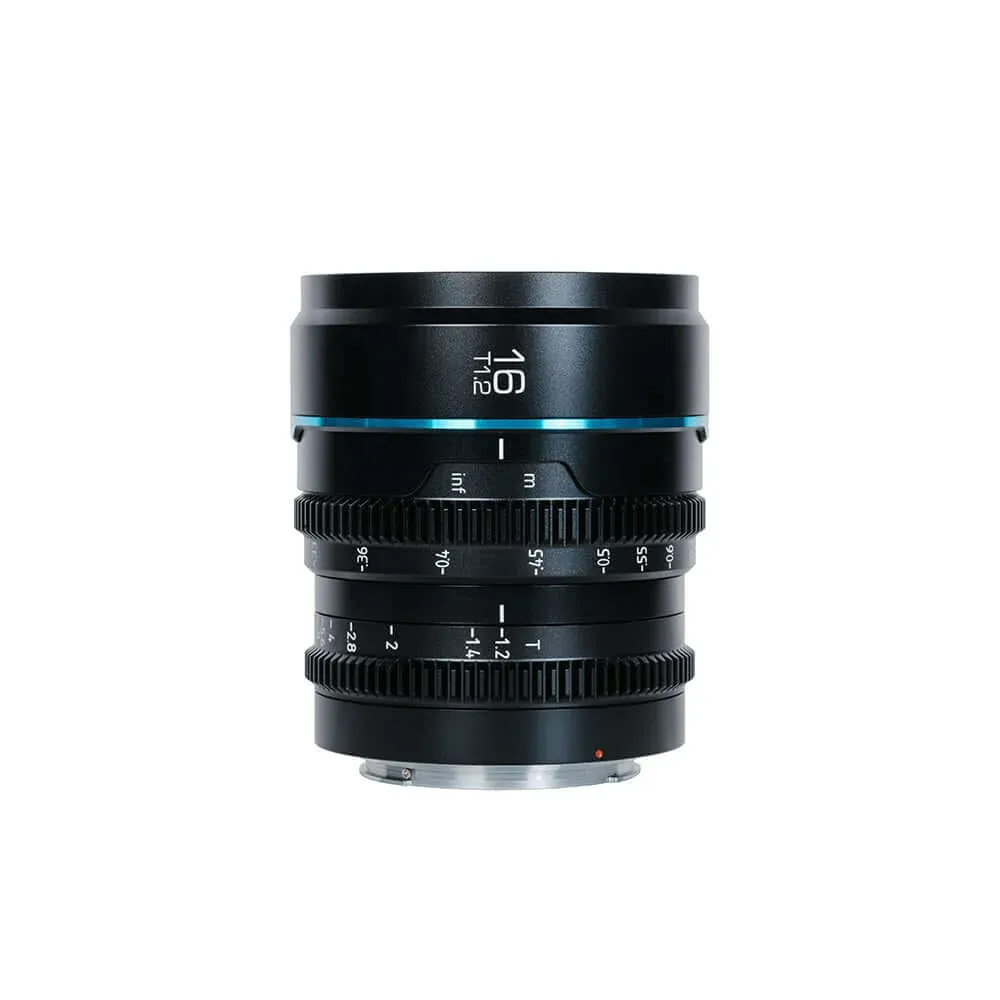
The Night Walker series is SIRUI's answer to a specific problem: how do you shoot in low light without hammering your ISO or dragging around a lighting kit? The T1.2 aperture across the full series (16mm, 24mm, 35mm, 55mm, and 75mm) is the headline, and it is a meaningful one. At T1.2 you are pulling in roughly twice the light of a T1.7 lens, which in practice means usable footage at ISO settings that would otherwise produce noisy, unusable images. The lenses cover the S35 format, which pairs naturally with cinema cameras from Sony, BMPCC, and similar bodies. Available in E, MFT, RF, X, and L mounts, the series covers most working camera platforms.
What makes the Night Walker more than a spec sheet is the optical construction behind the aperture number. The 16mm and 75mm additions use aspherical elements and ED glass to manage the chromatic aberration and focus shift that fast lenses typically struggle with. The 24mm, 35mm, and 55mm rely on high-refractive-index glass and, in the case of the 35mm and 55mm, ED elements for controlled aberration. SIRUI's product page notes that each lens in the series weighs under 600g, which matters when you are hand-holding for extended periods or mounting on a gimbal.
The stepless aperture ring is a practical detail that separates cine lenses from photo lenses: smooth, clickless aperture changes let you ride exposure during a shot without the stepped jumps that photograph-oriented glass produces. The Night Walker also carries a minimal focus-breathing specification, which keeps your composition stable as you pull focus. For a shooter building a matched set of fast primes without spending what a single Leica Summicron costs, the Night Walker series is a coherent starting point.
SIRUI Venus T2.9 1.6x Full-Frame Anamorphic Lens
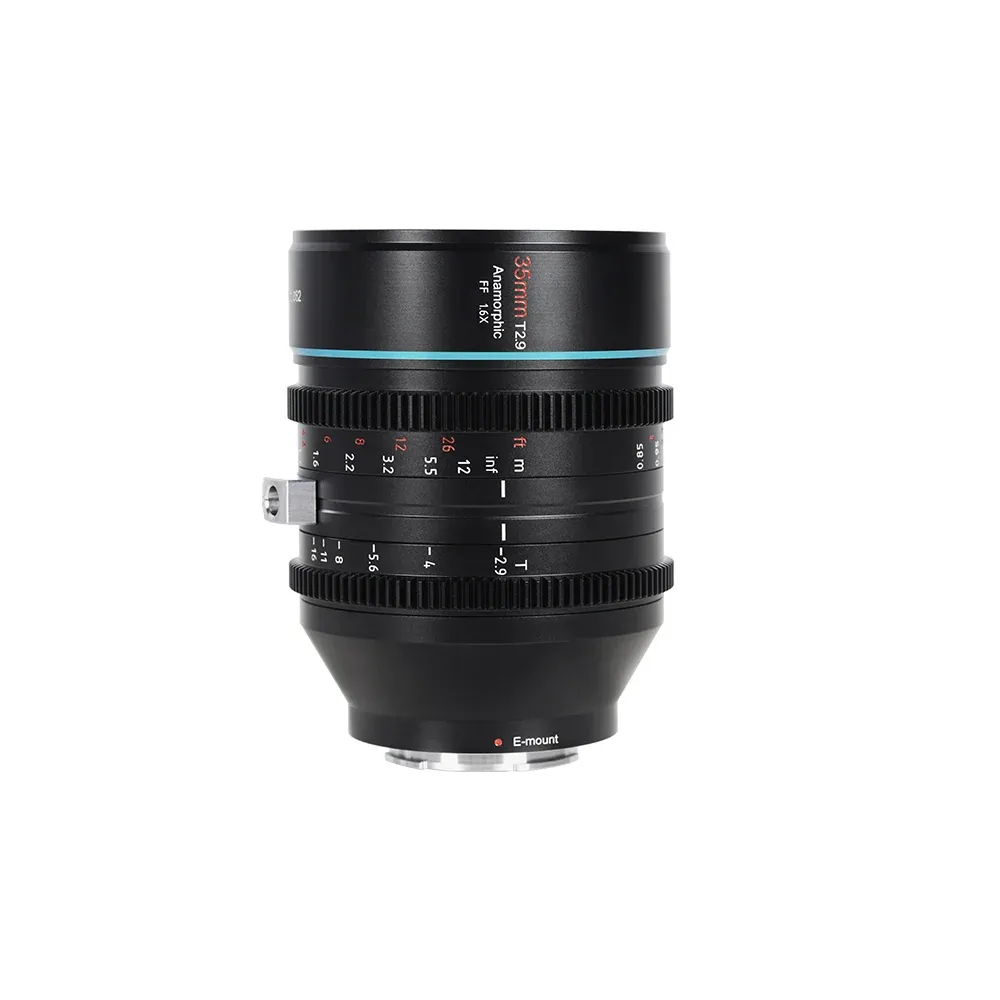
Anamorphic lenses have a reputation for being expensive, heavy, and fussy. The Venus series is SIRUI's argument that at least two of those three adjectives are negotiable. The set covers six focal lengths (35mm through 150mm, with a 1.25x anamorphic adapter available as an add-on), all in a 1.6x squeeze ratio that has become the practical standard for cameras and monitors with built-in de-squeeze modes. Mounts include E, L, Z, and RF, targeting Sony, Leica/Panasonic/Sigma, Nikon, and Canon full-frame bodies.
The visual character the Venus delivers is what anamorphic shooters are actually buying: horizontal blue lens flares when a light source hits the front element, stretched oval bokeh in the background, and that characteristic compressed rendering that makes footage look like it was shot on something considerably more expensive. The 135mm member of the set bumps the squeeze to 1.8x, producing a more pronounced anamorphic look than its siblings, which SIRUI notes makes it particularly effective for close-up portraiture. The full-frame coverage across the series (except the 135mm, which requires a slight crop to hit the published aspect ratios) means you are not giving up sensor real estate to use anamorphic glass.
At T2.9 the Venus is not a low-light specialist the way the Night Walker is, but anamorphic cinematography rarely prioritizes maximum aperture over optical character. The consistent color matching across the set means that intercutting a wide 35mm shot with a compressed 100mm portrait should not require a separate color pass to match the two. For independent filmmakers who want the cinematic widescreen look without renting glass, the Venus series is a practical entry point.
SIRUI C150X 150W Handheld Pocket Light
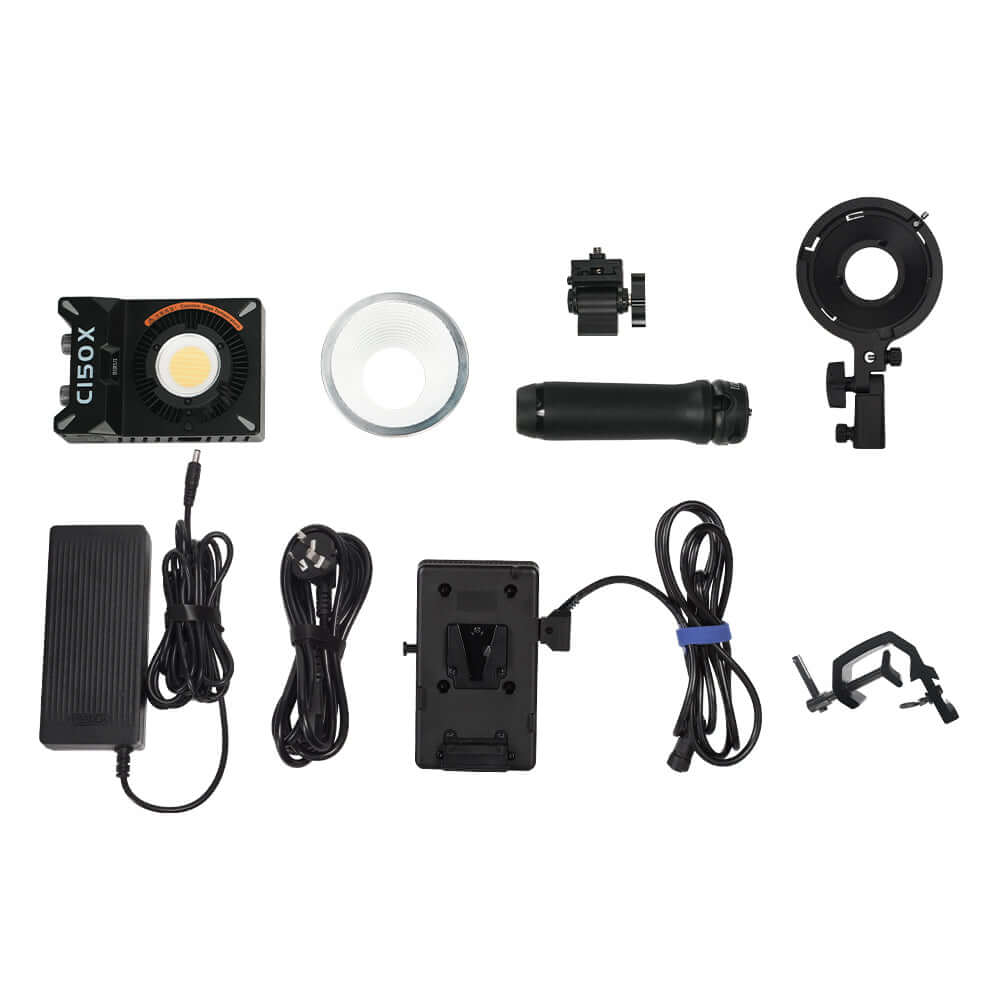
The C150X is the kind of product that sounds implausible until you look at the specs. A constant 150W output from a unit that weighs 450g and fits in a pocket is a meaningful engineering achievement for location work. SIRUI's laboratory data puts bare-light illuminance at 5,310 lux at one meter, and the included reflector focuses that output to approximately 24,000 lux at the same distance, a roughly 4.5x increase. For a run-and-gun shooter who needs a reliable fill source without a lighting cart, those numbers represent genuine flexibility.
Four power supply methods give the C150X its location-friendly character. You can run it from a DC adapter (with a 4m output cable long enough to hang the light overhead), a V-mount battery plate (sold separately), a PD Type-C cable, or a PD power bank rated at 30W or higher. That last option means a high-capacity laptop charger or a travel power bank can keep the light running, which is a practical advantage in situations where V-mount batteries are not part of the kit. The included tilt head, handle, and reflector cover the basic setup without additional purchases, and a Bowens mount adapter is available for photographers who want to use their existing modifier collection.
The C150X is a focused tool rather than a studio workhorse. At 150W it is not replacing a 1K Fresnel on a feature film set, but for interviews, documentary work, and content creation in tight spaces, the combination of output, portability, and flexible power makes it a strong supporting piece in a compact kit.
SIRUI AURORA 85mm F1.4 Full-Frame Autofocus Lens
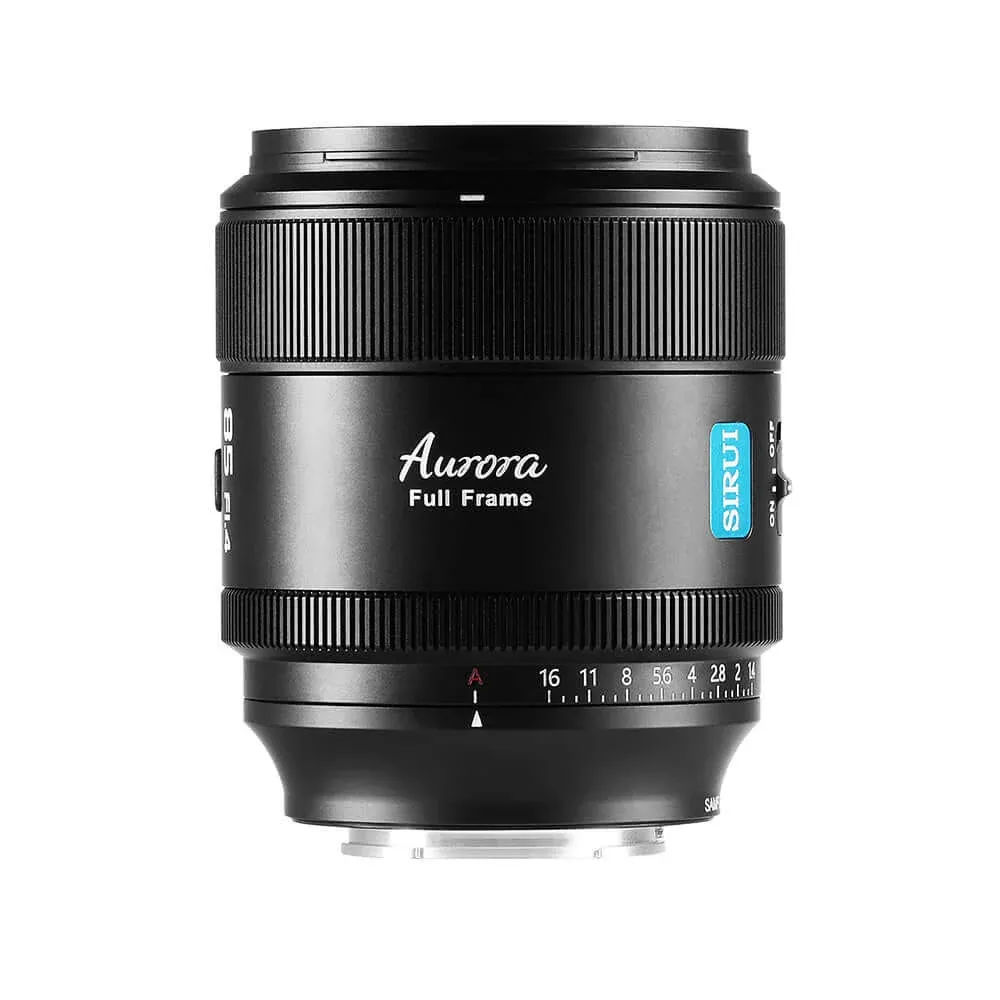
The Aurora 85mm represents SIRUI stepping more deliberately into the photography market, and the product page signals that clearly: this is a lens designed for both stills and video, not a cinema prime adapted for hybrid use. The F1.4 aperture on a full-frame 85mm is a classic portrait combination, and the built-in STM motor supports eye autofocus and subject tracking, features that matter to photographers shooting events, portraits, and street work where manual focus pulling is not practical.
At F1.4 the depth of field is shallow enough to isolate a subject cleanly against a blurred background, and the 85mm focal length provides the compression that portrait photographers have relied on for decades. SIRUI's product page quotes community reviewers noting the sharpness and color rendering alongside the autofocus and bokeh performance, covering both the stills and video use cases the lens targets. Available in E, Z, L, and X mounts, it reaches Sony, Nikon, Leica/Panasonic/Sigma, and Fujifilm full-frame and APS-C shooters.
The Aurora 85mm is the clearest signal that SIRUI is building toward a hybrid ecosystem rather than staying purely in the cinema lane. For a photographer who already uses SIRUI cinema glass for video work, the Aurora offers a logical bridge: matched color rendering, a familiar handling philosophy, and autofocus capability that manual cine primes cannot provide. It is positioned well below the Sigma Art and Sony G Master tier in price while targeting a similar performance bracket.
SIRUI SQ75 Carbon Fiber Video Tripod Kit
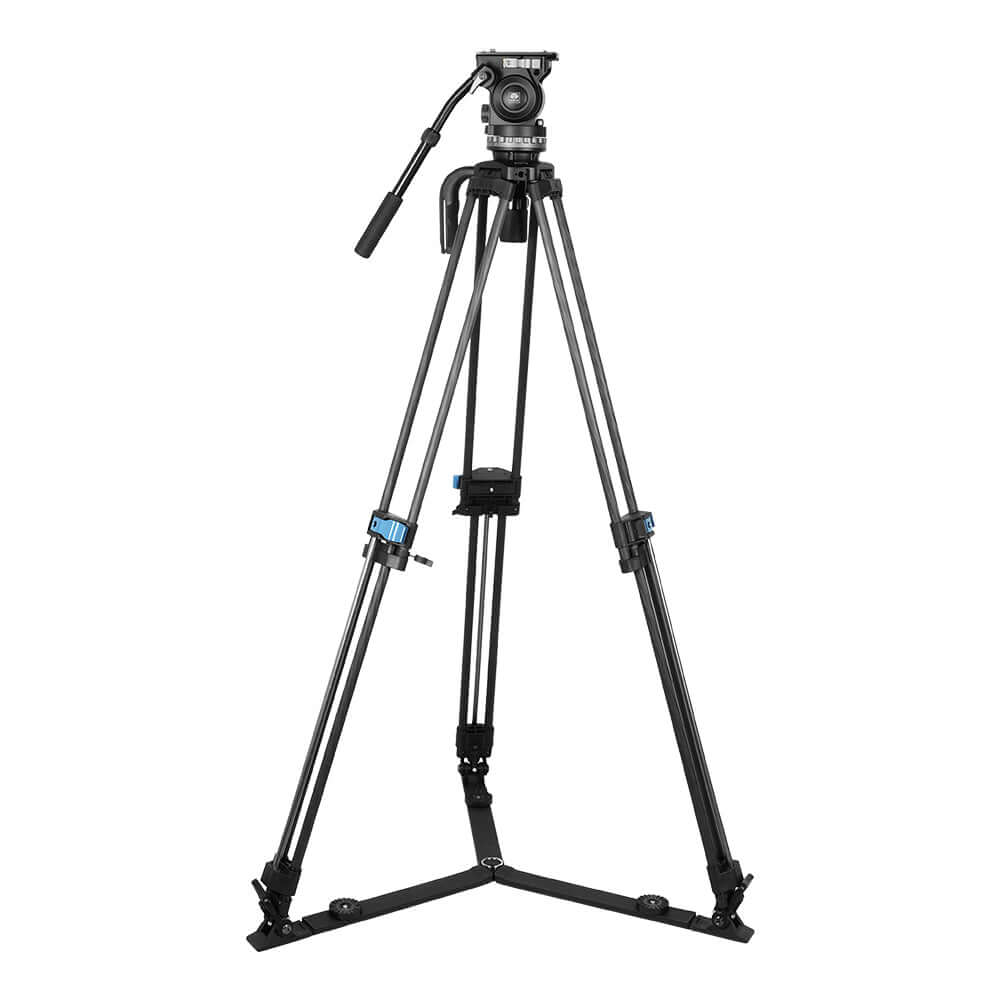
A tripod is easy to underestimate until a bad one costs you a shot. The SQ75 is built around SIRUI's patented one-step height adjustment: open a single flip lock, extend or retract all leg sections simultaneously, lock it again. On a busy set or in a fast-moving documentary situation, that single-action adjustment is meaningfully faster than twisting individual leg collars. The carbon fiber twin-leg tube runs 16mm in diameter and carries an 18kg load rating (per SIRUI's product page), which covers most professional cinema camera configurations including heavier rigs.
The included VHS-10 fluid head brings seven-step counterbalance and 3+0 damping adjustment to the kit. Counterbalance matters when you are tilting a weighted camera: without it, the head either fights you going up or drops away from you going down. Seven steps of adjustment means you can dial in the right resistance for cameras ranging from a mirrorless body to a heavier cinema rig. The side-loading quick release plate and ARRI-standard mounting strap round out a package that is clearly designed by people who have spent time on actual sets rather than just in engineering labs.
The ground spreader and integrated horseshoe feet add stability on uneven surfaces, and the metal spike option suits outdoor locations where a flat foot would shift. At a retracted height of 920mm the SQ75 packs down to a manageable carry length, though at this class of tripod you are not pretending it fits in an overhead bin. It is the right tool for a shooter who moves between locations but needs genuine stability at each one.
Which SIRUI Product Fits Your Kit
The Night Walker series suits shooters who prioritize low-light performance and need a matched set of fast primes for S35 cameras. The Venus anamorphic set is for filmmakers chasing the widescreen cinematic look on full-frame bodies, where the visual character of the glass matters as much as the aperture number. The Aurora 85mm fills a different role entirely: a hybrid autofocus lens for photographers and videographers who need reliable tracking alongside strong optical performance. The C150X makes most sense as a portable supplement to an existing lighting setup, particularly for location work where power access is unpredictable. The SQ75 is the infrastructure piece, the support that the rest of the kit sits on.
Vetted Verdict
Filmmakers and hybrid creators who want a coherent, matched kit built around cinematic optics will find SIRUI's lineup unusually well-considered for the price tier it occupies. The anamorphic series in particular (both the Venus and the Saturn line visible on the brand's homepage) represents a genuine alternative to renting glass for independent productions. Where SIRUI is less compelling is for pure stills photographers who have no video ambitions: the catalog is built lens-first for moving image work, and the Aurora series is still developing. If you are outfitting a run-and-gun documentary kit, a narrative short, or a hybrid setup that moves between photo and video, SIRUI deserves serious consideration over the mass-market alternatives.